Technology is often associated with complexity, but in the world of social care it is the simplest tools that can make the biggest difference. For people with disabilities, small devices, assistive tools and digital solutions can create new possibilities for communication, independence and connection. At Projekti Shpresa, technology is not treated as a luxury – it is embraced as a bridge that helps each person express themselves, take part in daily life and feel included in the modern world.
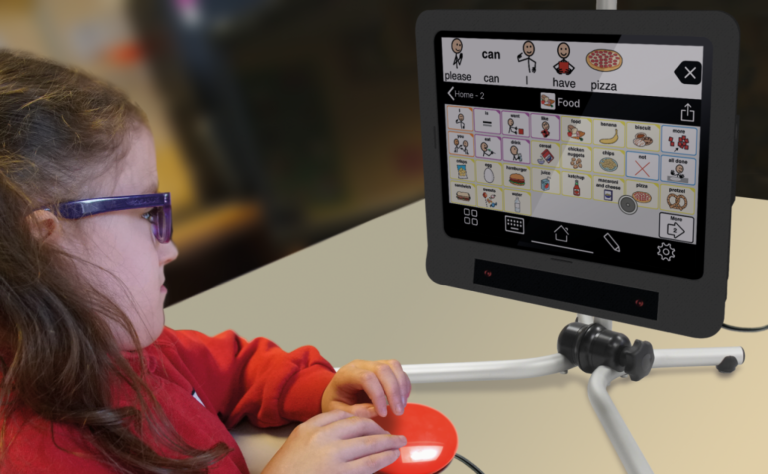
Many of the people we support rely on communication tools to express their needs, preferences and emotions. Sometimes this is as straightforward as a picture-based communication board that helps someone choose an activity or ask for help. In other cases, tablets with accessibility features allow users to speak through apps, follow routines visually or enjoy music and storytelling. These small interventions reduce frustration, increase autonomy and help build more meaningful relationships with caregivers and peers.
Assistive devices also play an important role in supporting daily tasks. Adaptive cutlery, specialized chairs, sensory tools, and easy-grip objects allow residents to take part in meals, workshops or recreational activities with greater comfort and safety. What seems like a small improvement often turns into a big emotional change: being able to eat independently, participate in a creative activity or move more freely contributes to confidence and dignity.
Digital inclusion is another essential aspect of our work. Technology is a part of everyday life everywhere, and people with disabilities deserve the same access. Whether they explore simple educational apps, listen to music, watch videos, learn new skills, or connect with family through video calls, digital tools help them stay engaged and curious. In a world where so much communication happens online, being able to participate is not just helpful – it is empowering.
For caregivers, technology also offers new opportunities. By using digital platforms to track routines, collect observations or share updates with families, the care team can coordinate more effectively. Training sessions on safe and meaningful use of technology ensure that devices support well-being without replacing human connection. The goal is not to rely on technology, but to use it thoughtfully to enhance interaction and comfort.
At Projekti Shpresa, technology is embraced with a simple philosophy: every tool, no matter how small, should make life easier, richer and more connected. When a person can express a thought, enjoy a moment of independence or interact with the world in a new way, technology has achieved its true purpose. It becomes more than a device – it becomes a source of possibility.