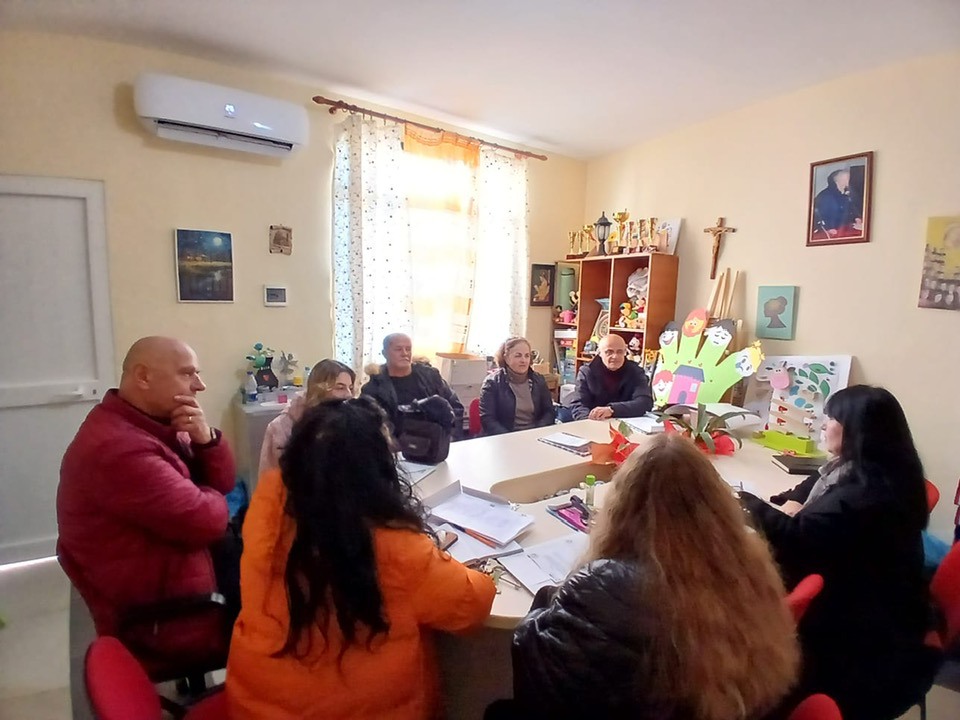
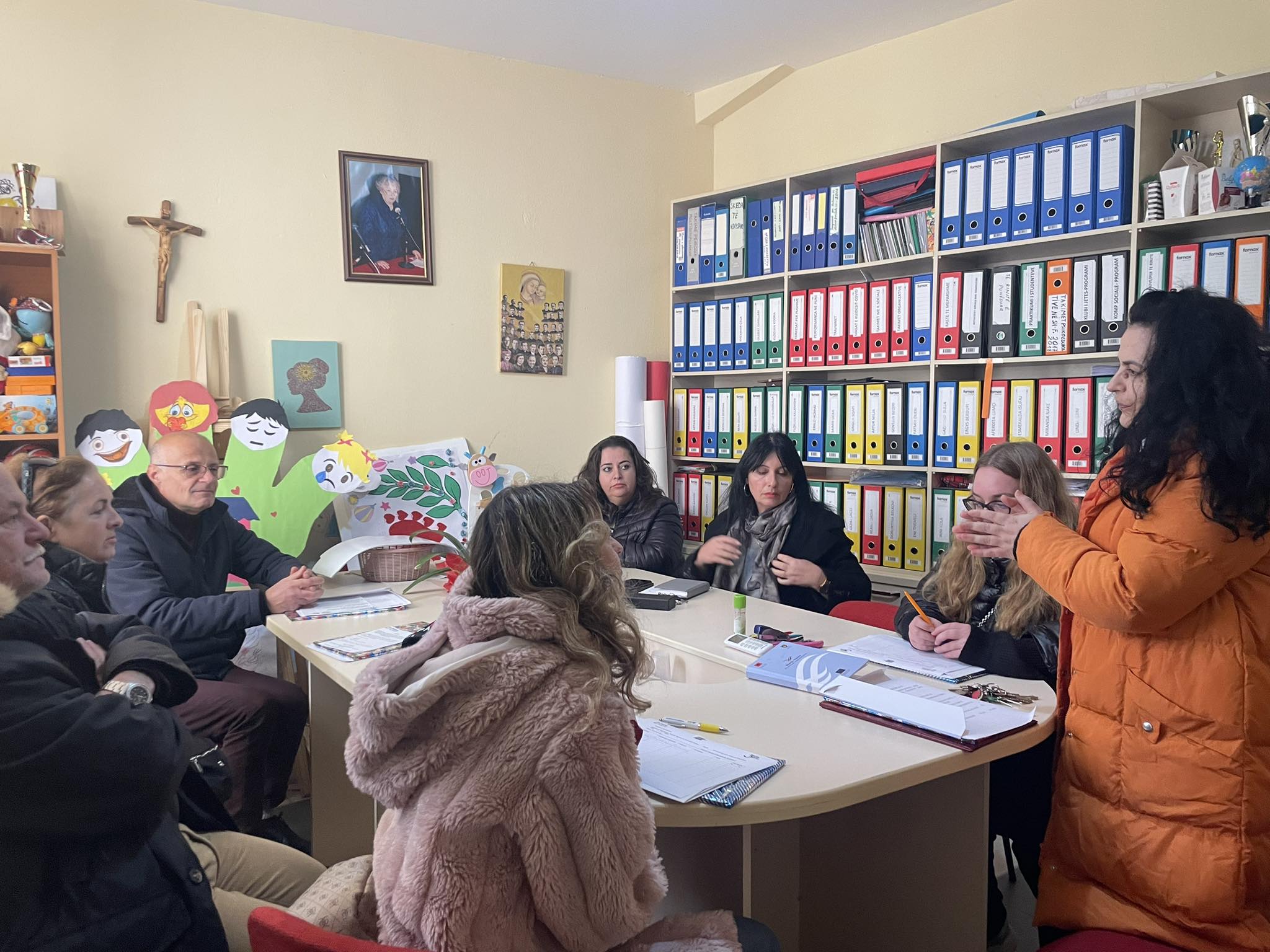
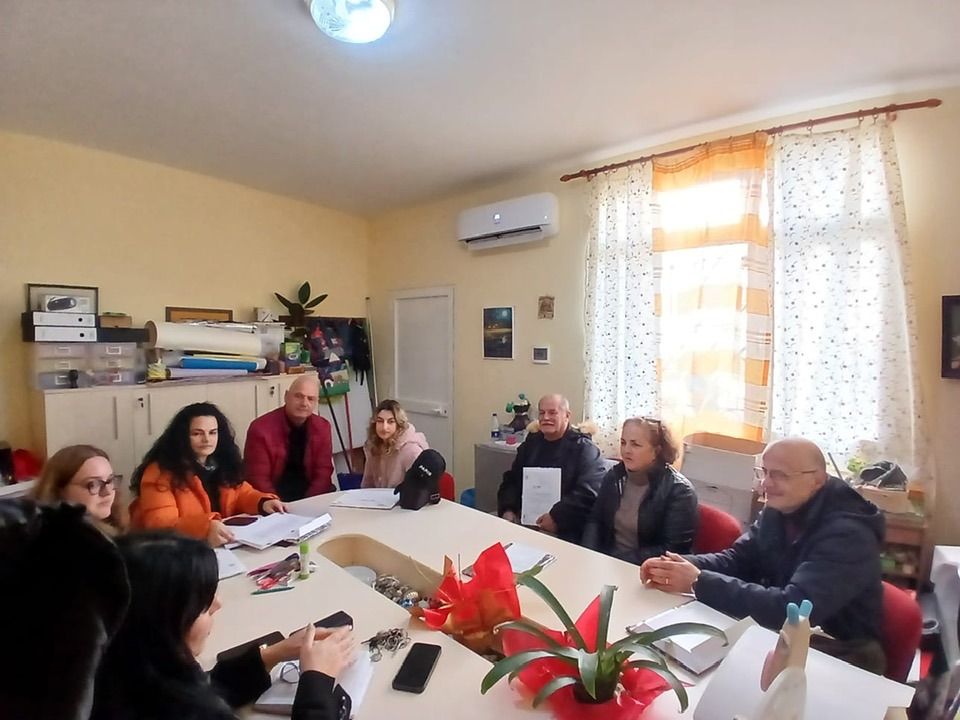
Creating a safe and supportive space for people in need begins with understanding what safety truly means. It is not only about providing physical security, but also about offering emotional calm, stability, and respect. Many individuals facing poverty, disability, or social isolation live with constant uncertainty. They may experience judgment, misunderstanding, or environments that make them feel invisible. A supportive space counters this by giving them room to breathe, to speak openly, and to feel valued without fear. It becomes a place where dignity is protected and where the person feels welcomed as they are.
A supportive environment also involves consistency. When someone is struggling, their daily life often feels unpredictable — plans change suddenly, challenges appear without warning, and control slips away. A safe space offers a sense of structure, where people know they will be listened to, treated kindly, and guided with patience. This consistency builds trust. Over time, individuals begin to relax, let down their guard, and share their needs more openly. Trust is the foundation that allows meaningful support to take place.
Another essential part of a supportive space is the way communication happens. Listening without judgment, speaking with kindness, and showing empathy may seem simple, but these are powerful tools for healing. People in vulnerable situations often carry heavy emotional or social burdens. When they are met with understanding rather than criticism, they regain the confidence to express themselves. This emotional safety helps them take small but important steps forward, from asking for assistance to setting personal goals.
Supportive spaces also encourage participation. Instead of treating people as passive recipients of help, they are invited to take part in activities, discussions, or decisions that affect their lives. This involvement strengthens their sense of control and independence. When people contribute, even in small ways, they begin to see their own value again. They recognize that they are not defined by their challenges, but by their resilience and potential.
Finally, a safe and supportive environment promotes connection. Hardship often pushes people into isolation, making them feel disconnected from the community. A warm, inclusive space allows individuals to rebuild social ties, interact with others, and feel part of something bigger. These connections reduce loneliness and remind them that they are not facing their struggles alone. When people are surrounded by respect, care, and understanding, they regain the strength to rebuild their lives with dignity.