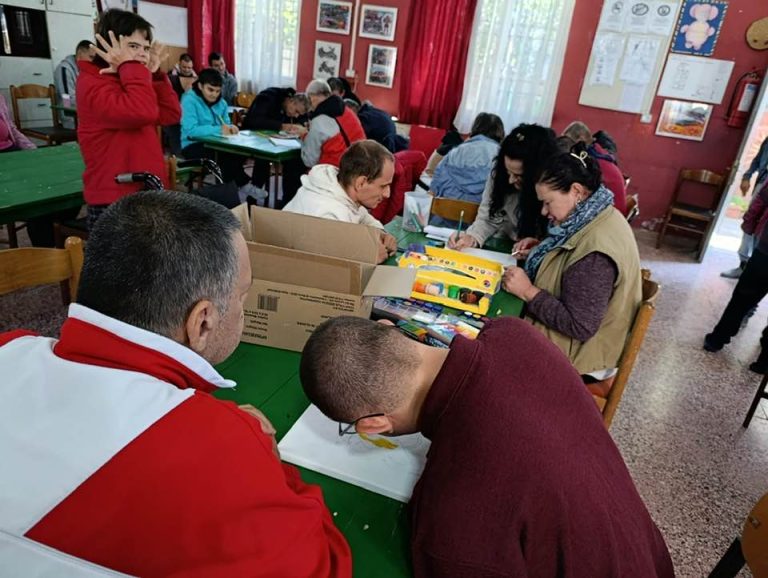
Structured activities play a meaningful role in the lives of people facing difficult situations. When someone is dealing with poverty, social isolation, disability, or emotional strain, their daily routine often becomes unpredictable and unstable. This instability can deepen stress and make it harder to regain control. Structured activities offer a sense of direction, helping individuals reconnect with their abilities, strengths, and the world around them. They create moments of clarity, focus, and purpose — elements that are essential for anyone trying to rebuild stability in their life.
A regular activity, even something simple, can provide a healthy rhythm to the day. When someone participates in a planned task, they shift from feeling passive to feeling active, from being overwhelmed to being engaged. Whether the activity involves learning a skill, taking part in a group task, or completing a personal project, it helps the person experience progress and achievement. These experiences build confidence and remind them that improvement is possible, even if the challenges are significant. For many people in need, this is the first step toward reclaiming a sense of independence.
Structured activities also create safe spaces for connection. People who face hardship often withdraw from community life because of shame, fear, or exhaustion. When they participate in guided activities, they slowly rebuild trust and form supportive interactions. Sharing a task with others reduces loneliness and helps participants feel understood, accepted, and less isolated. These small moments of social contact can grow into real support networks — something that many vulnerable individuals deeply lack.
The benefits extend beyond emotional well-being. Structured activities can help individuals develop practical skills, improve daily functioning, and strengthen their ability to manage responsibilities. They encourage planning, patience, cooperation, and problem-solving — all essential skills for navigating everyday life. As people become more confident and capable, they are better prepared to take steps toward long-term stability, whether that involves seeking employment, managing a household, or engaging more fully in their community.
In the end, structured activities offer more than just organization or routine. They provide purpose, connection, motivation, and hope. For people in need, these moments can become turning points that support personal growth and help rebuild confidence. By offering thoughtful, empowering activities, we create opportunities for individuals to rediscover their potential and move forward with greater strength and dignity.