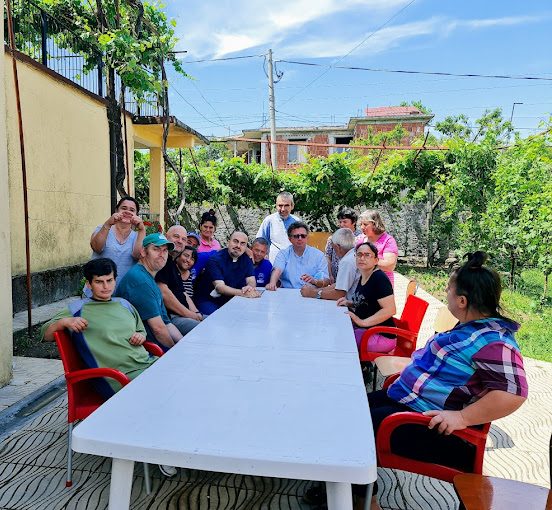
The Importance of Routine: How structured daily activities improve mental health.

April, 2026
For individuals navigating the complexities of intellectual or physical disabilities, the world can often feel unpredictable and overwhelming. At Projekti Shpresa, we have found that a structured daily routine is one of the most effective, non-clinical tools for improving mental health. By establishing a consistent rhythm—from the time we wake up in our family homes to the scheduled hours of our vocational workshops—we provide our residents with a sense of "predictable safety." When a person knows exactly what to expect from their day, their cortisol levels drop, anxiety is reduced, and they gain the emotional space needed to focus on growth and learning. This structure isn't about rigid control; it’s about creating a reliable framework where residents feel secure enough to express themselves.

The psychological benefits of a daily schedule are deeply rooted in the concept of "purposeful activity." Within our Shkodër center, every part of the day serves a developmental or social goal. For instance, the transition from morning chores to afternoon garden therapy helps residents practice "cognitive switching," which improves mental flexibility. Having a set time for communal meals and group reflection fosters a sense of belonging and reduces feelings of isolation. When activities are consistent, residents can track their own progress—seeing how they’ve improved in the wood workshop over a week or a month—which builds a vital sense of mastery and self-esteem. Routine transforms a series of hours into a series of achievements.

Furthermore, a well-structured day at Projekti Shpresa allows our multidisciplinary team—including psychologists and educators—to better monitor and support the emotional health of our residents. When there is a baseline routine, it becomes much easier to notice when a resident is struggling or needs extra attention. If someone who usually enjoys the morning craft session suddenly withdraws, the consistency of the schedule acts as an early warning system. This allows our staff to intervene with empathy and personalized care before a small stressor becomes a larger crisis. In this way, the "House-Family" model uses the power of habit to ensure that no one’s emotional needs go unnoticed.

Ultimately, the goal of our structured daily life is to prepare residents for the realities of the wider community. Life outside of a supportive residence requires an understanding of time management, punctuality, and the balance between work and rest. By practicing these routines within the safe environment of Projekti Shpresa, our youth and adults develop the "internal clock" necessary for social integration. Whether it’s preparing for a summer camp in Velipojë or a local job-shadowing opportunity, the habits formed today become the foundation for a stable, independent tomorrow. We believe that a life with a plan is a life filled with hope.

Subscribe to the newsletter

Please enable JavaScript in your browser to complete this form.
This website is made by MilanoSites
cross