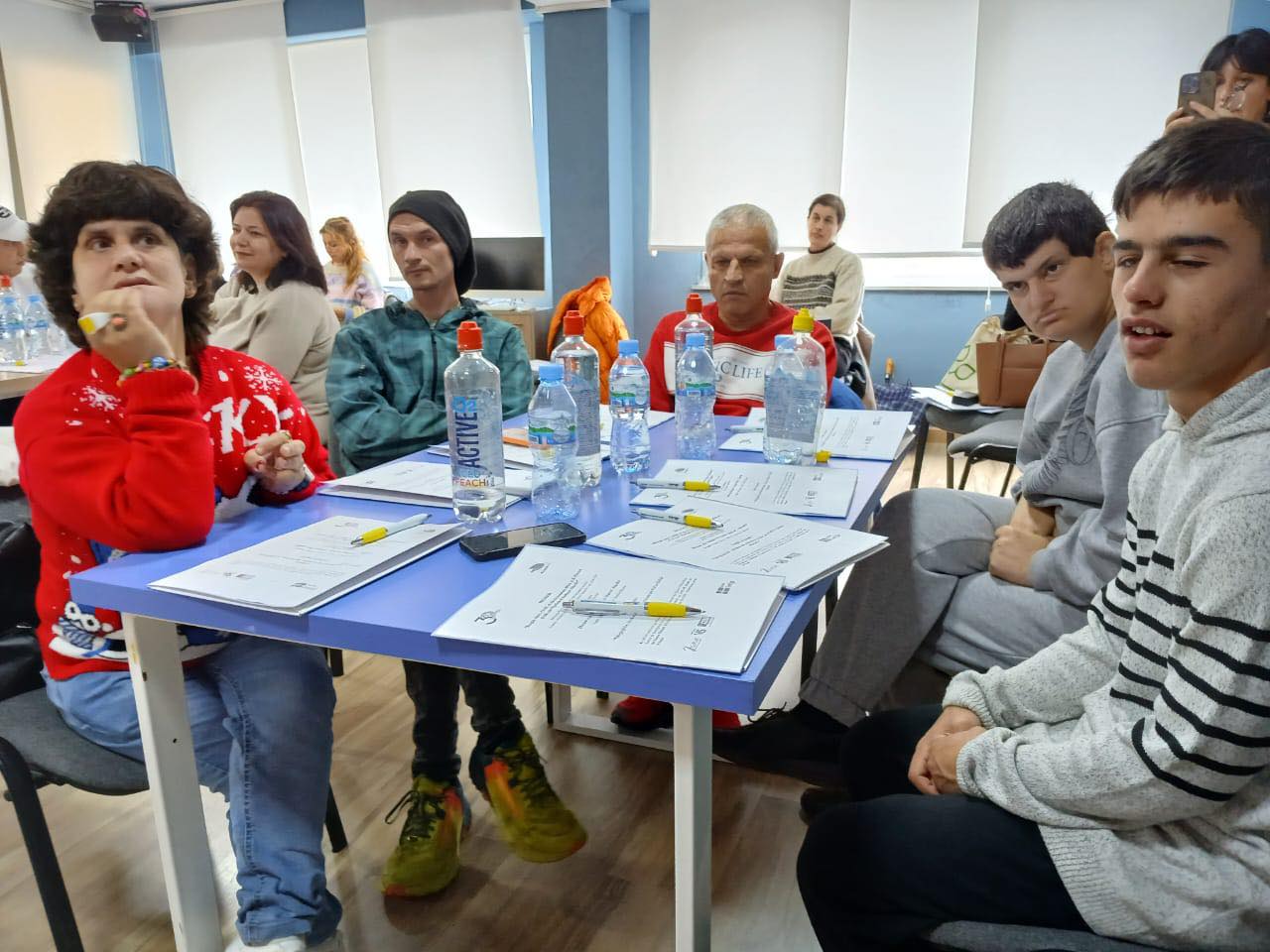
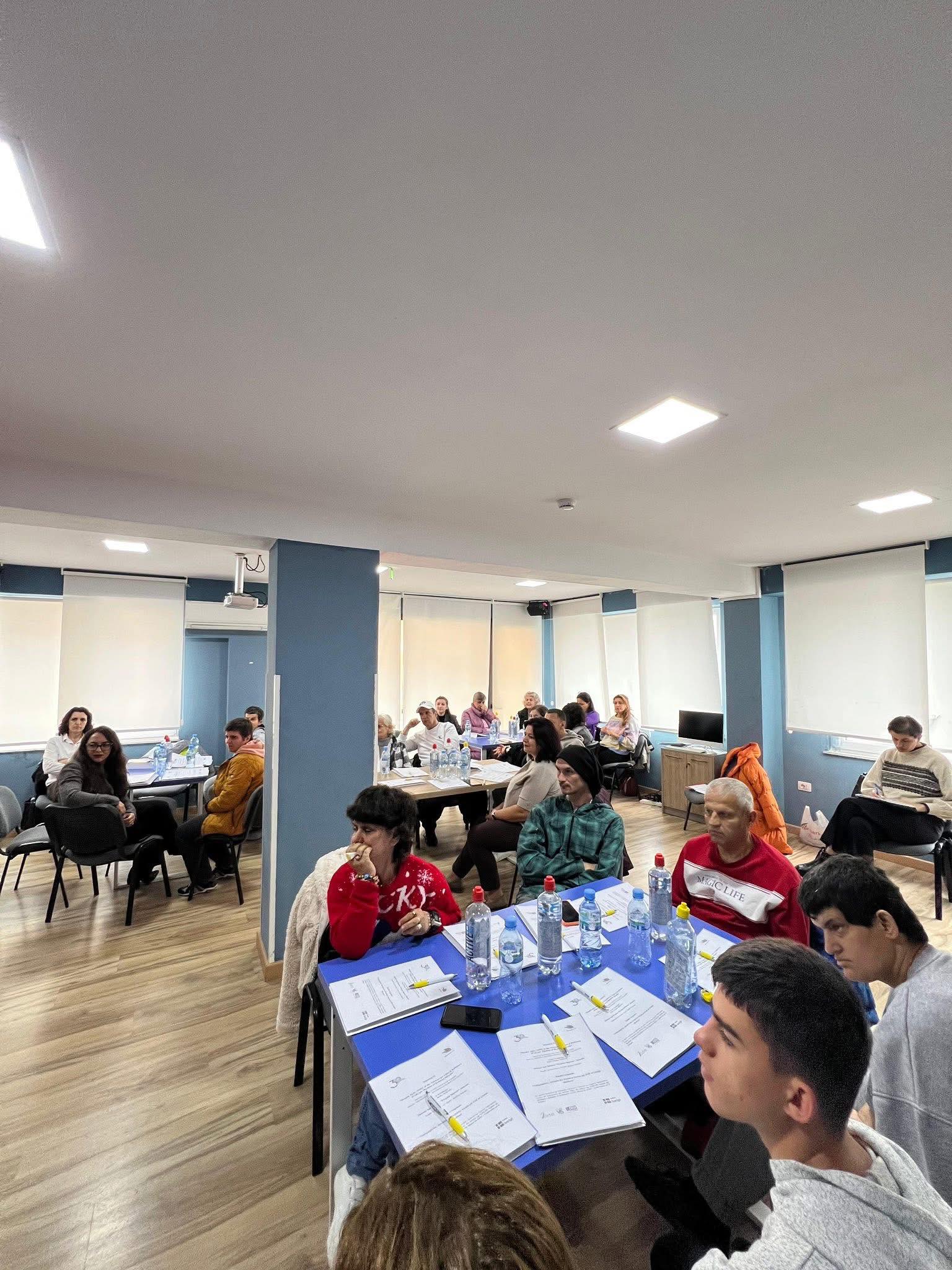
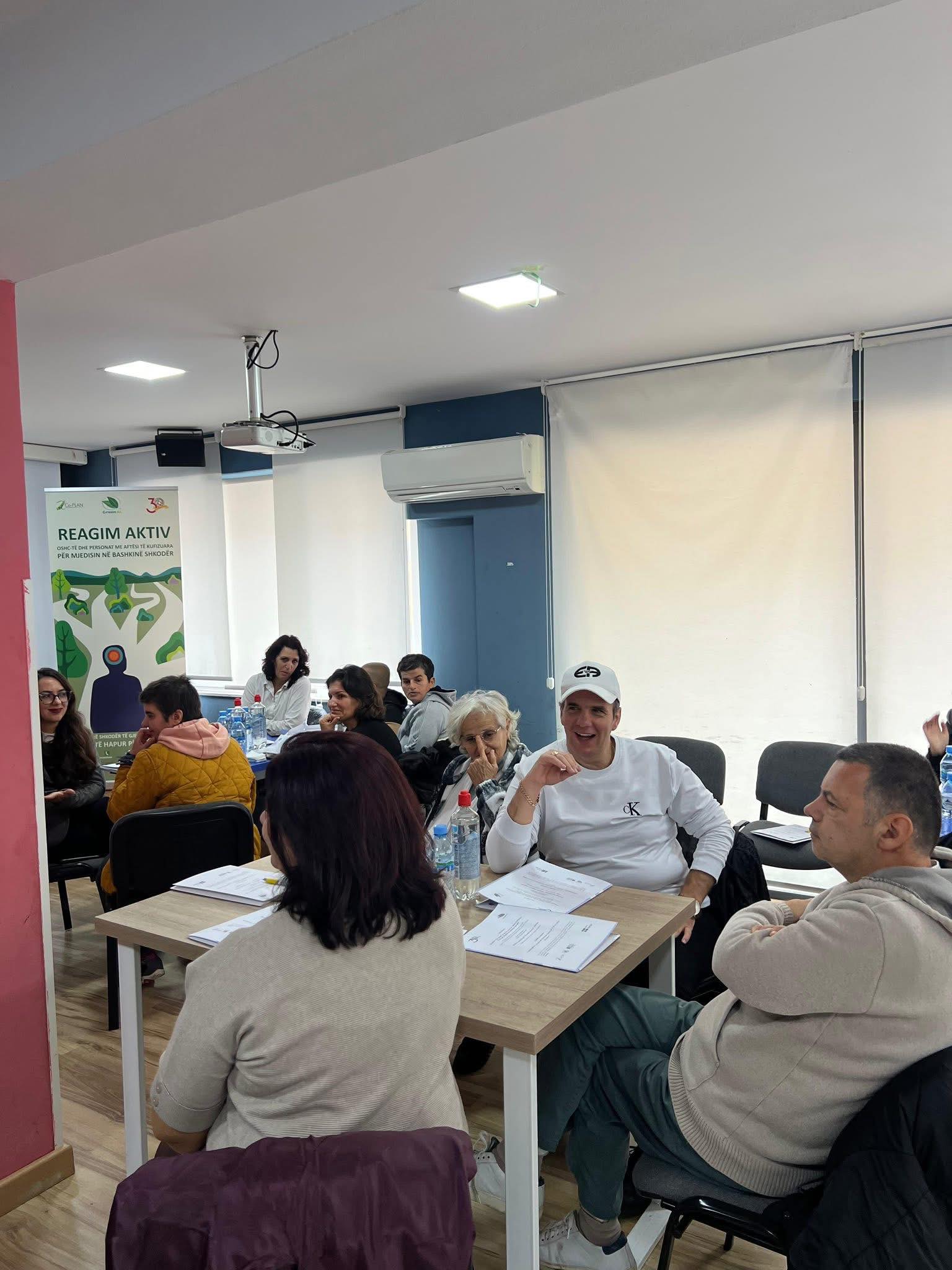
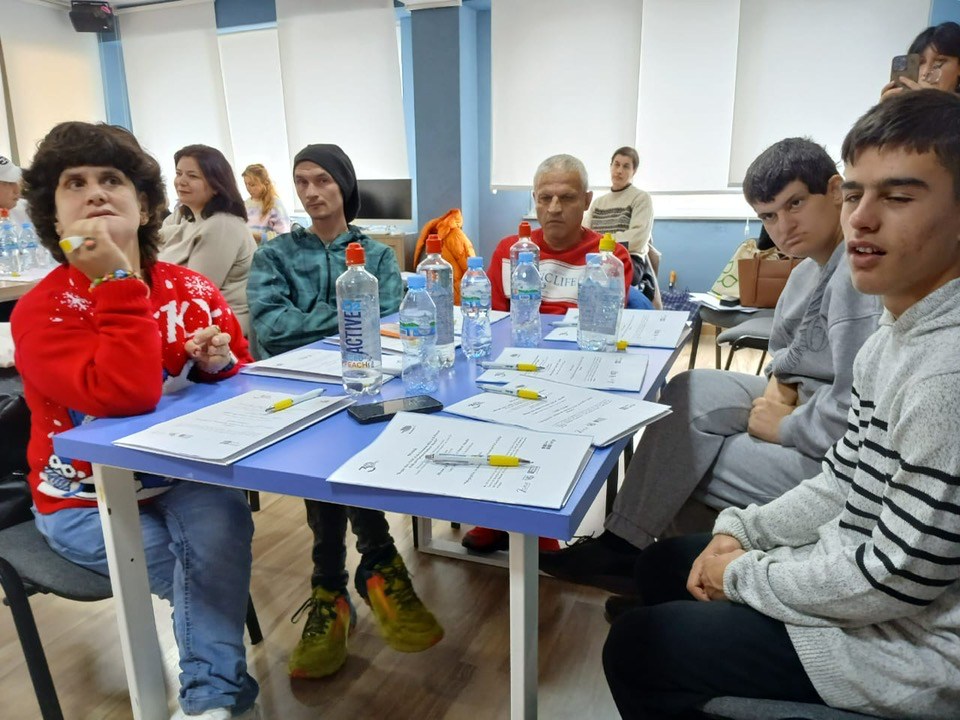
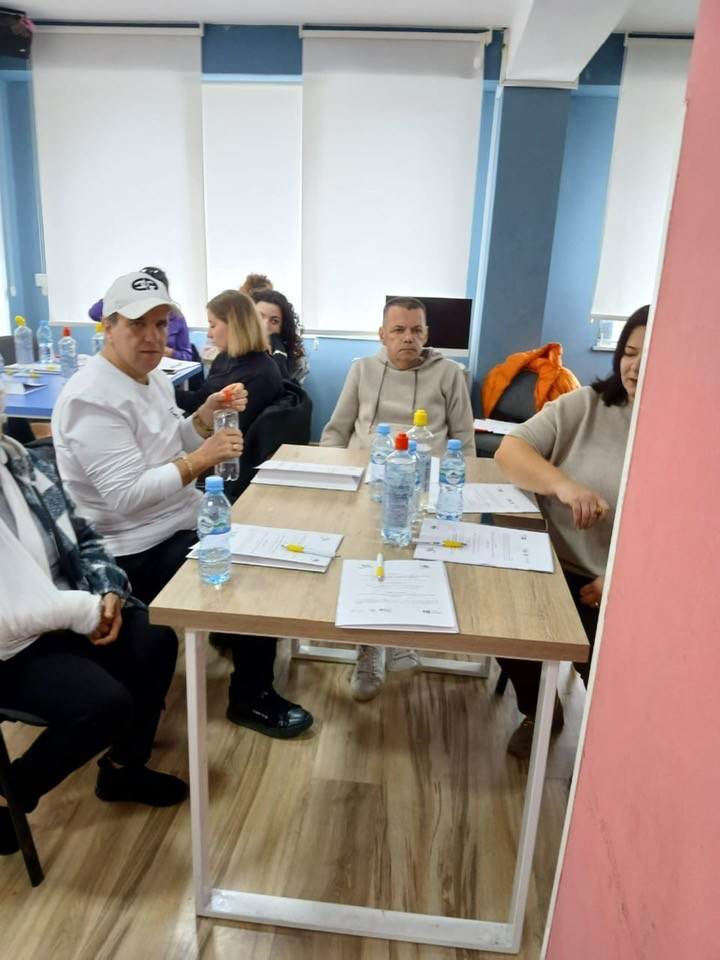
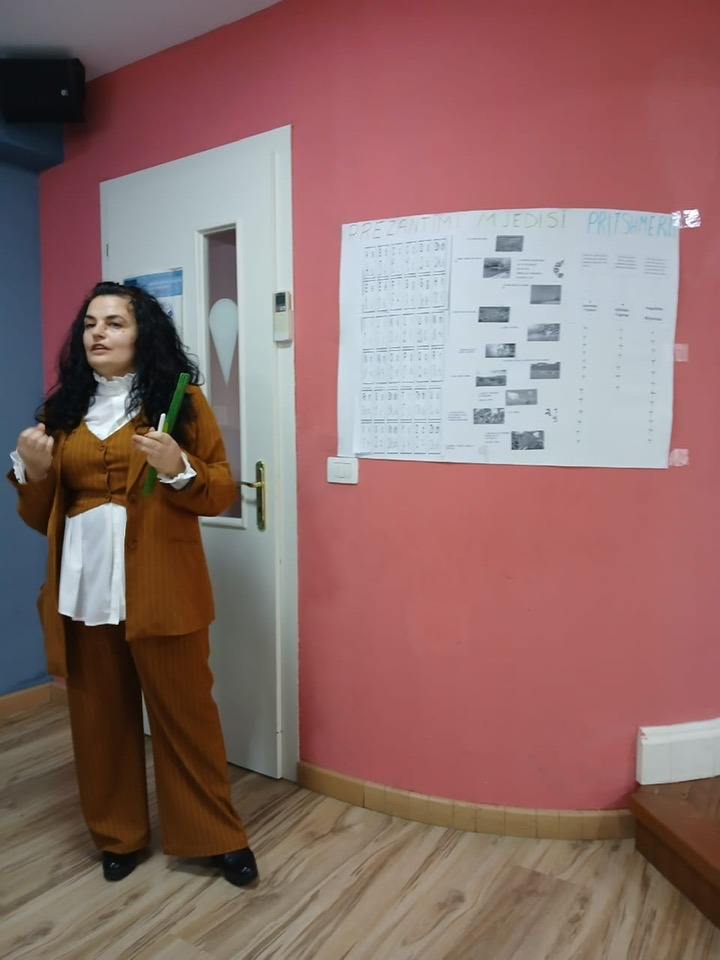
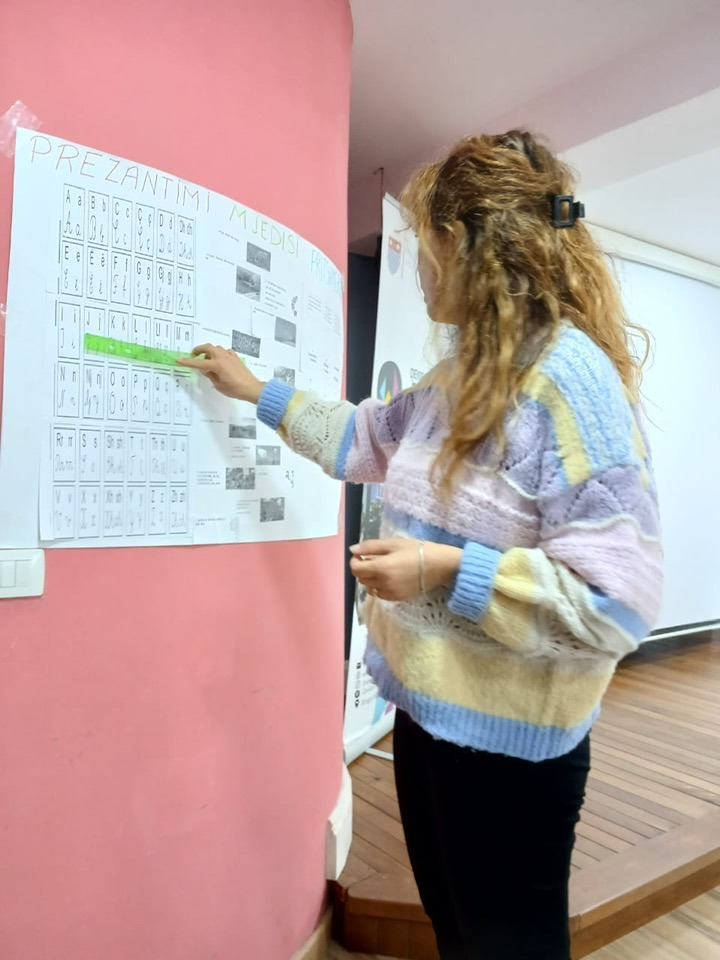
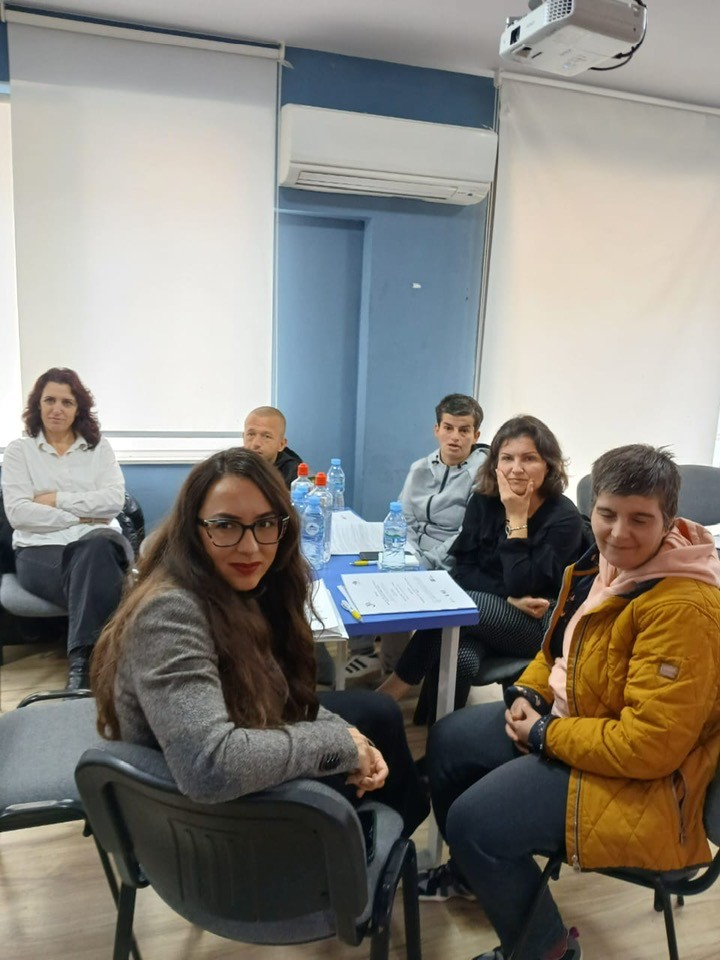
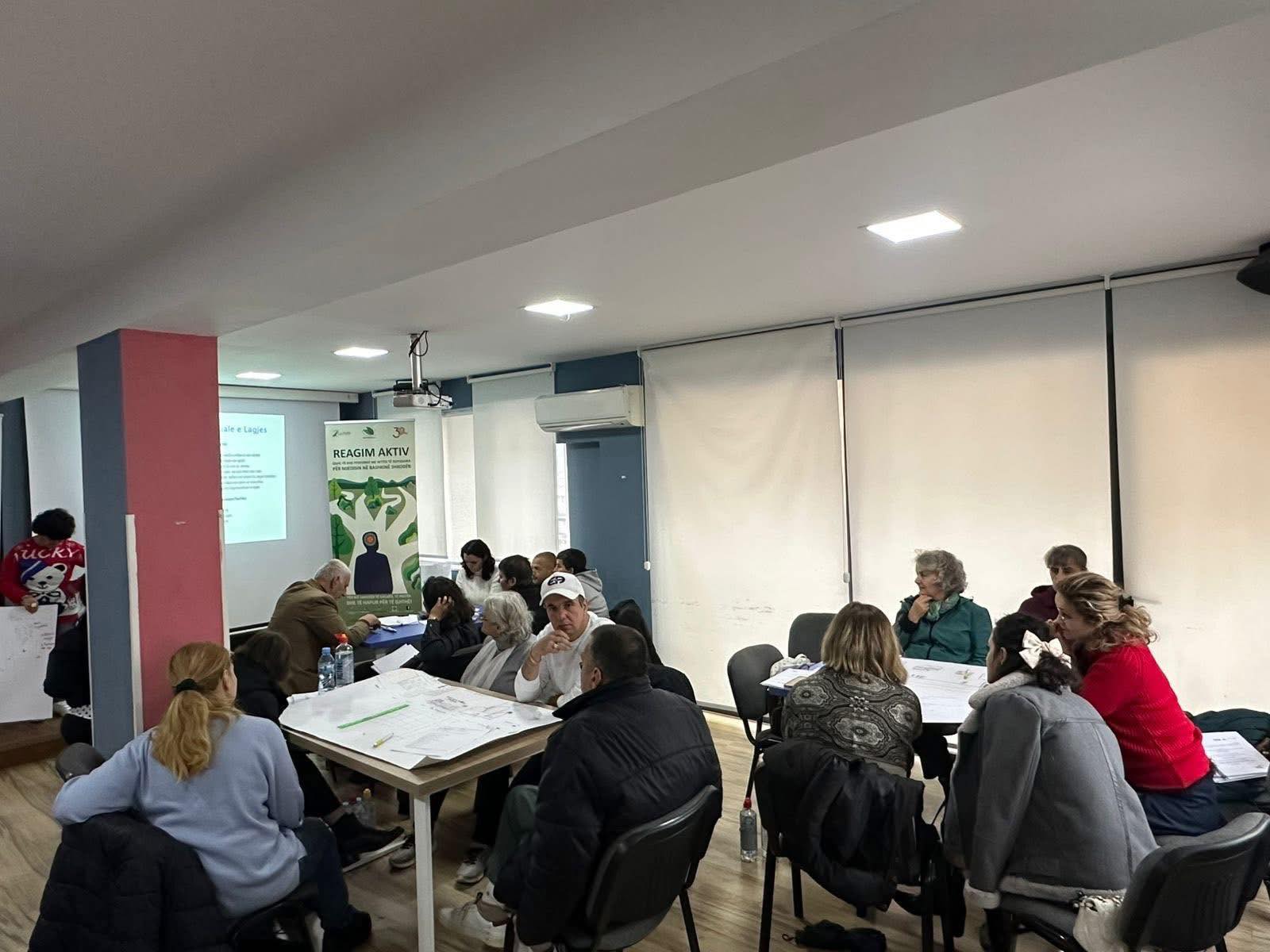
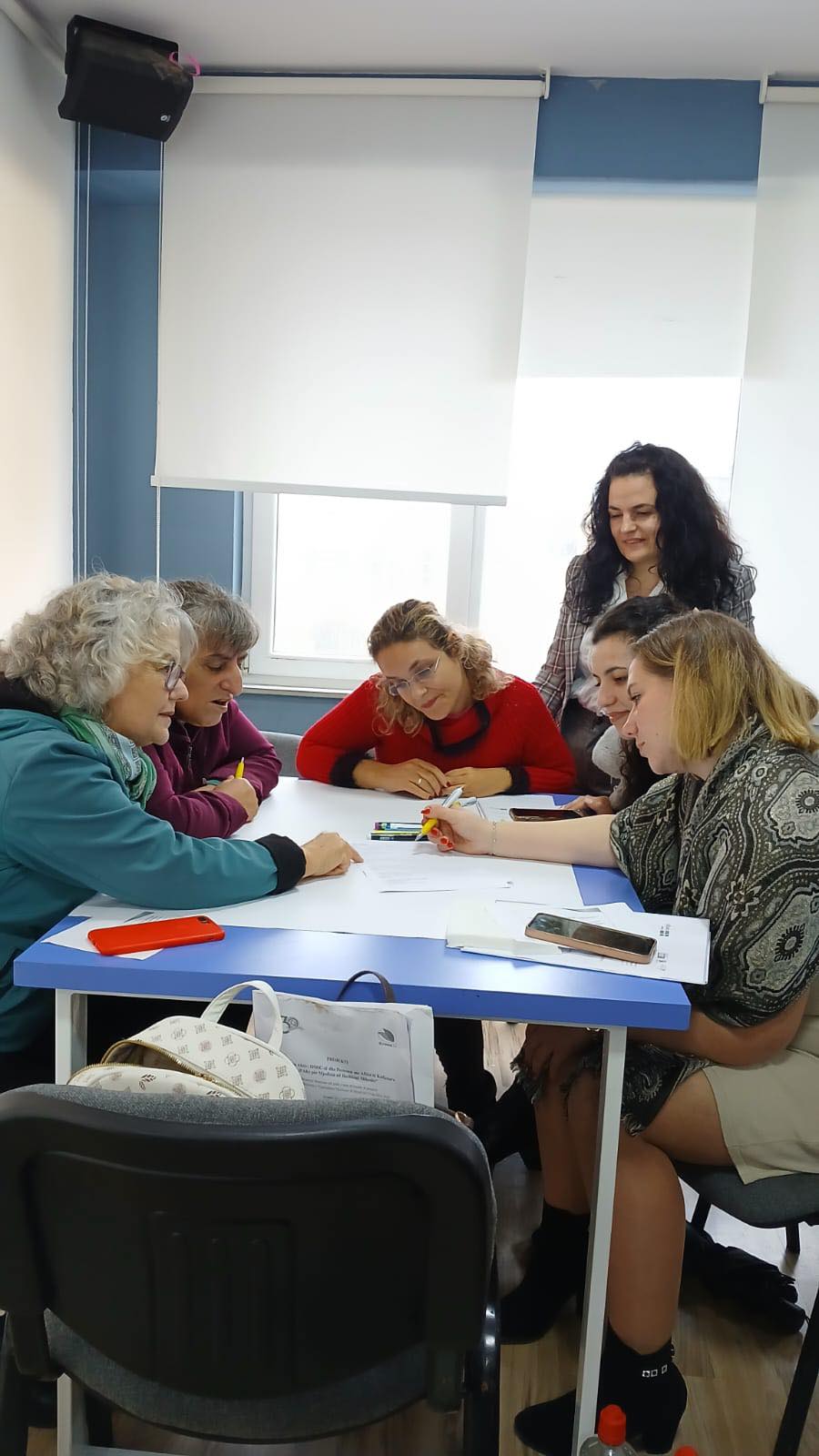
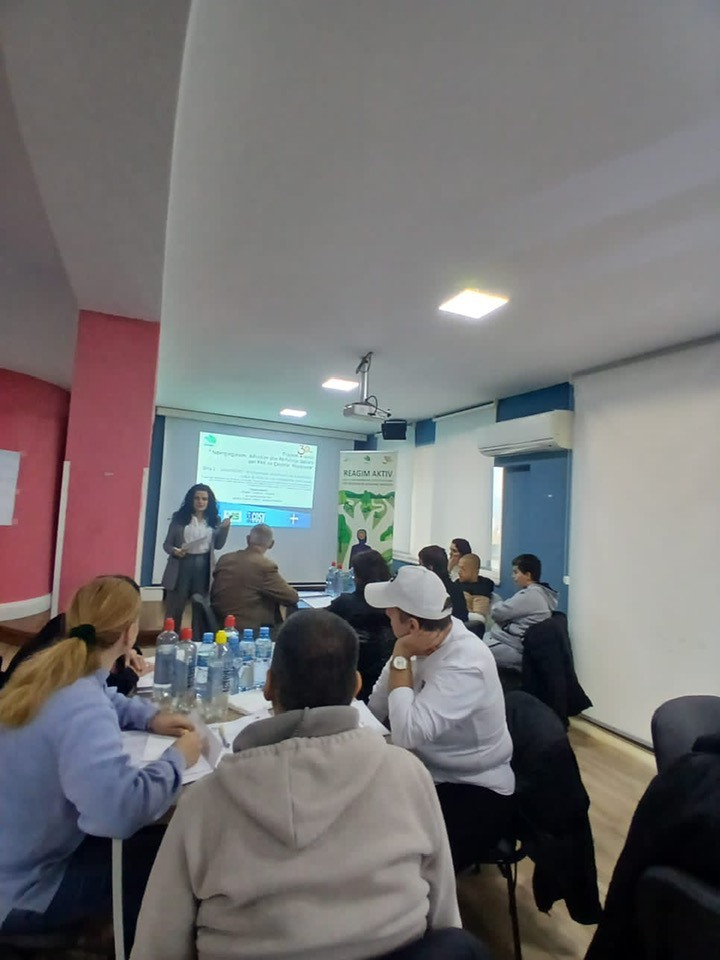
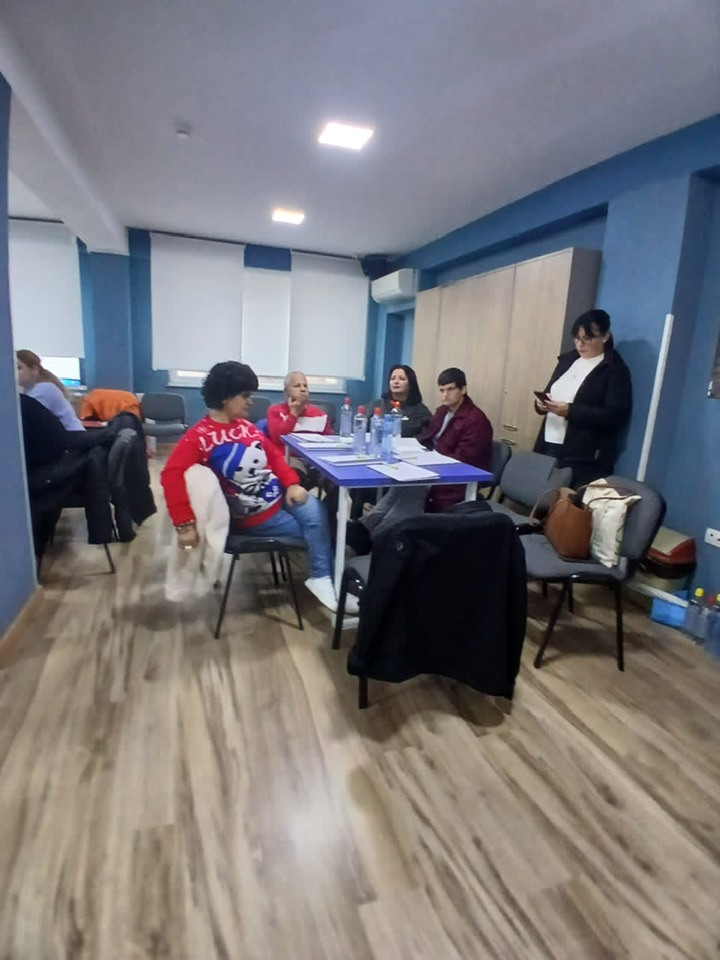
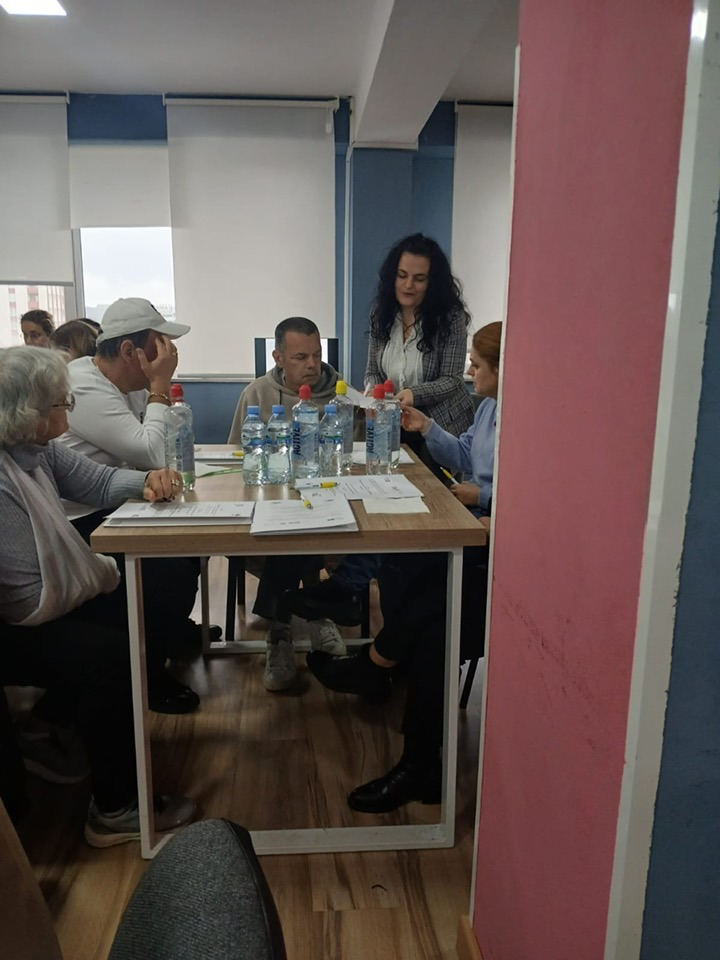
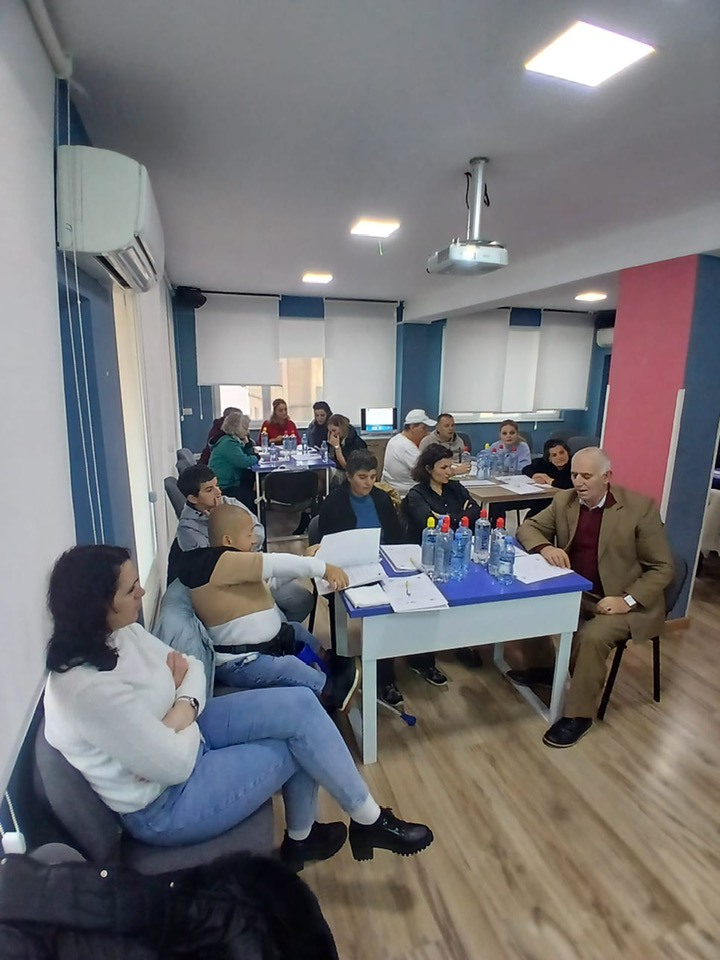
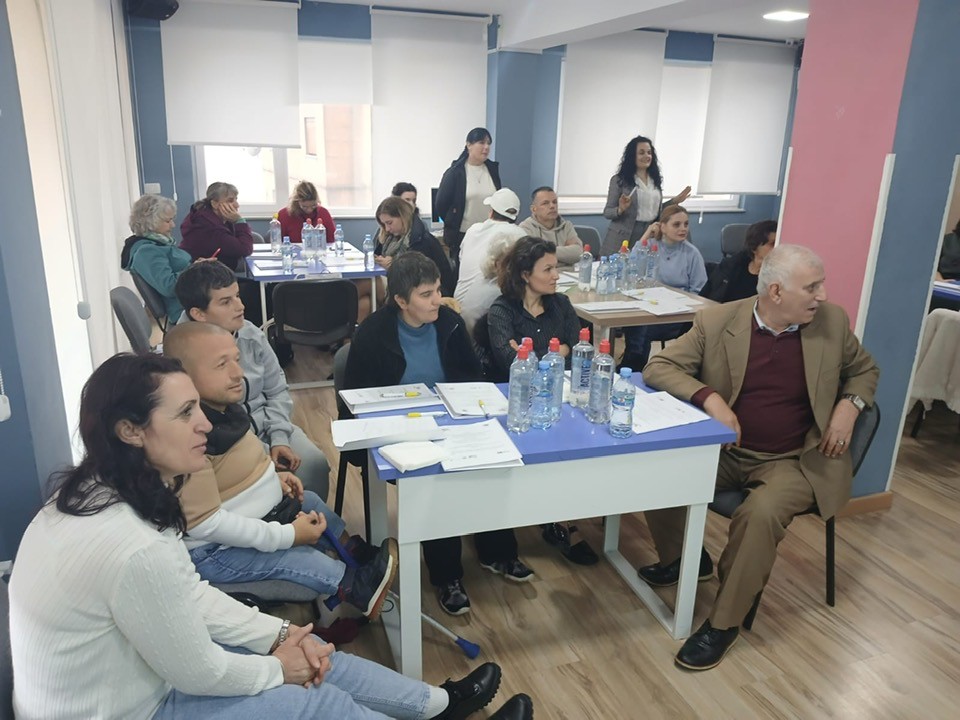
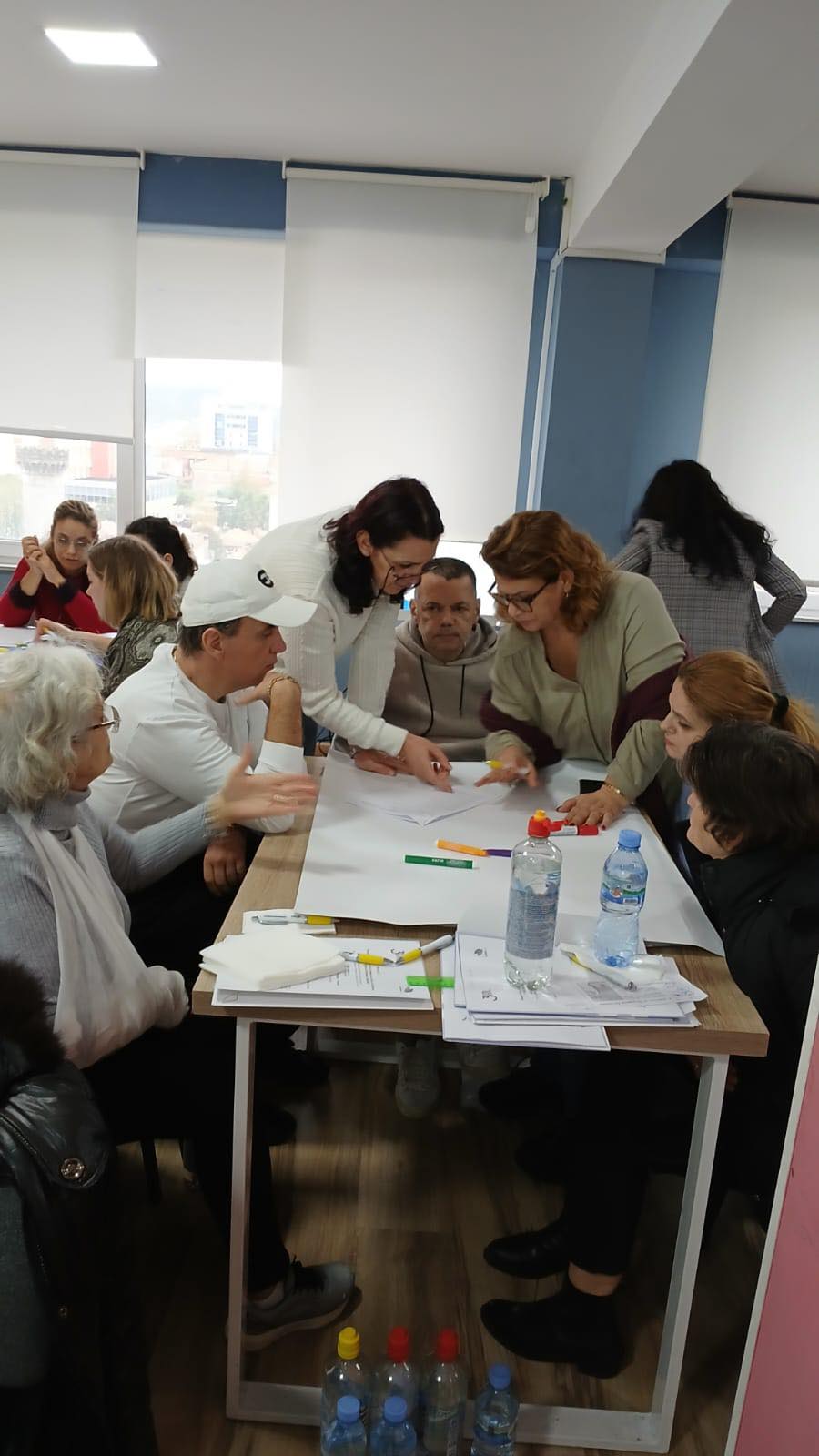
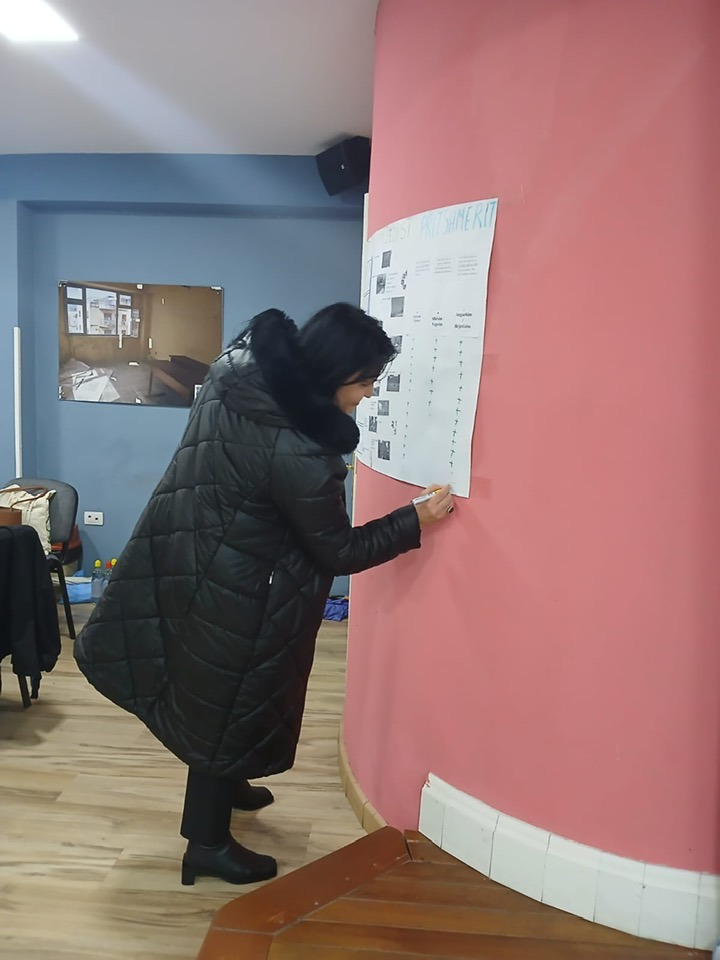
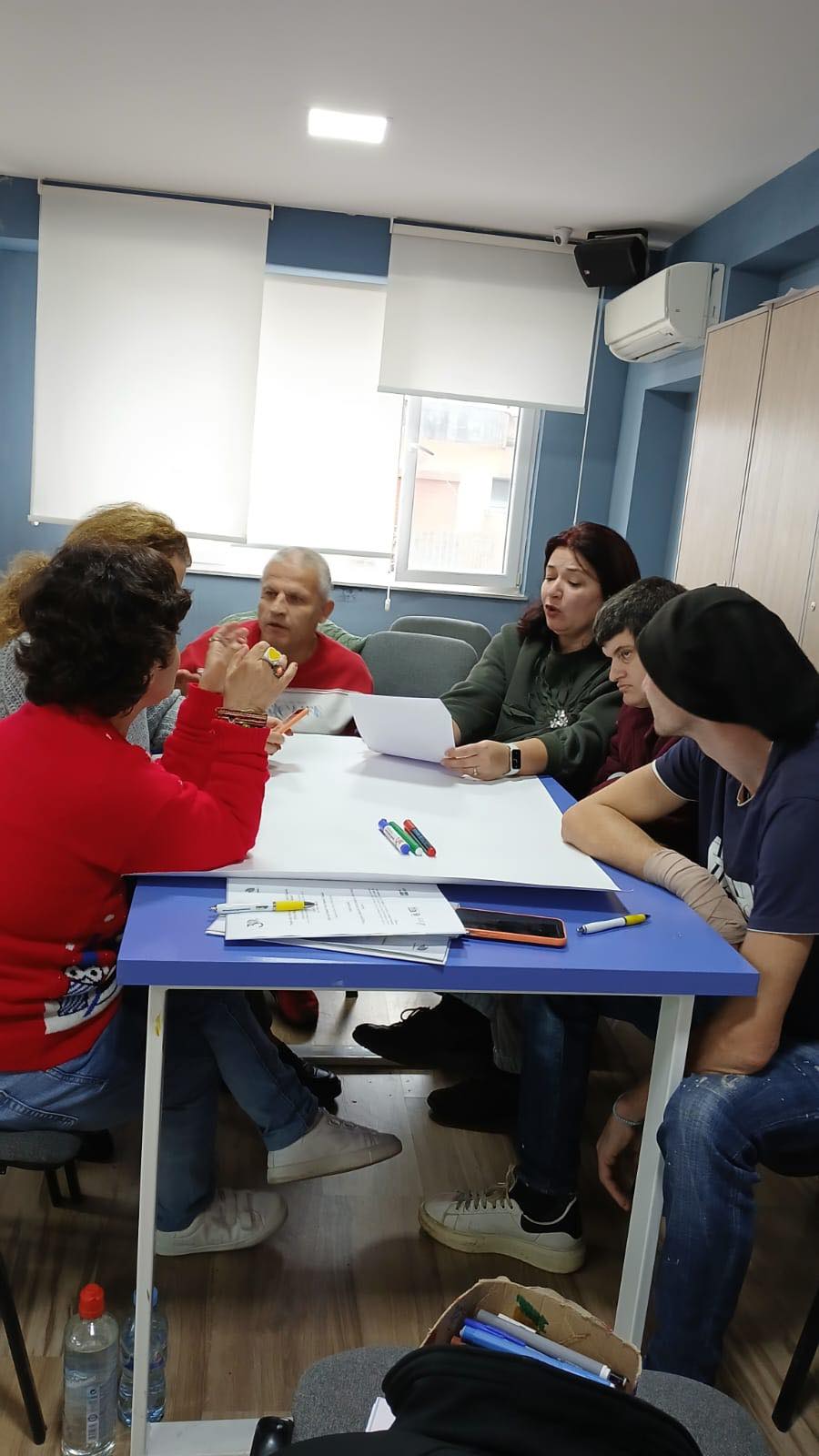
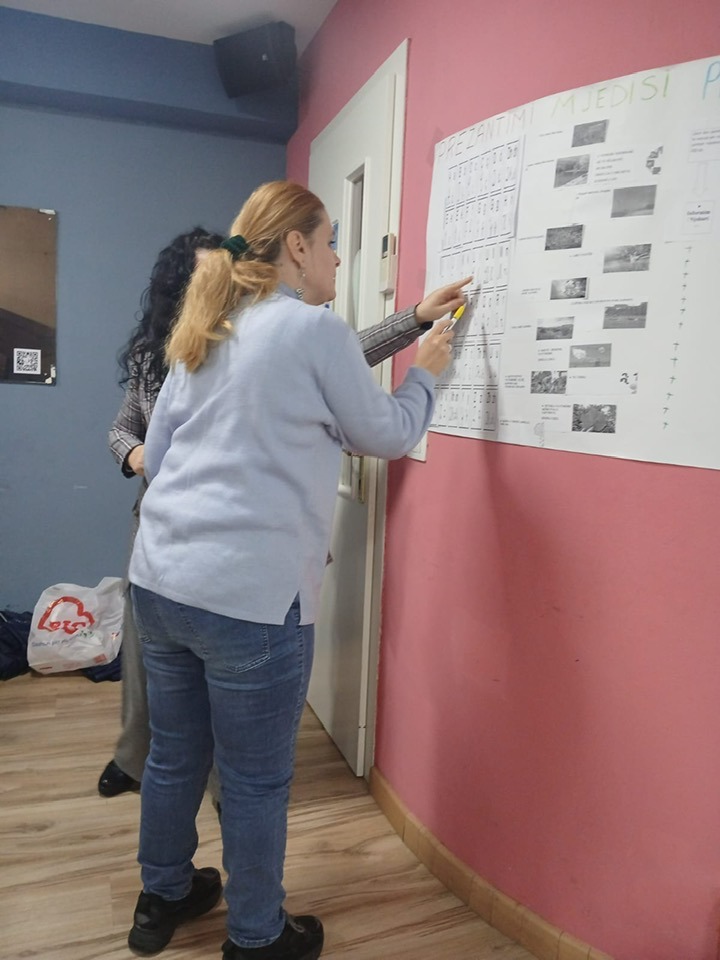
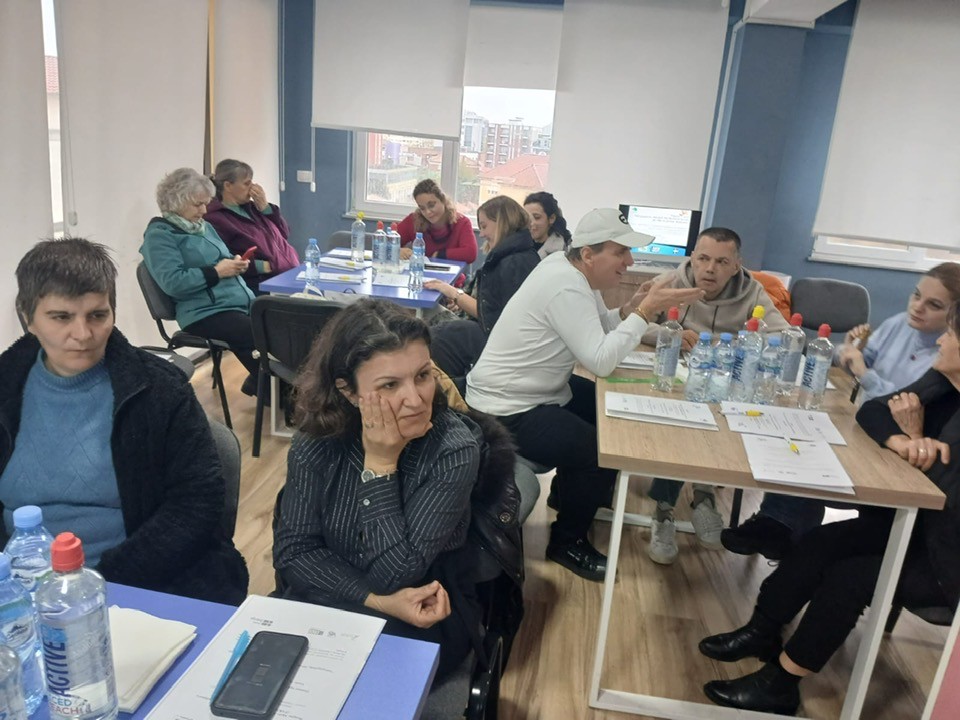
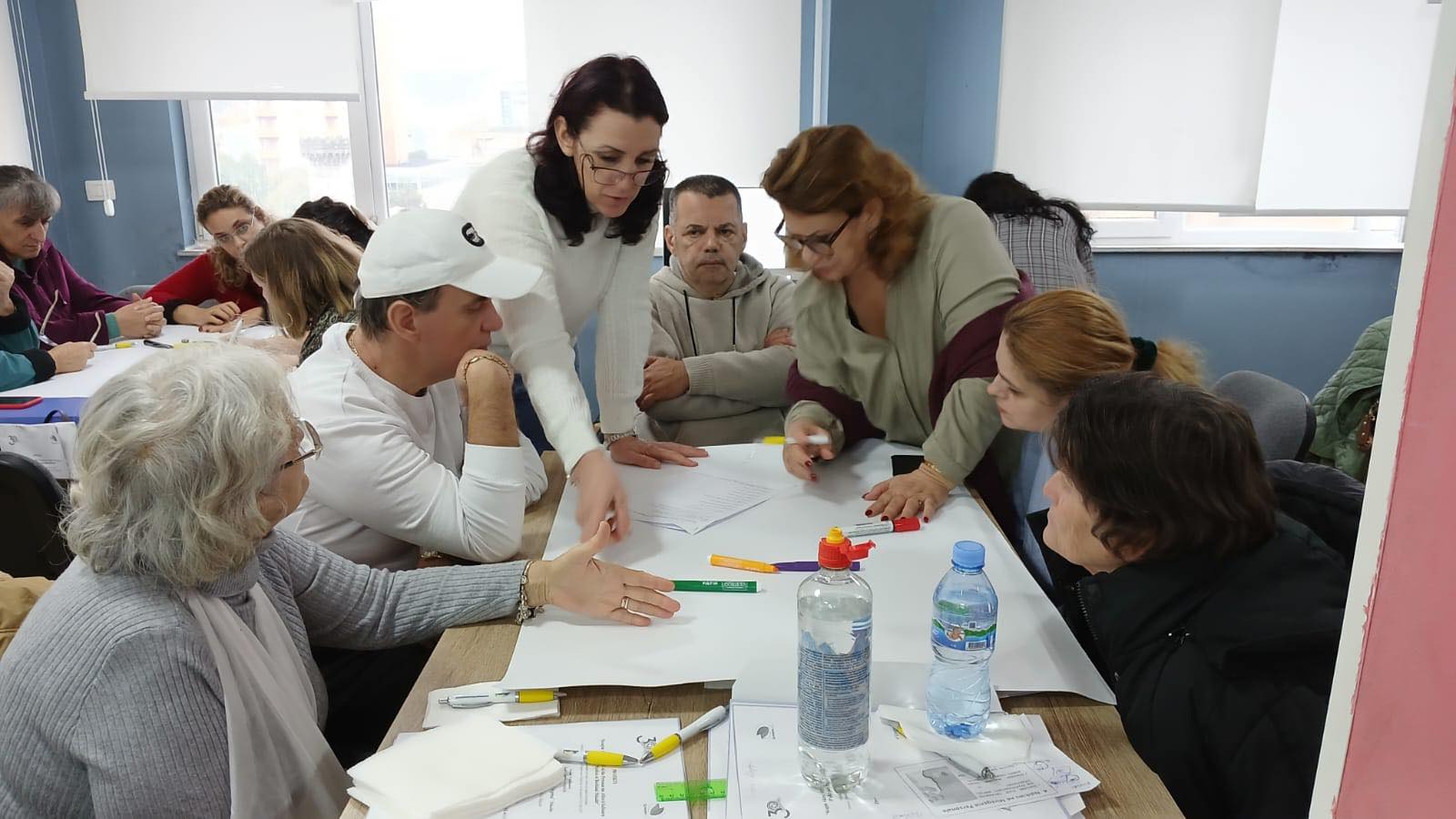
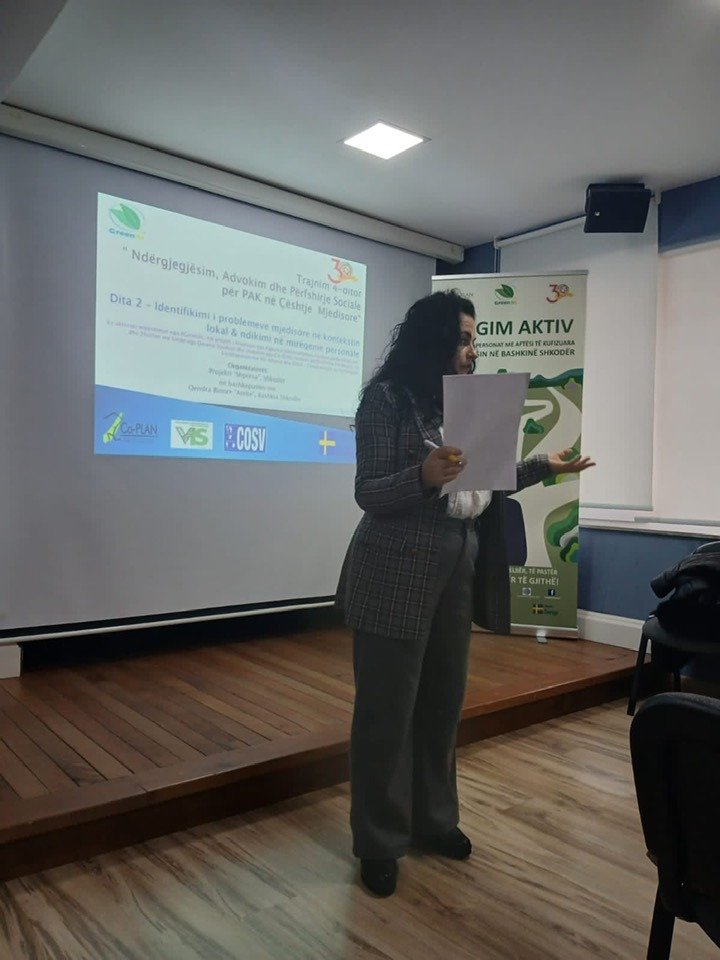
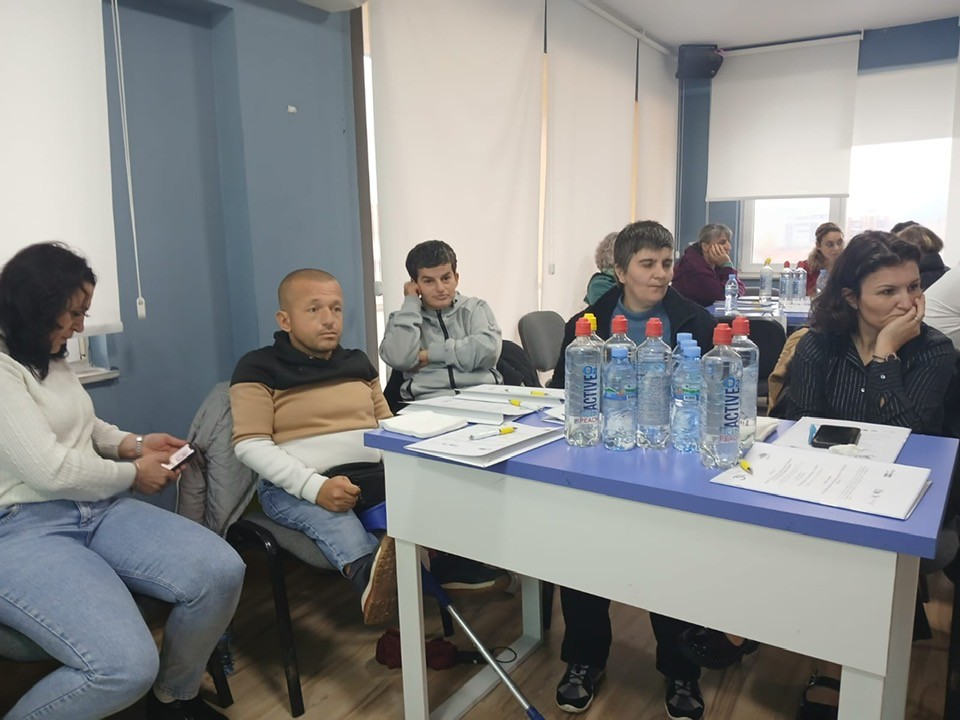
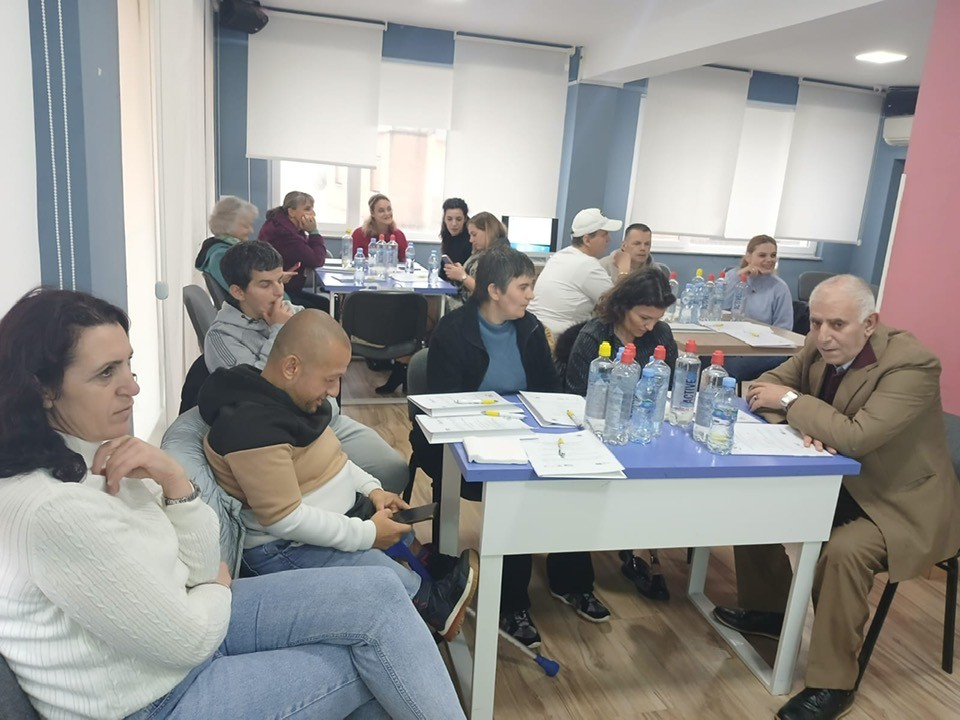
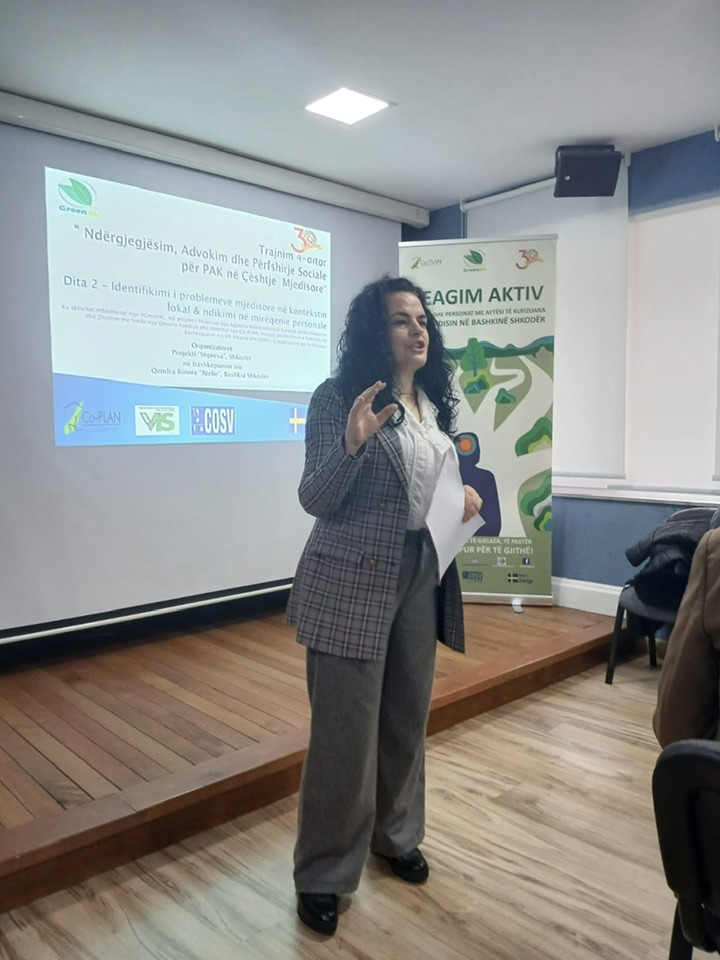
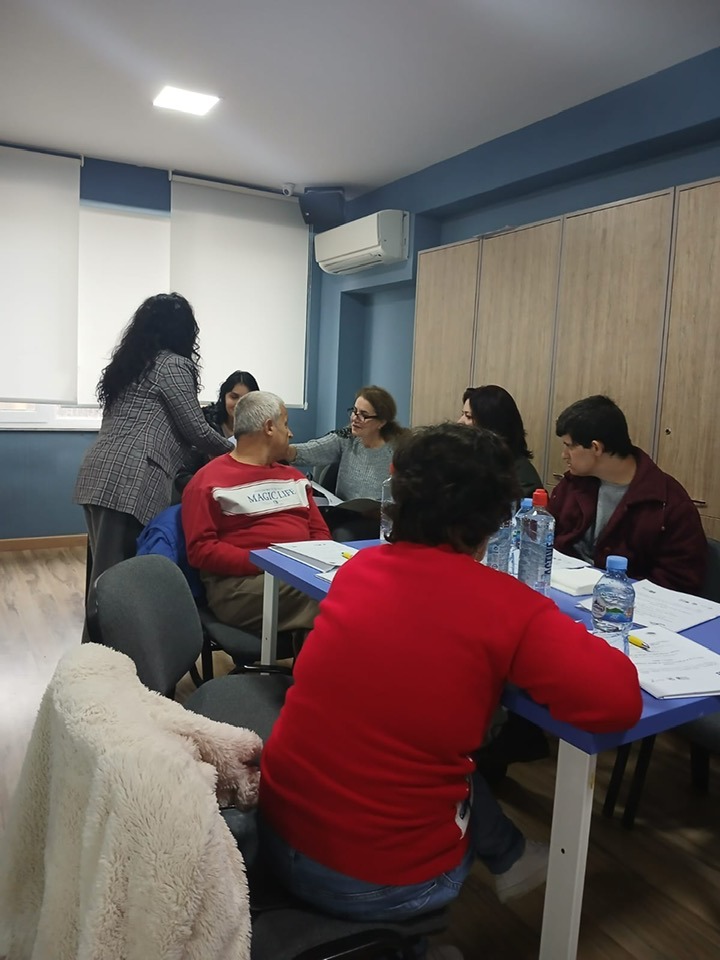
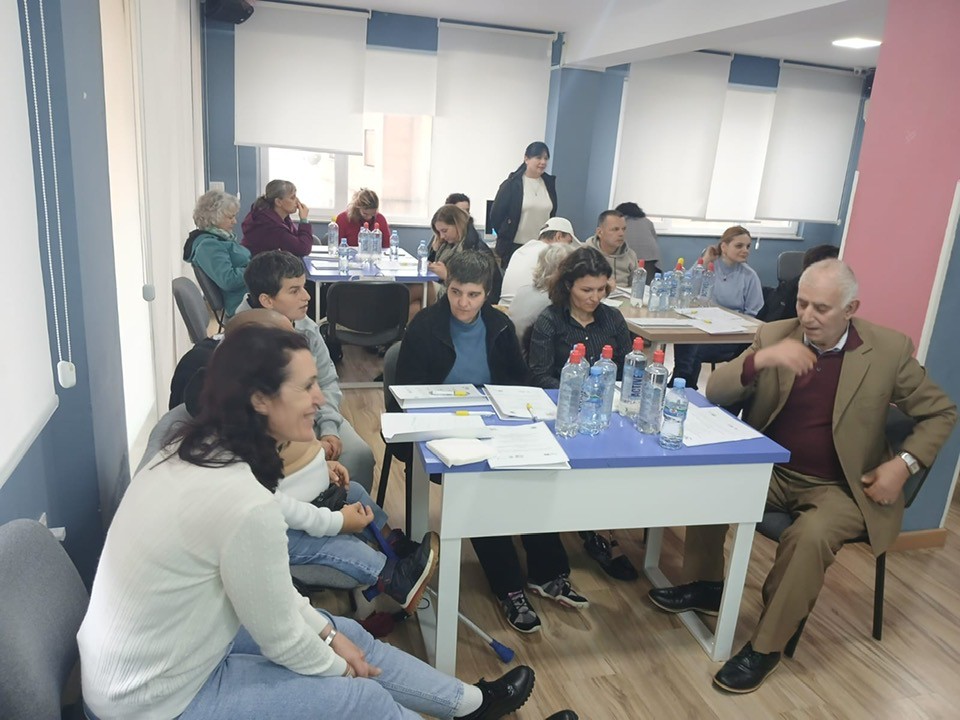
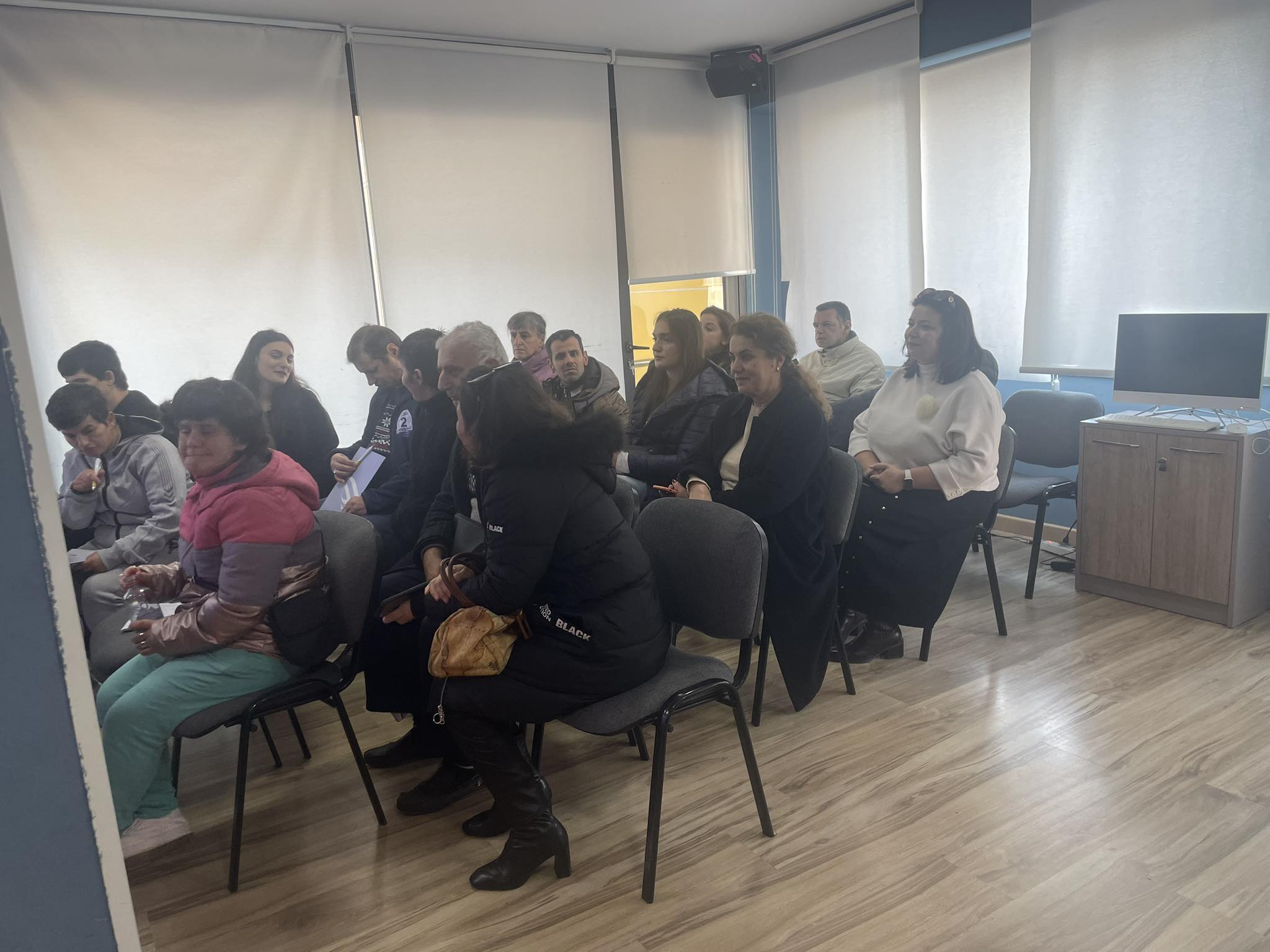
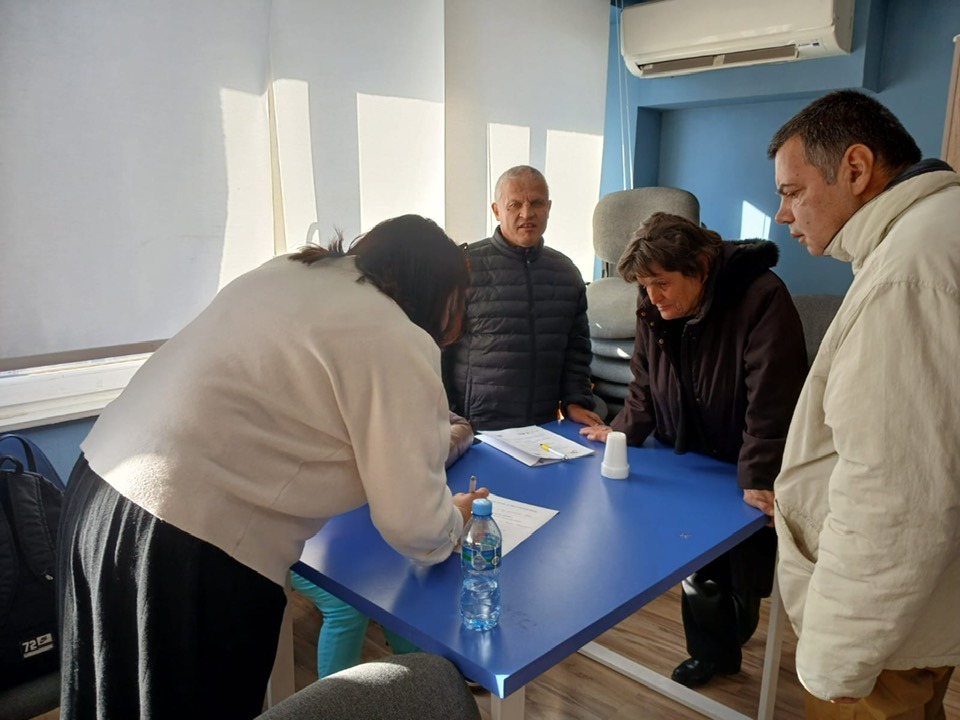
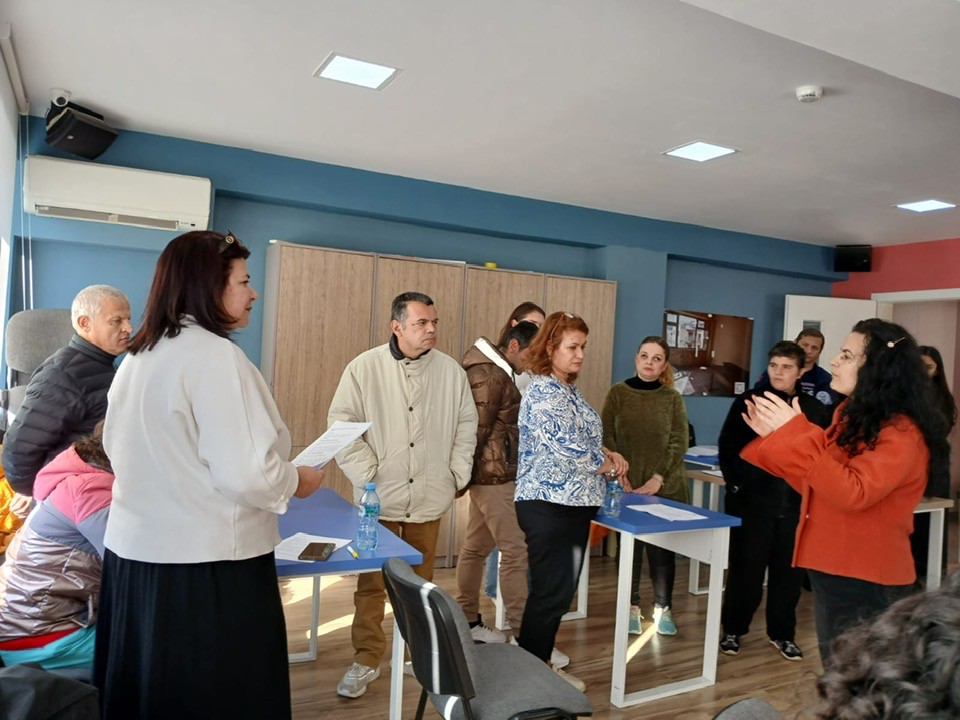
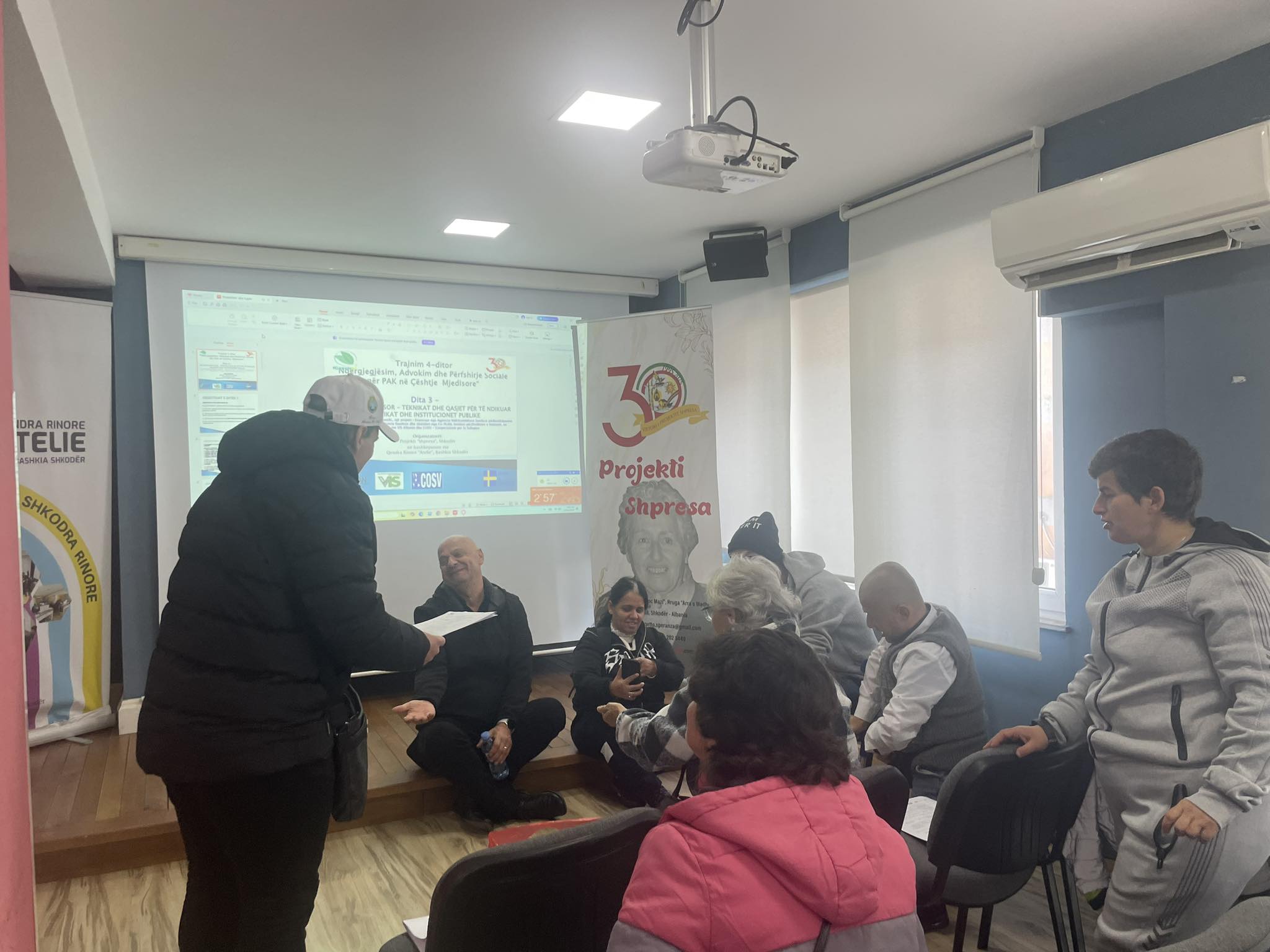
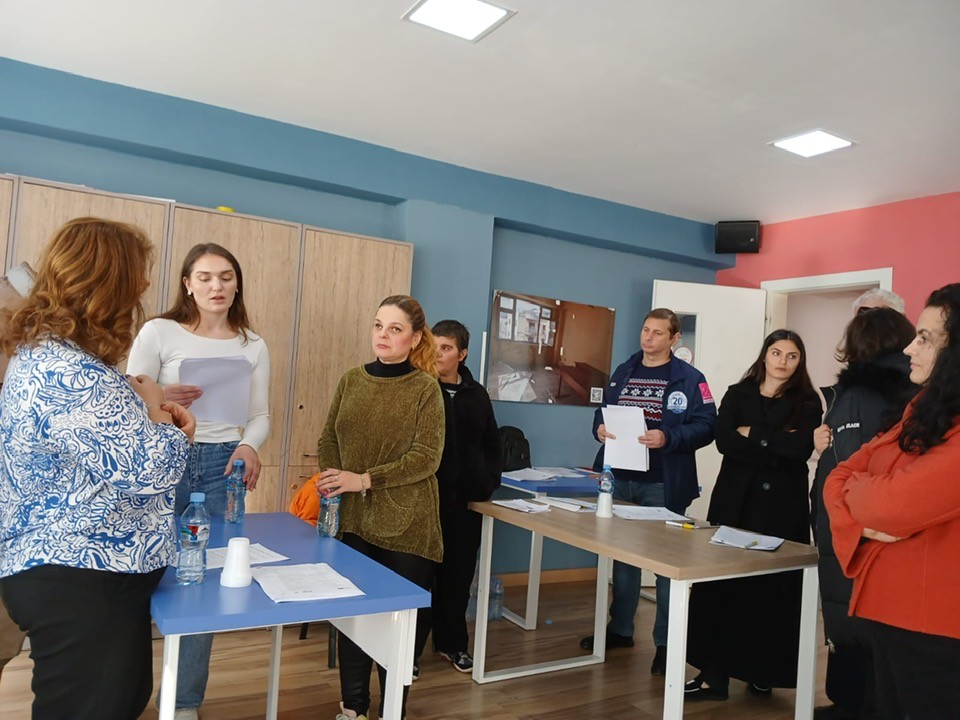
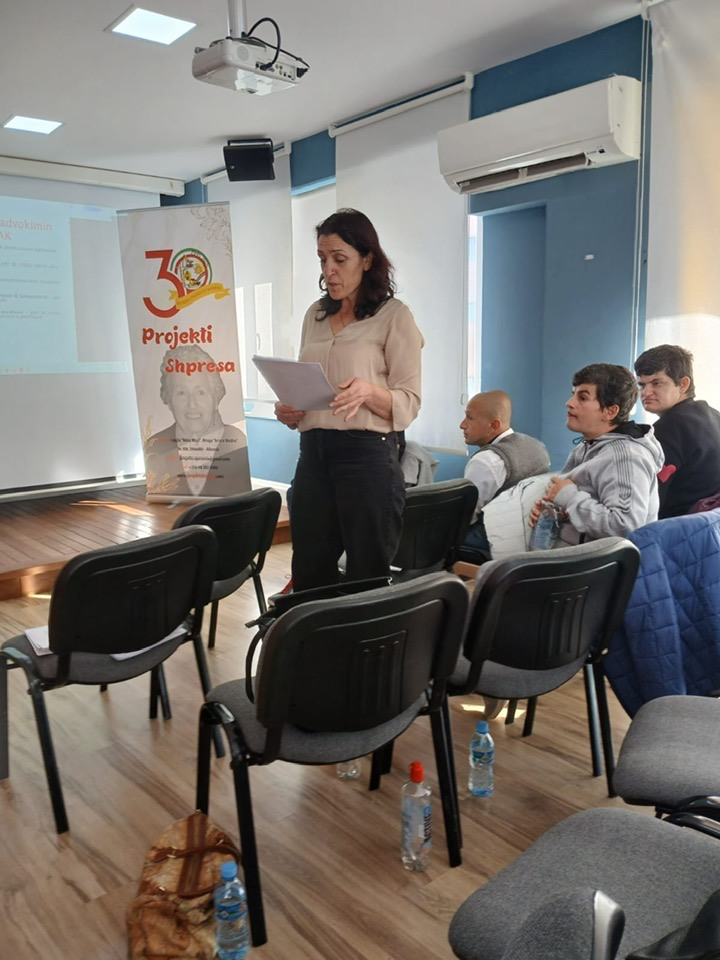
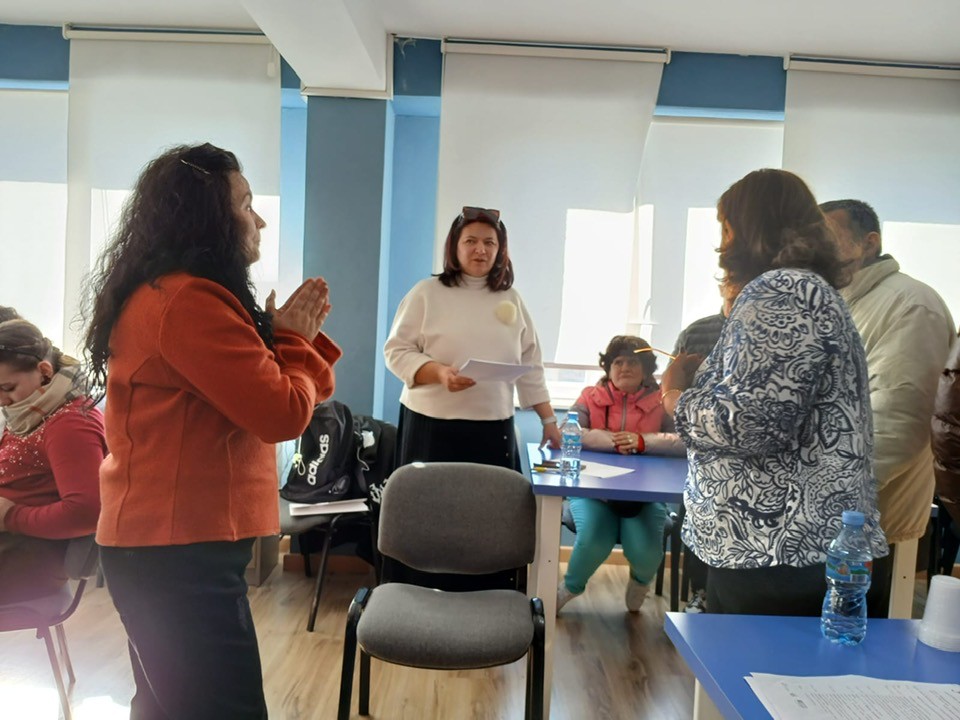
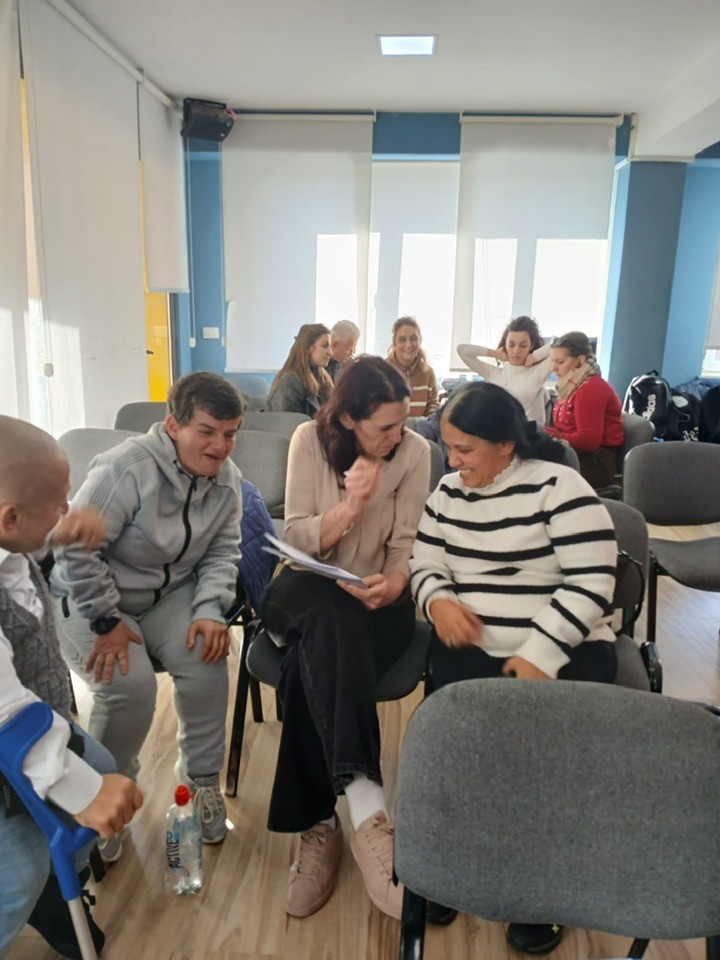
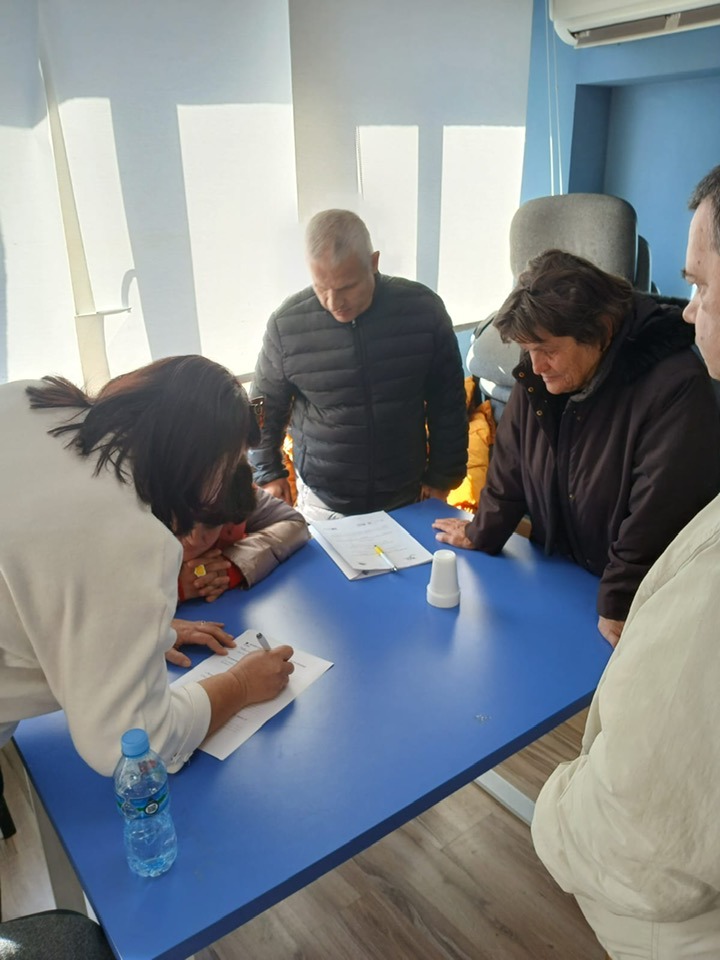
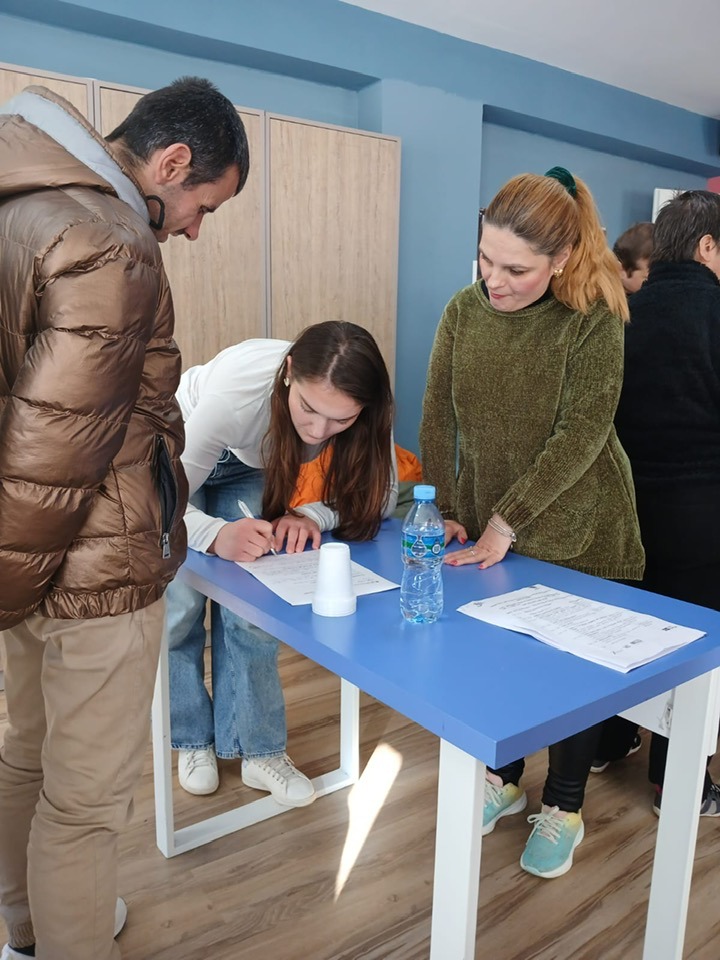
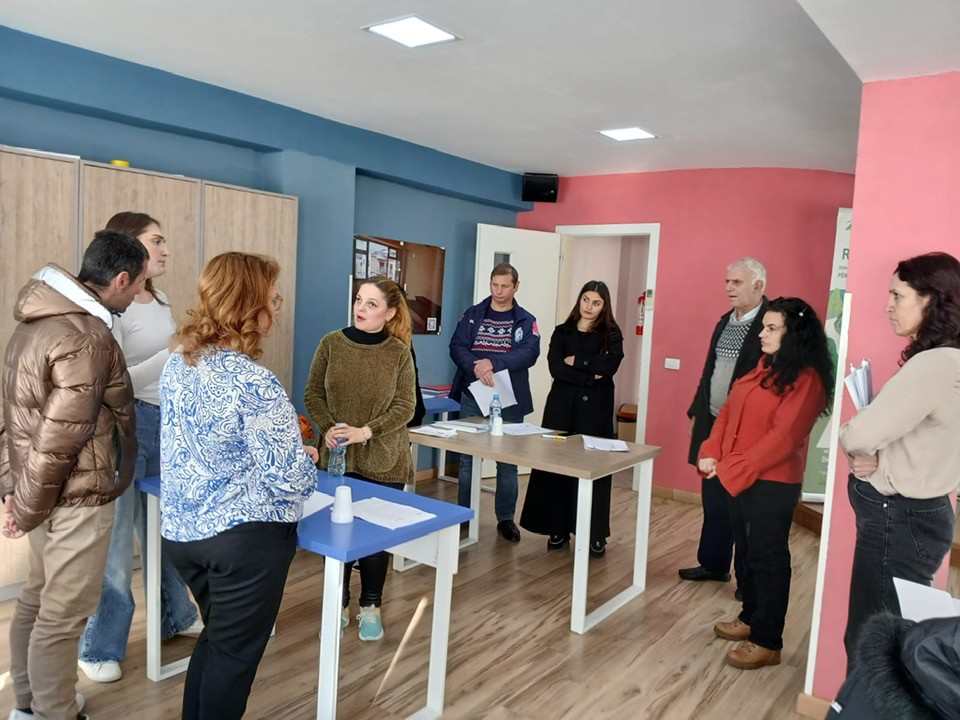
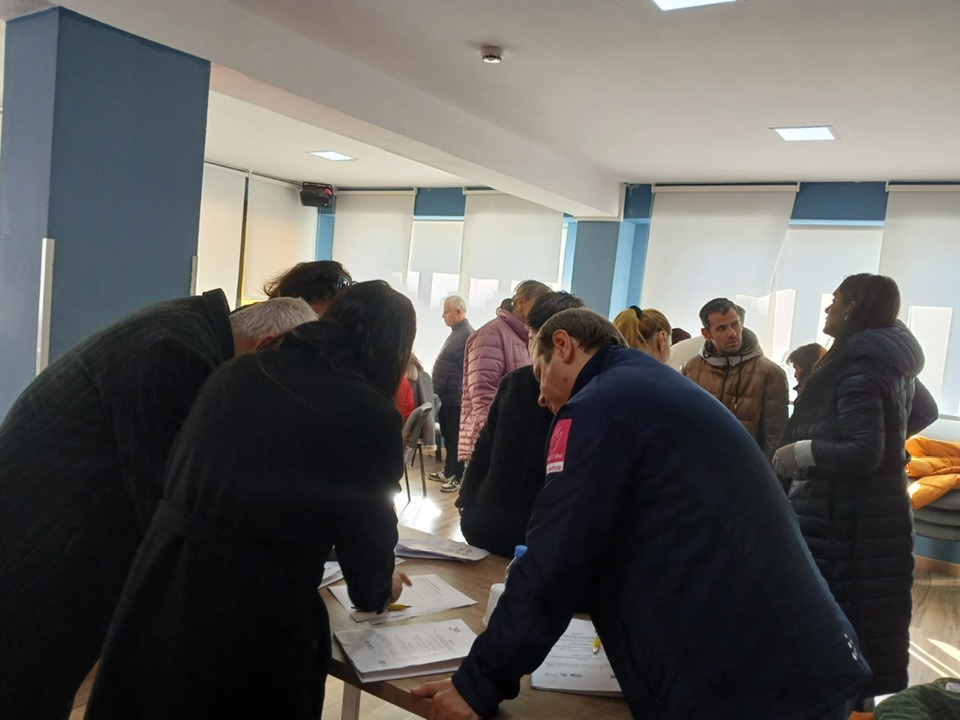
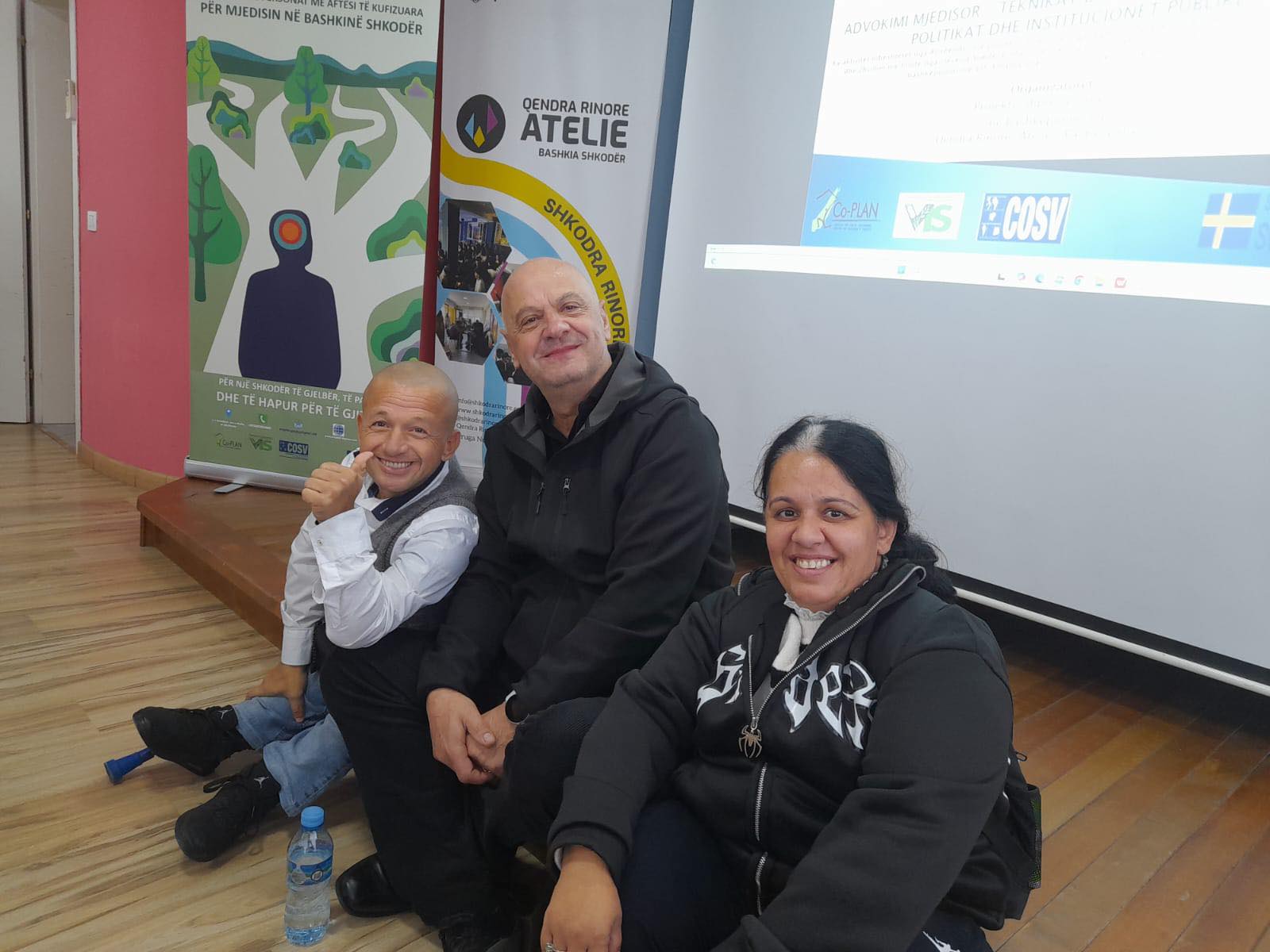
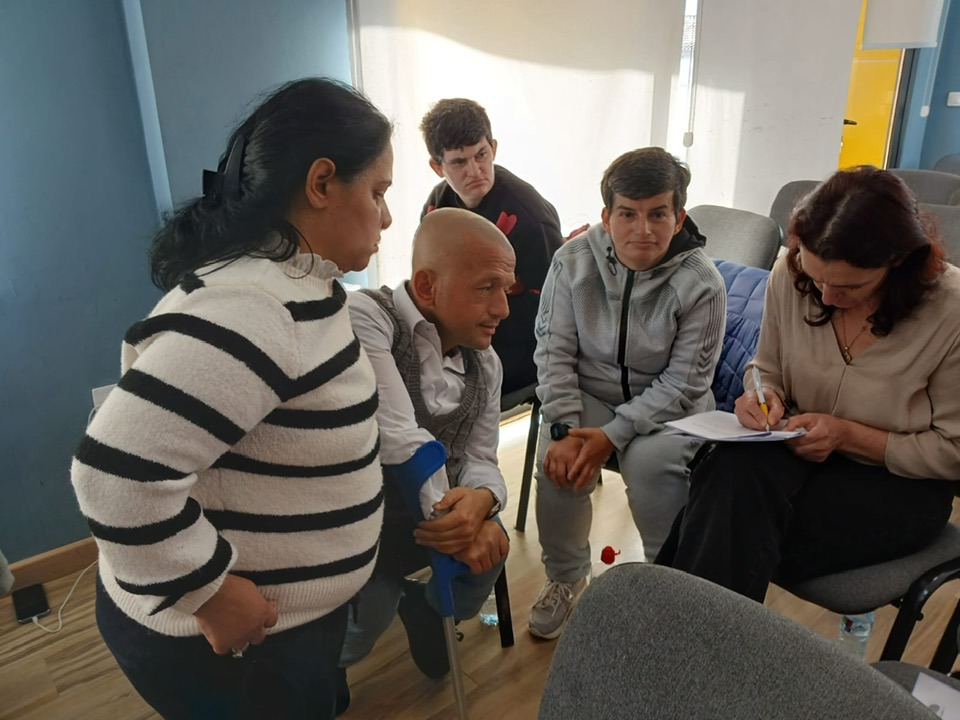
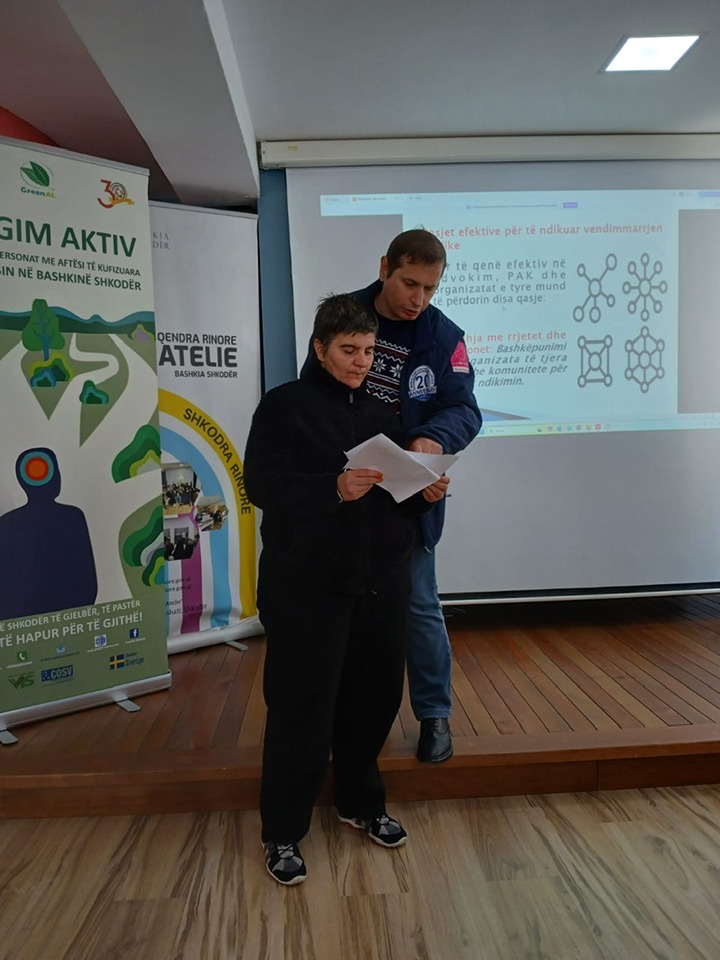
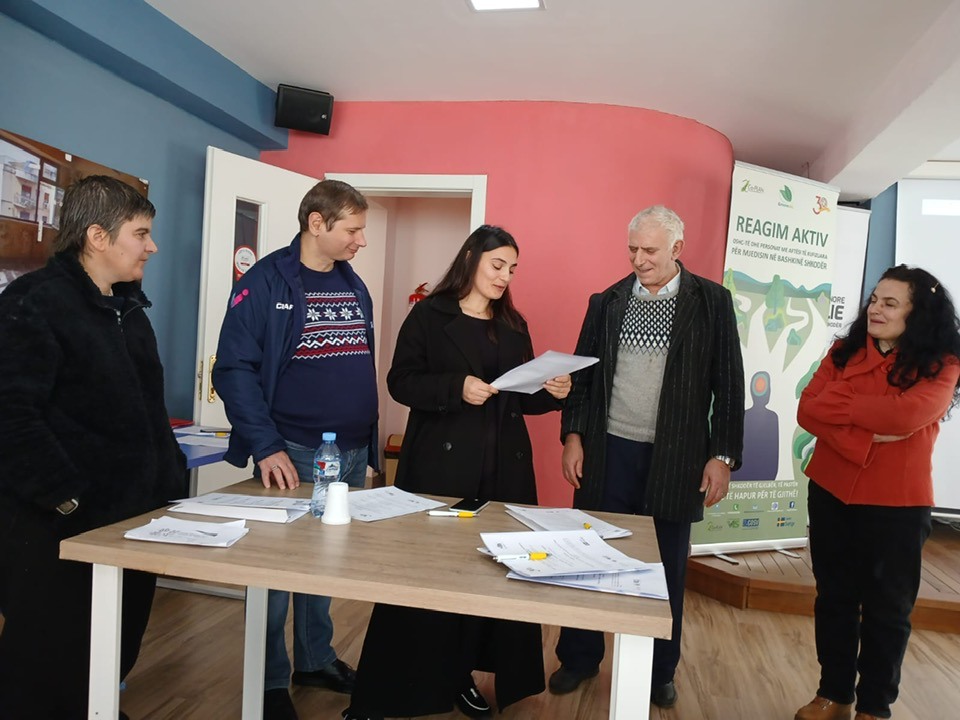
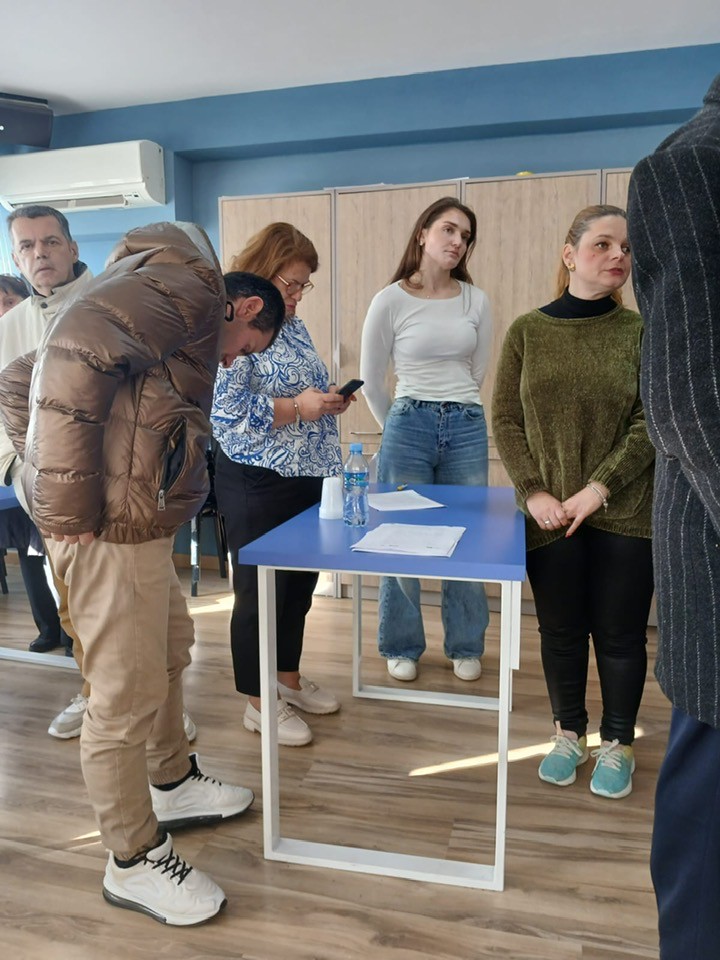
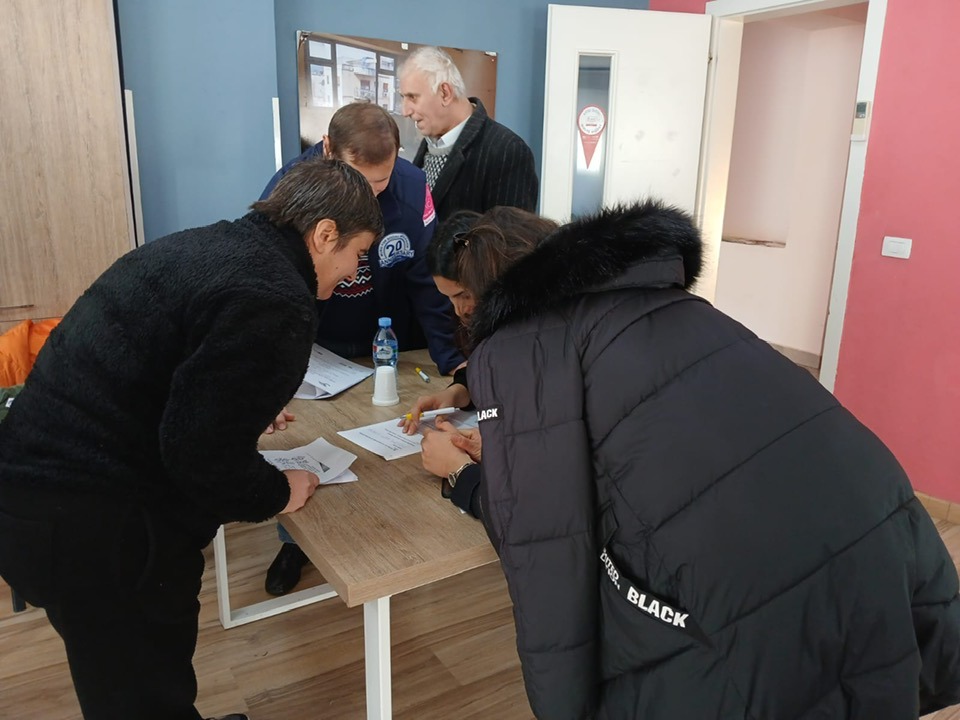
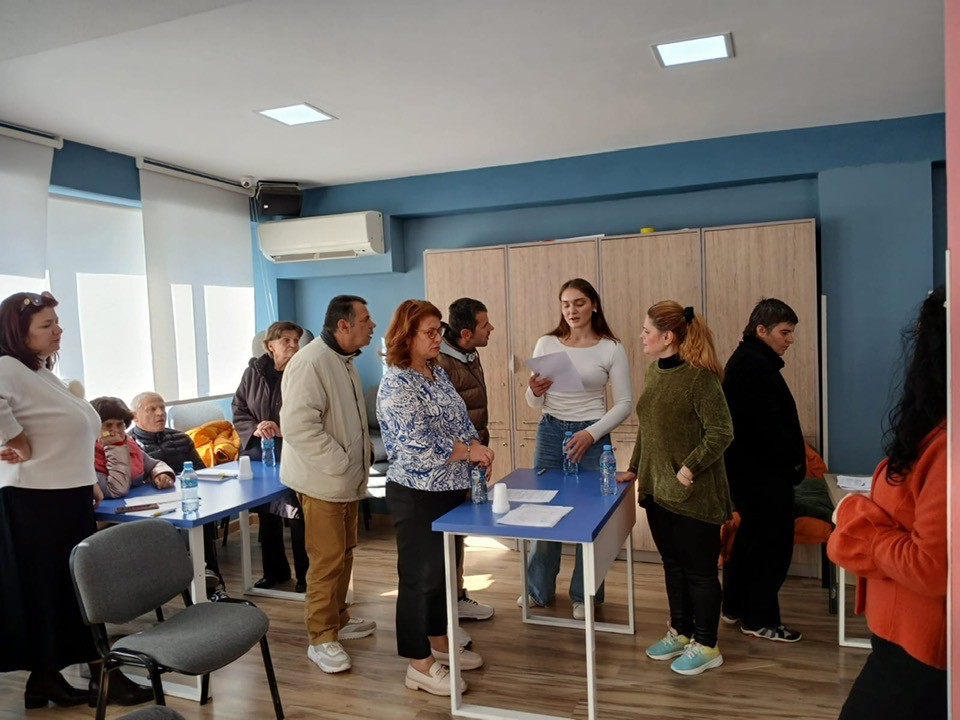
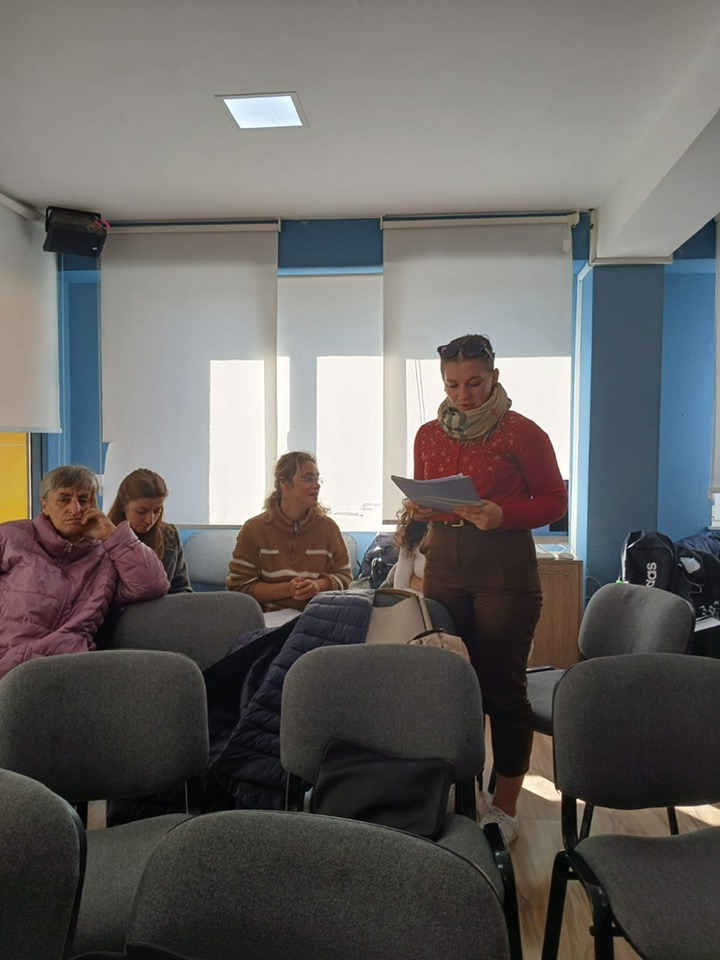
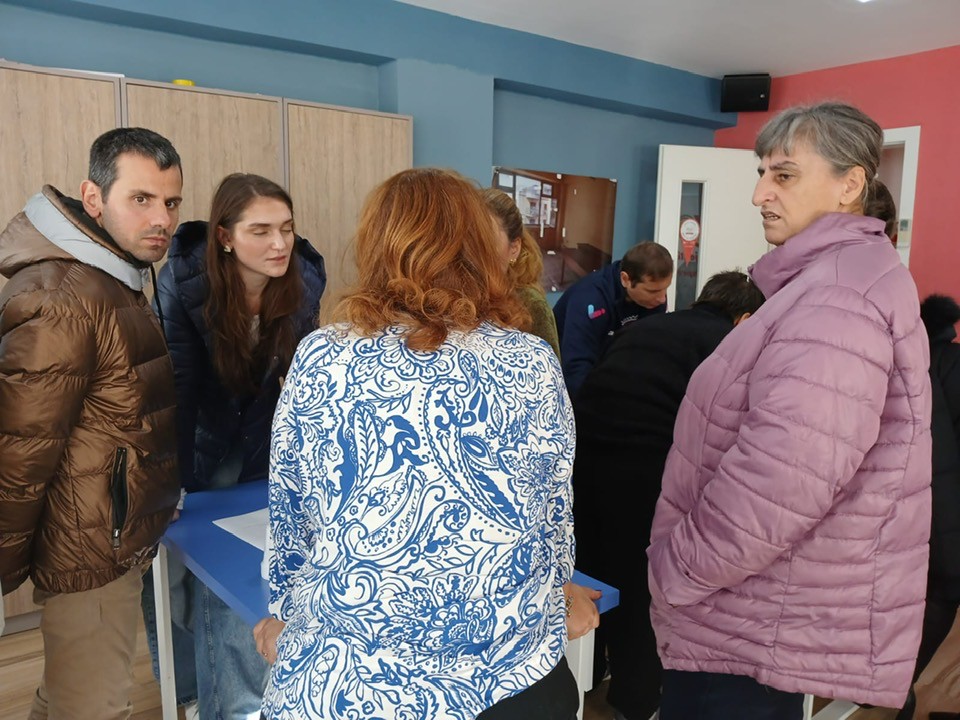
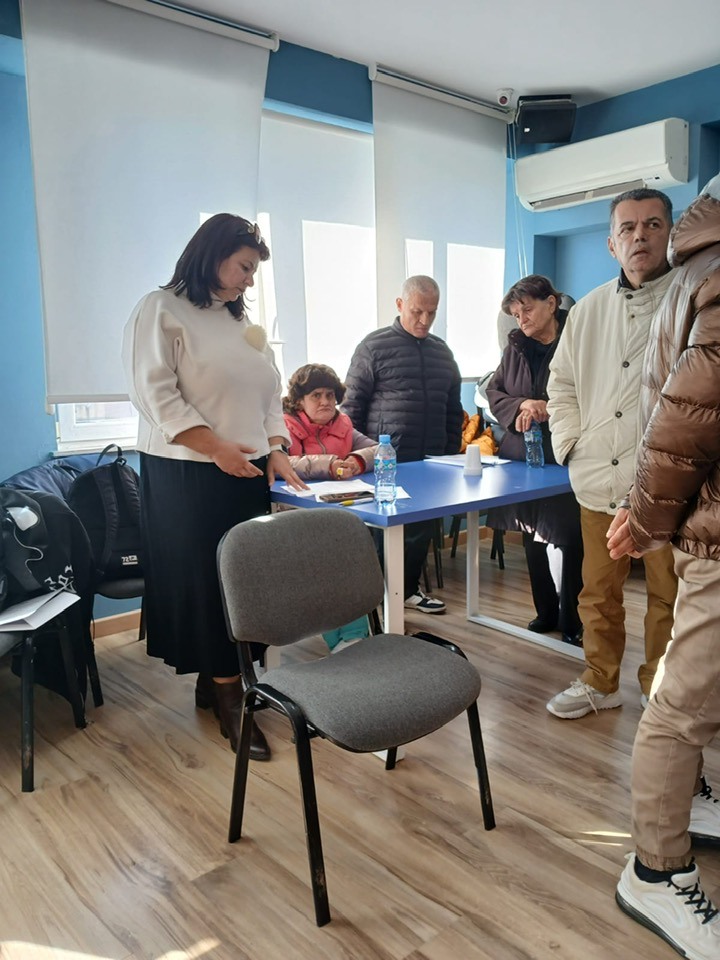
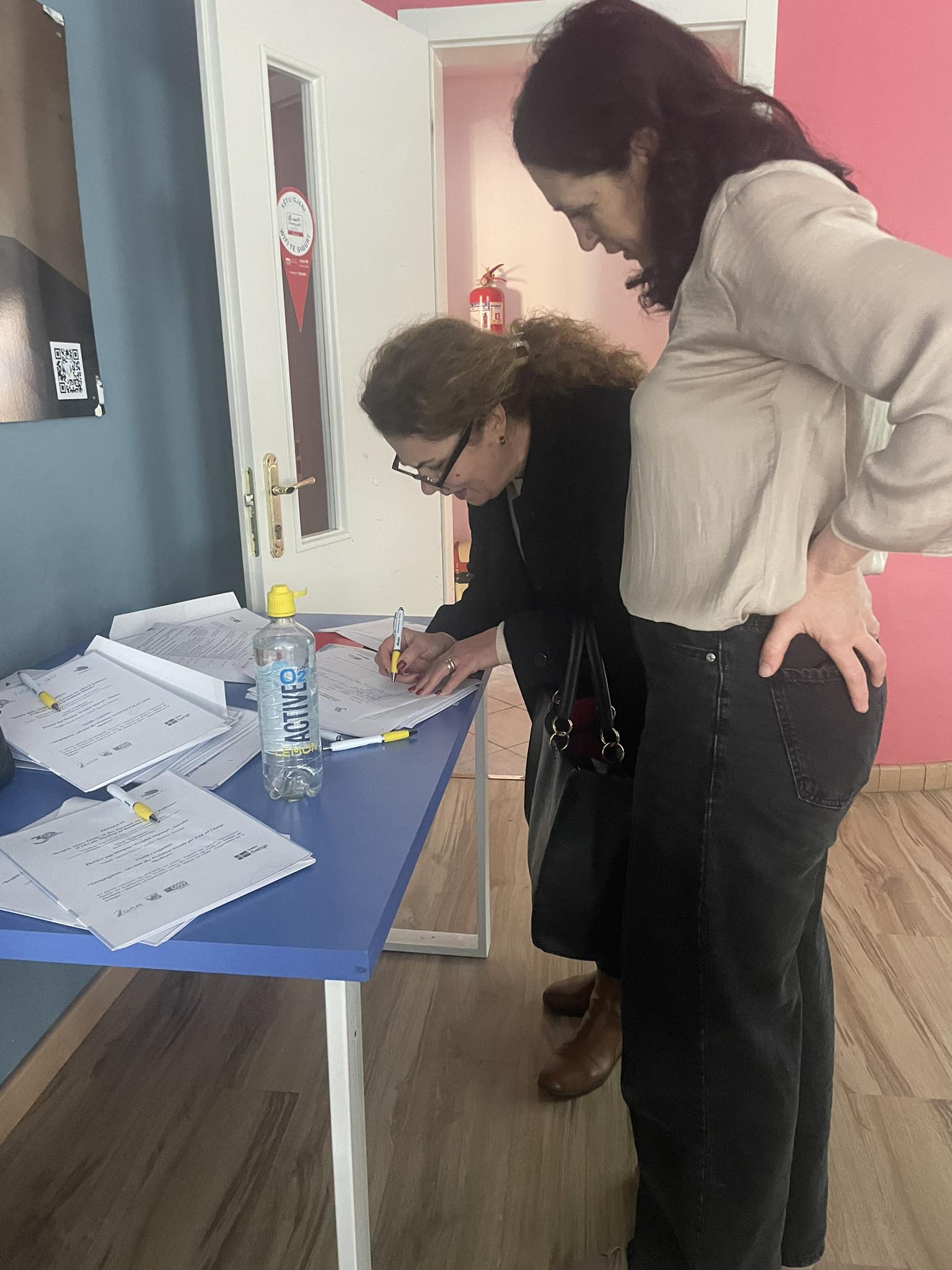
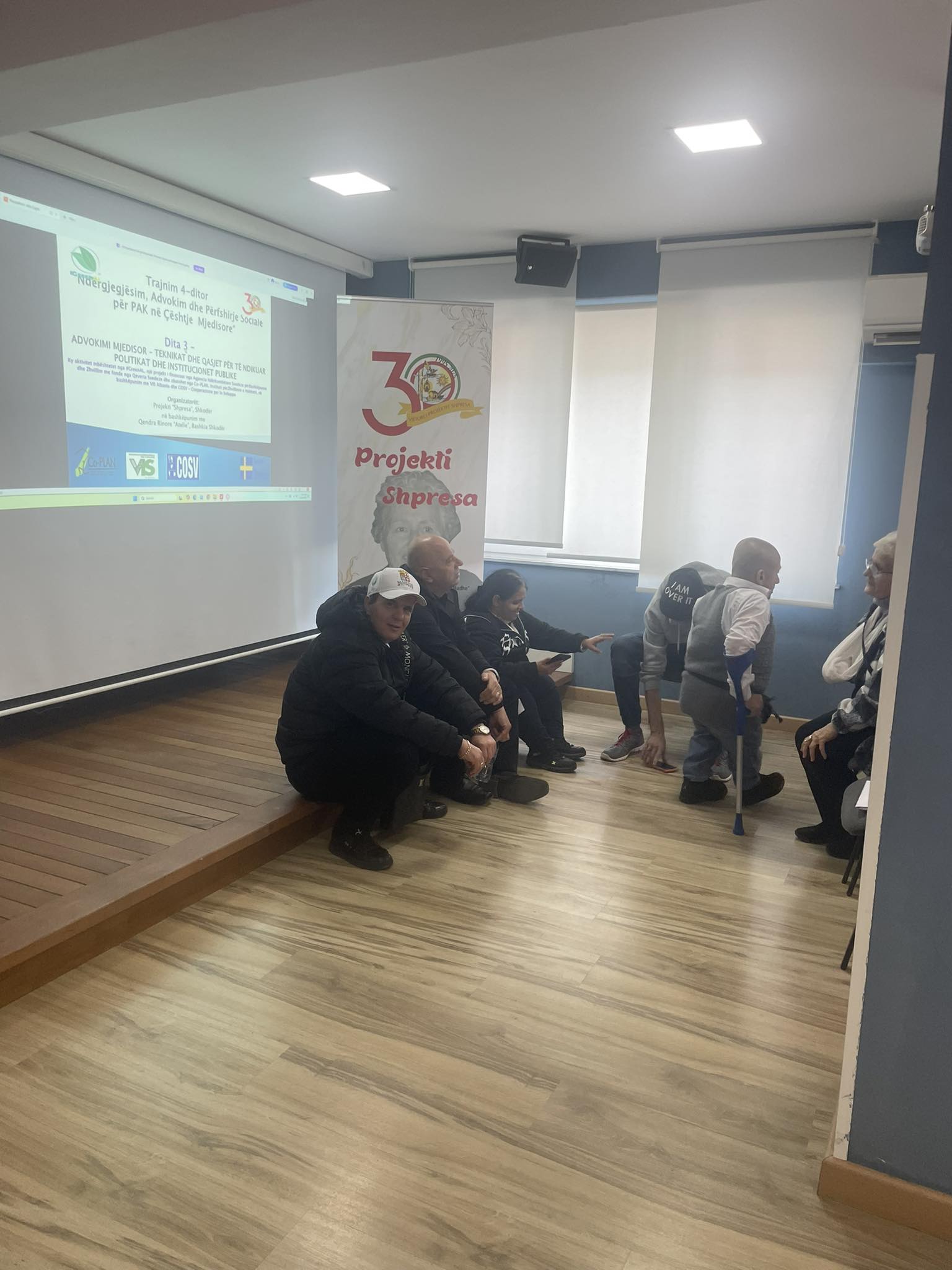
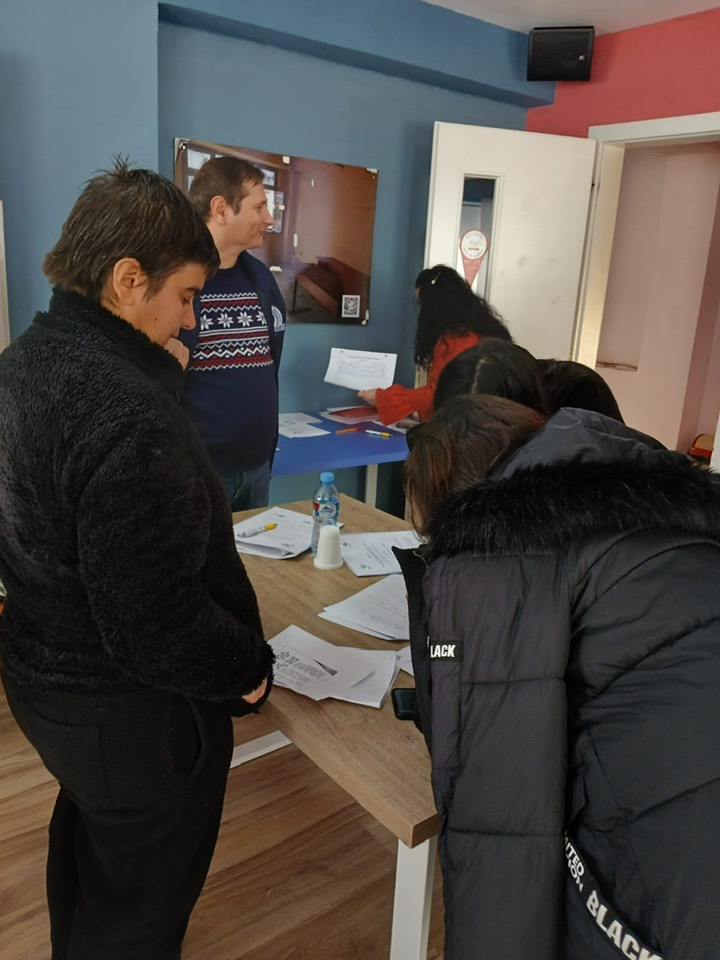
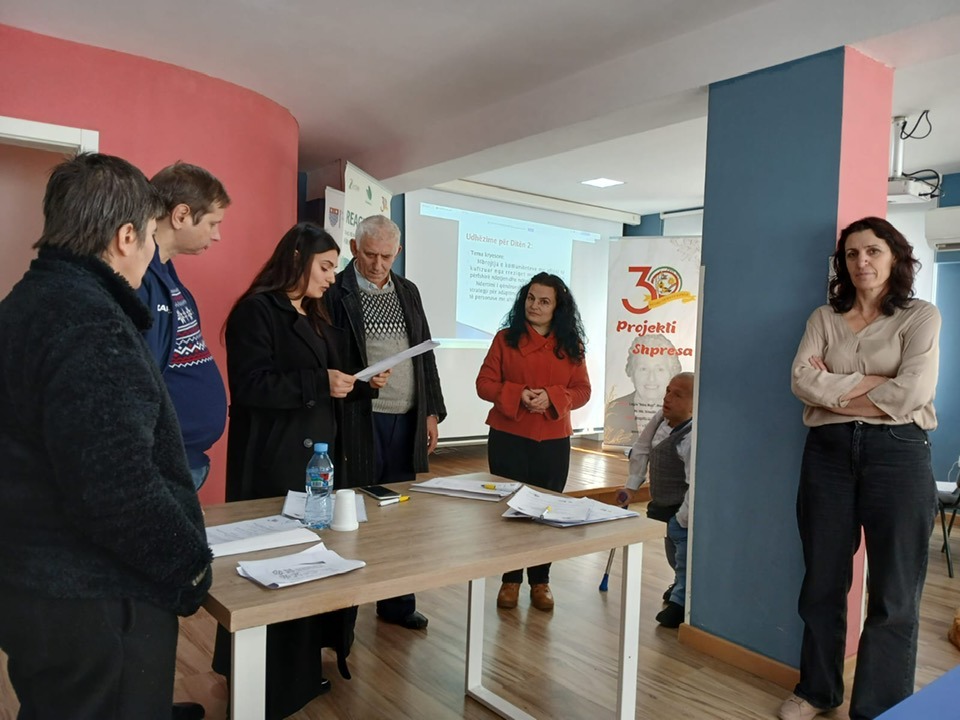
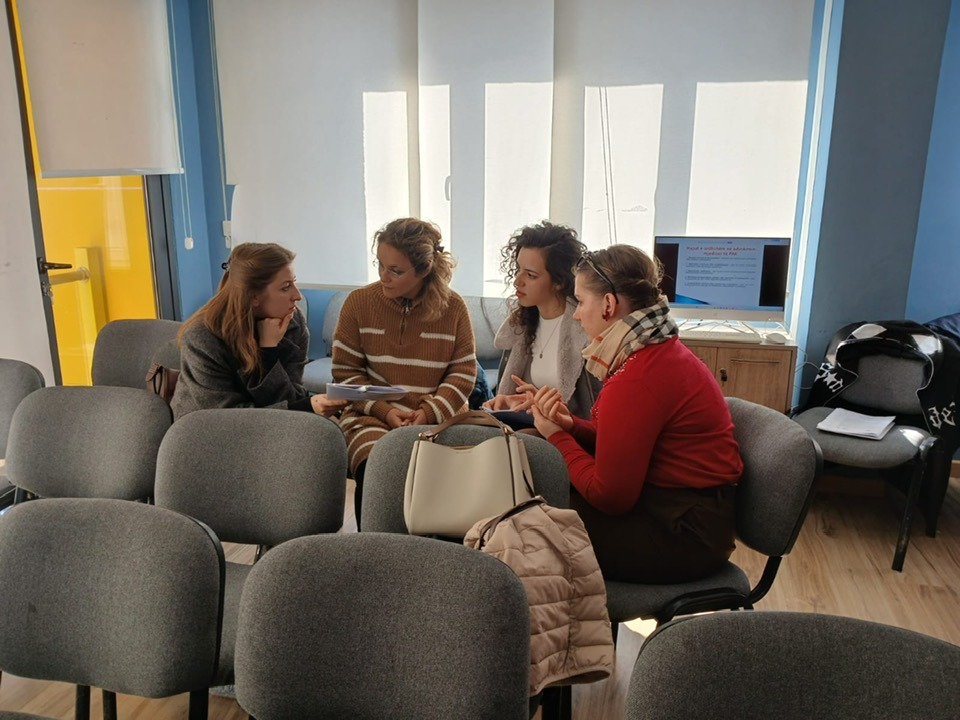
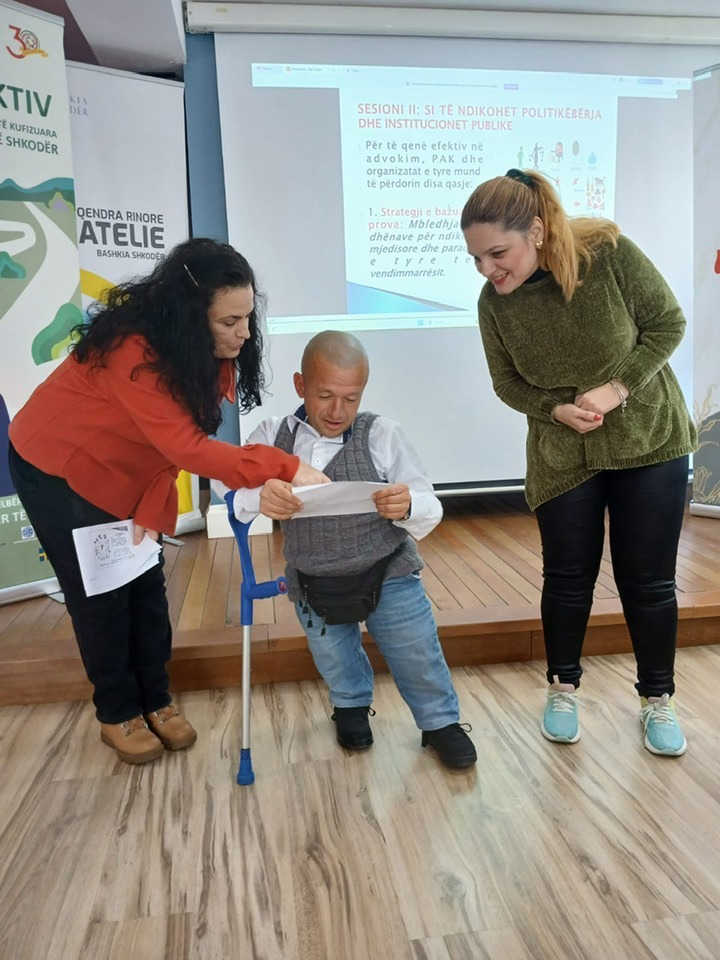
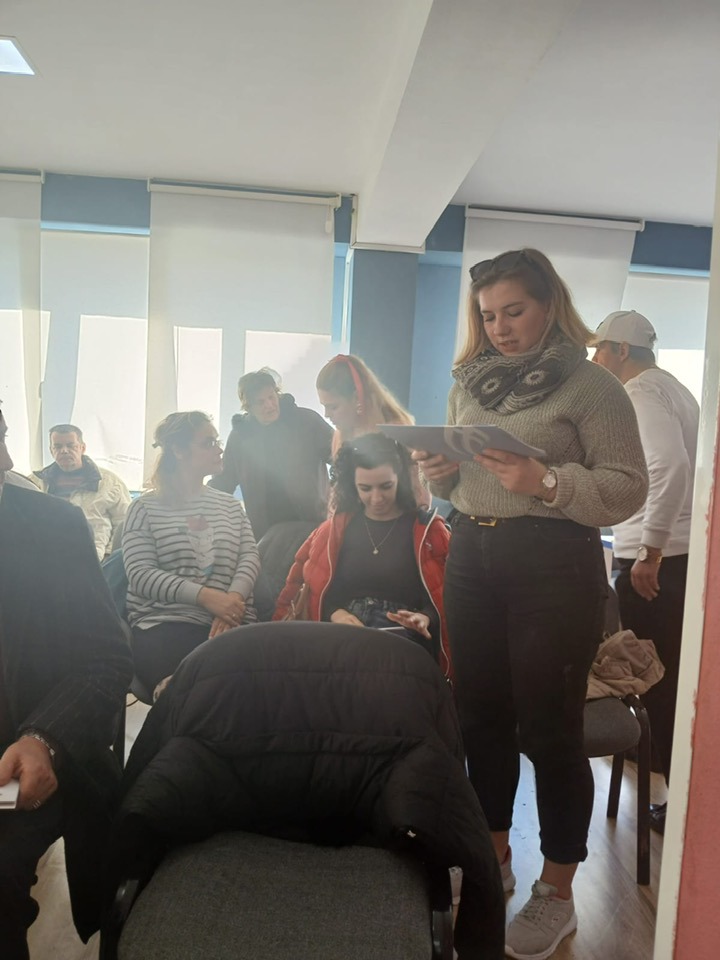
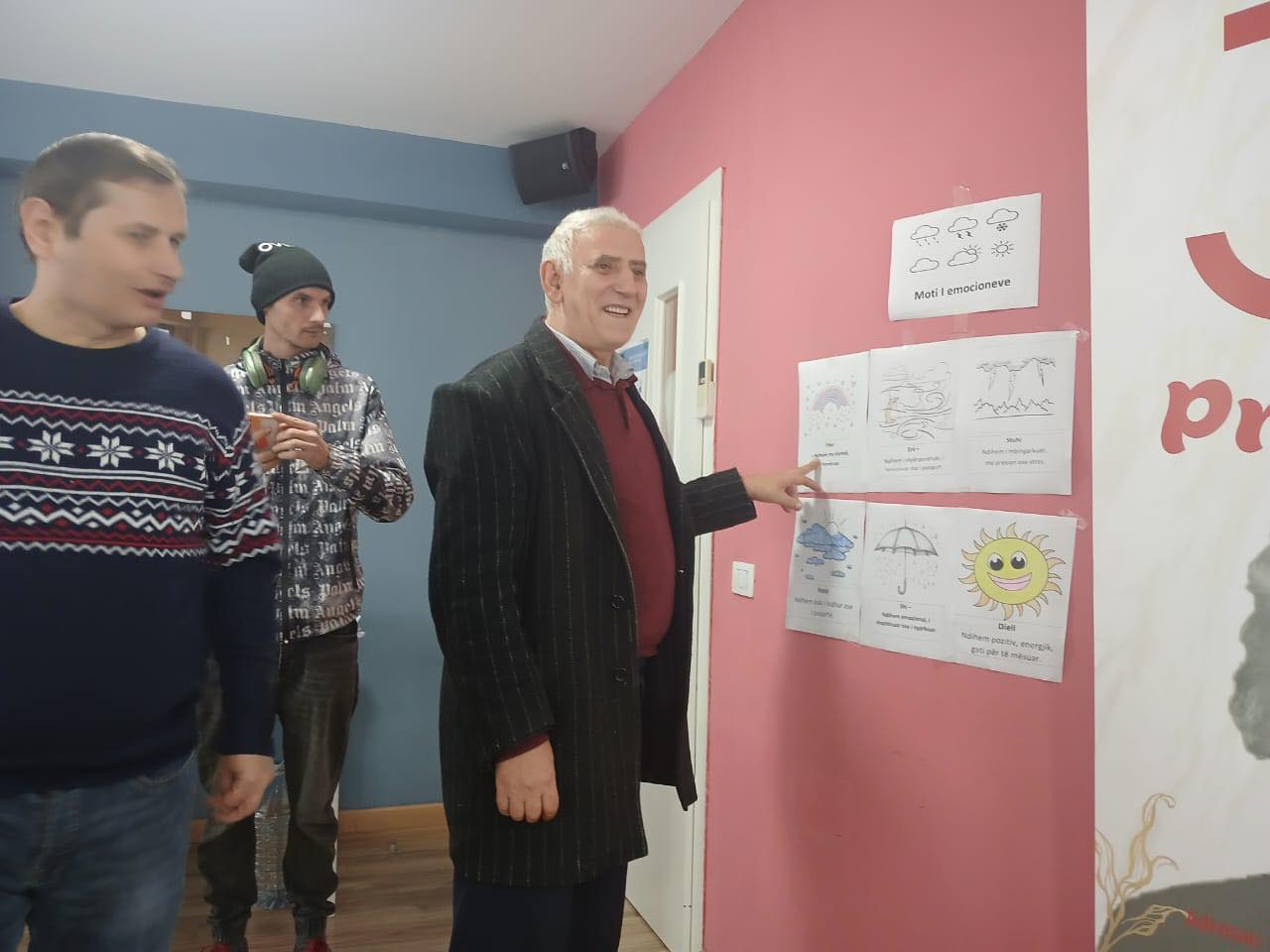
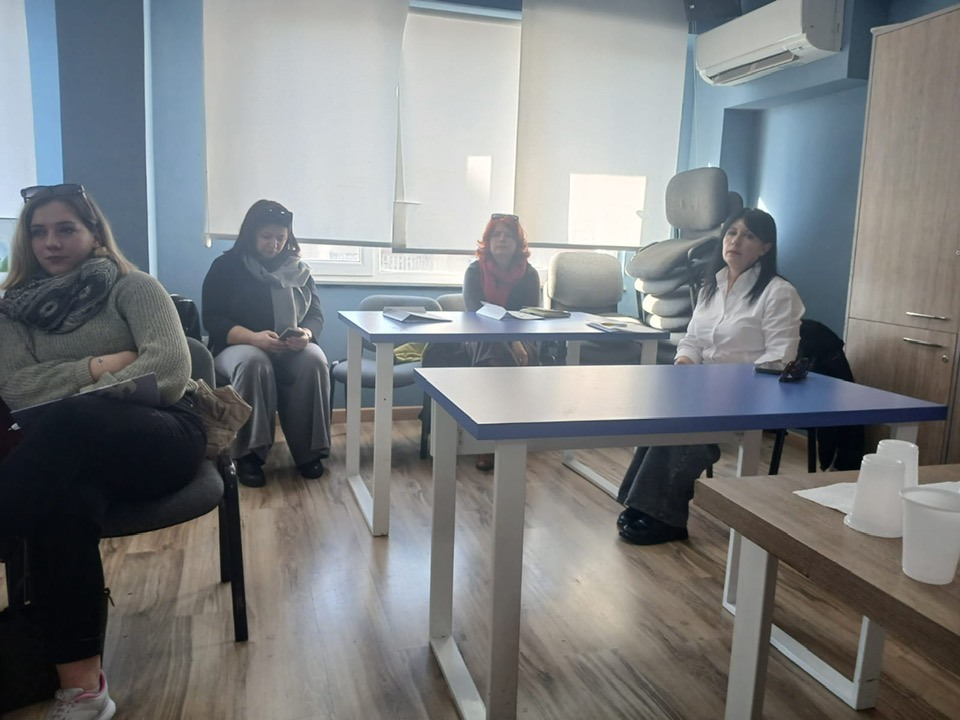
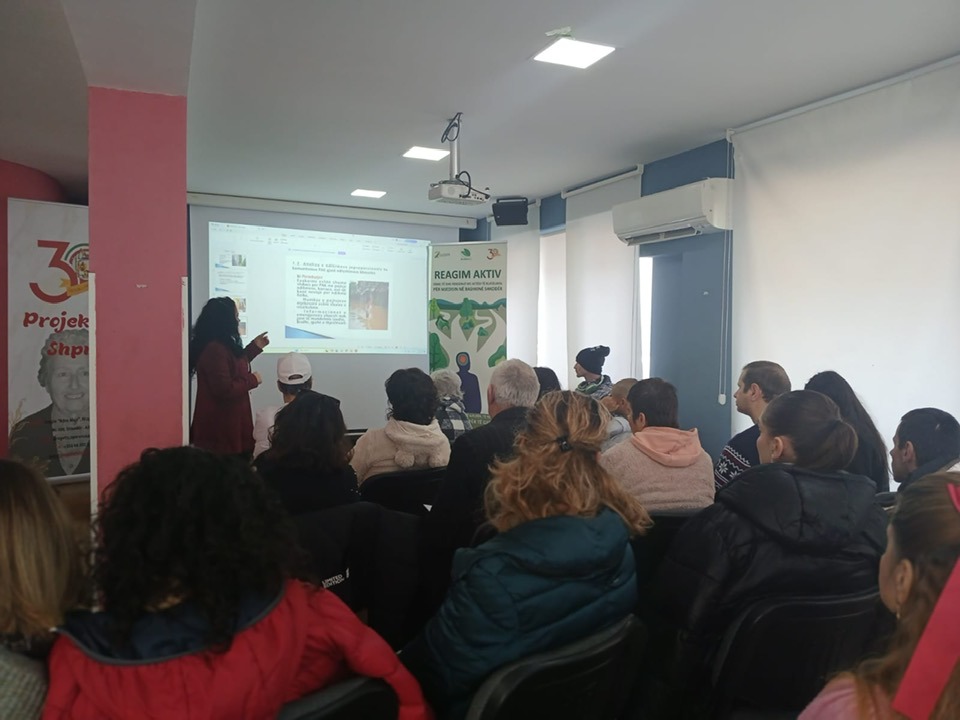
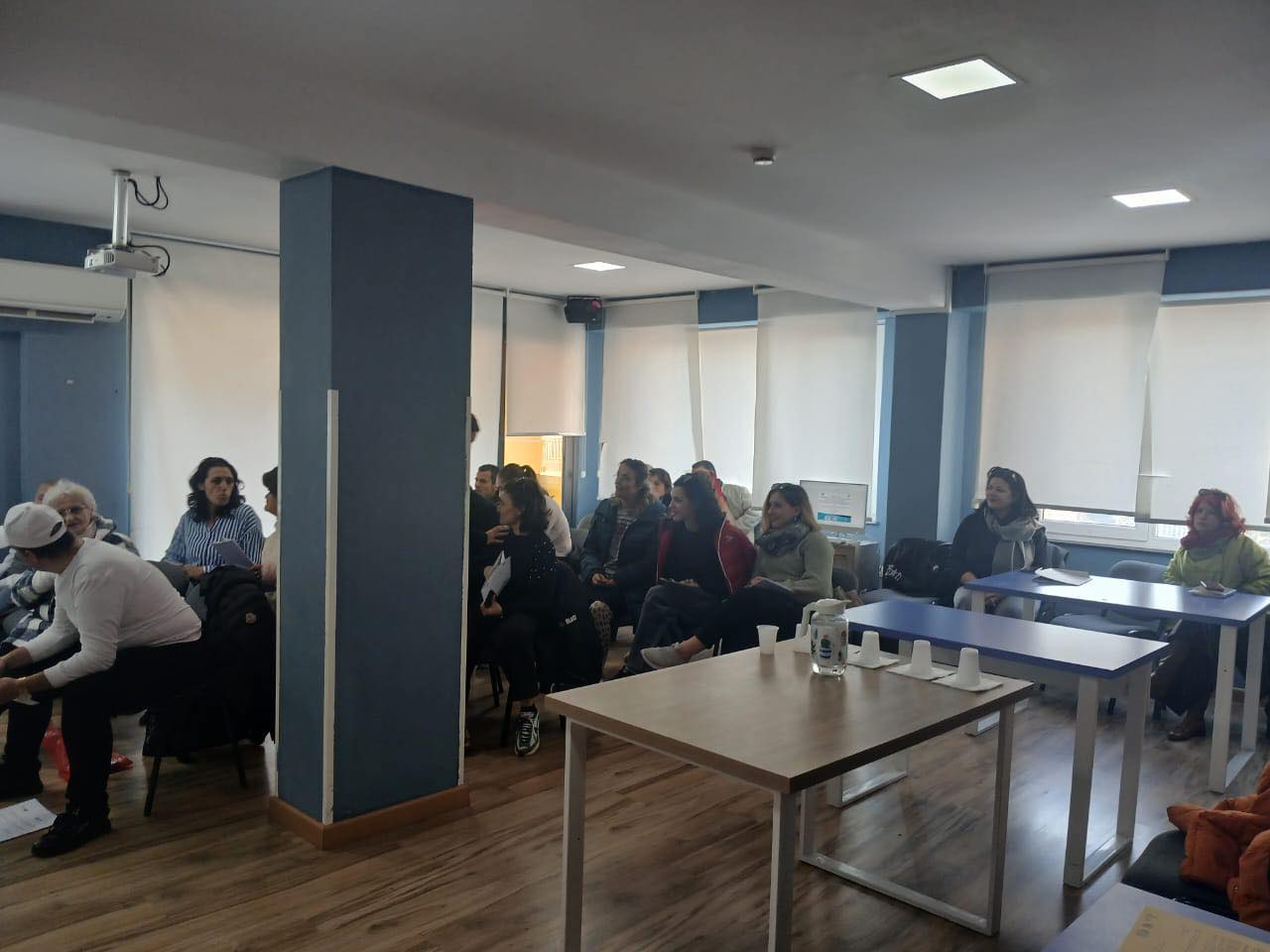
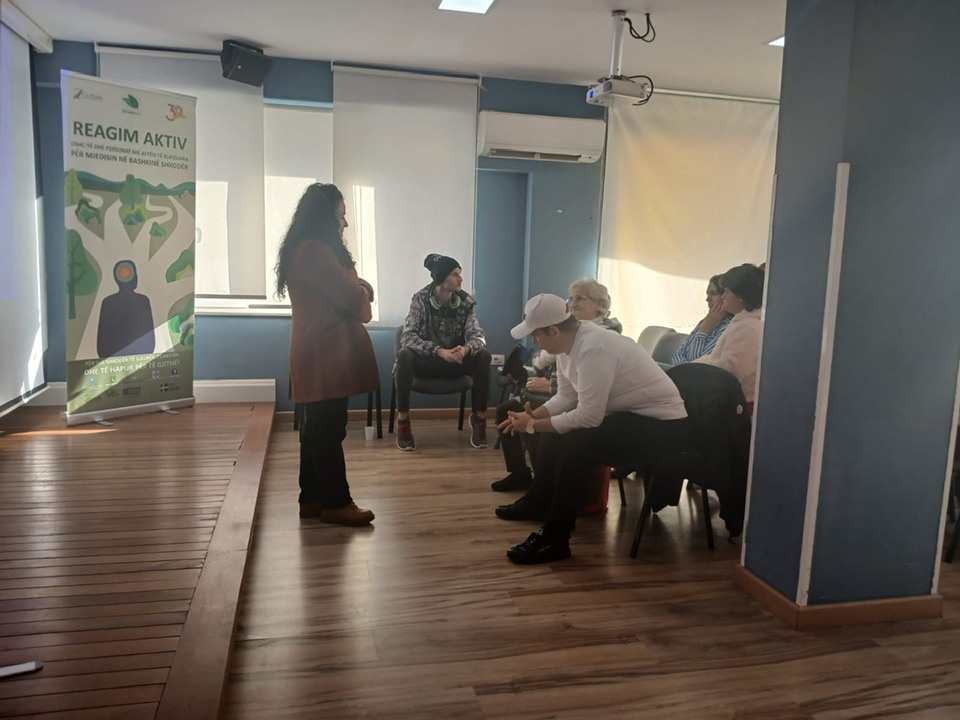
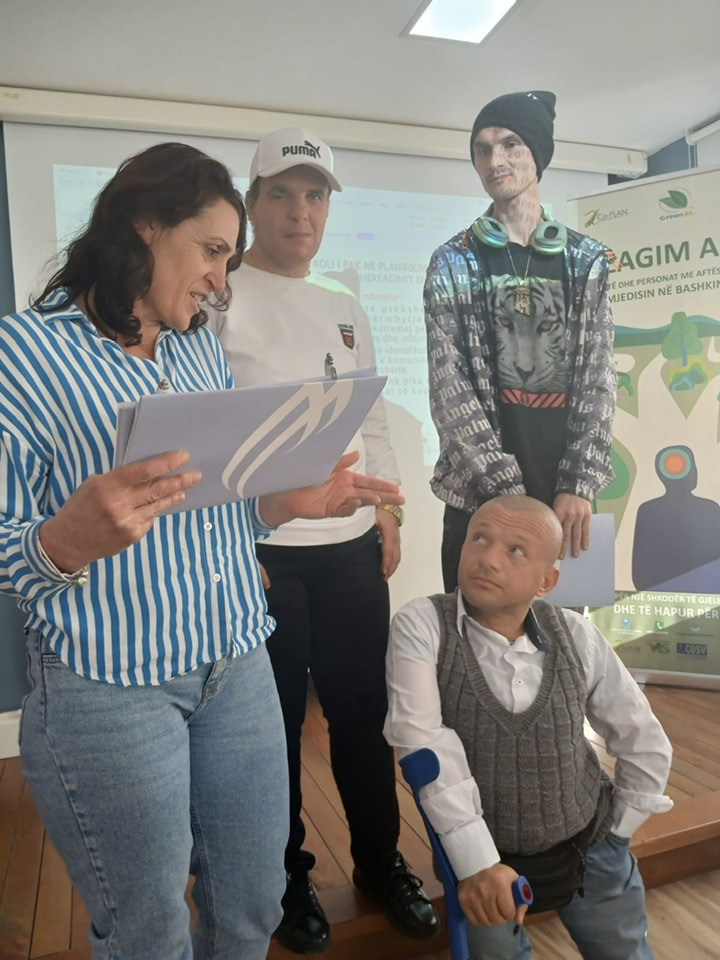
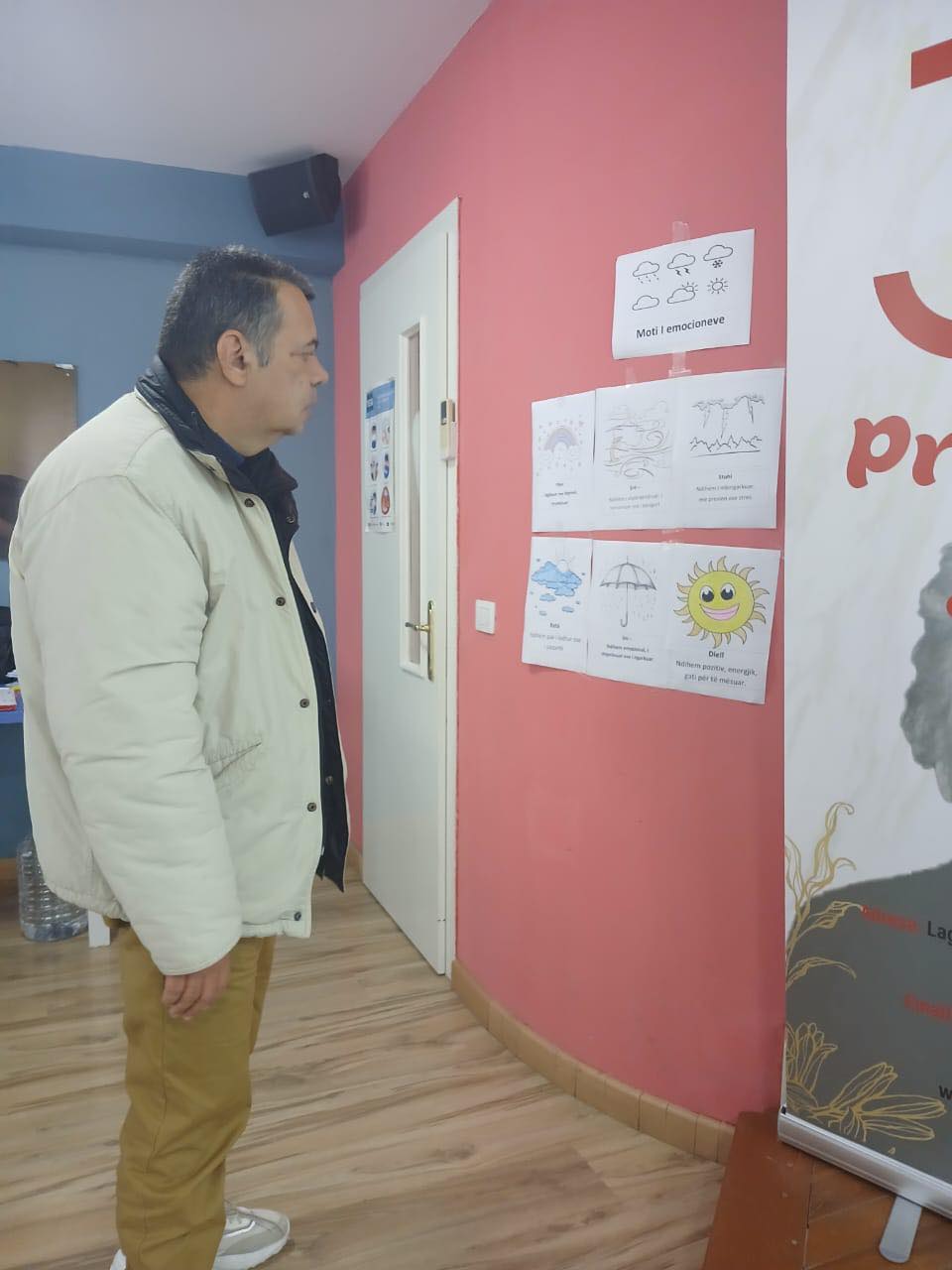
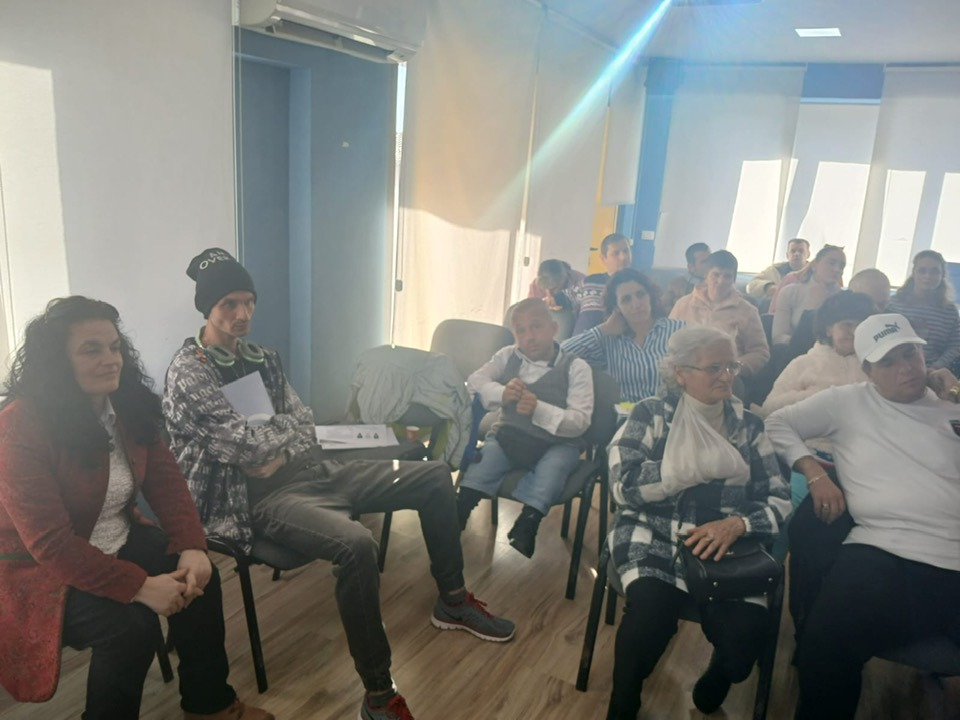
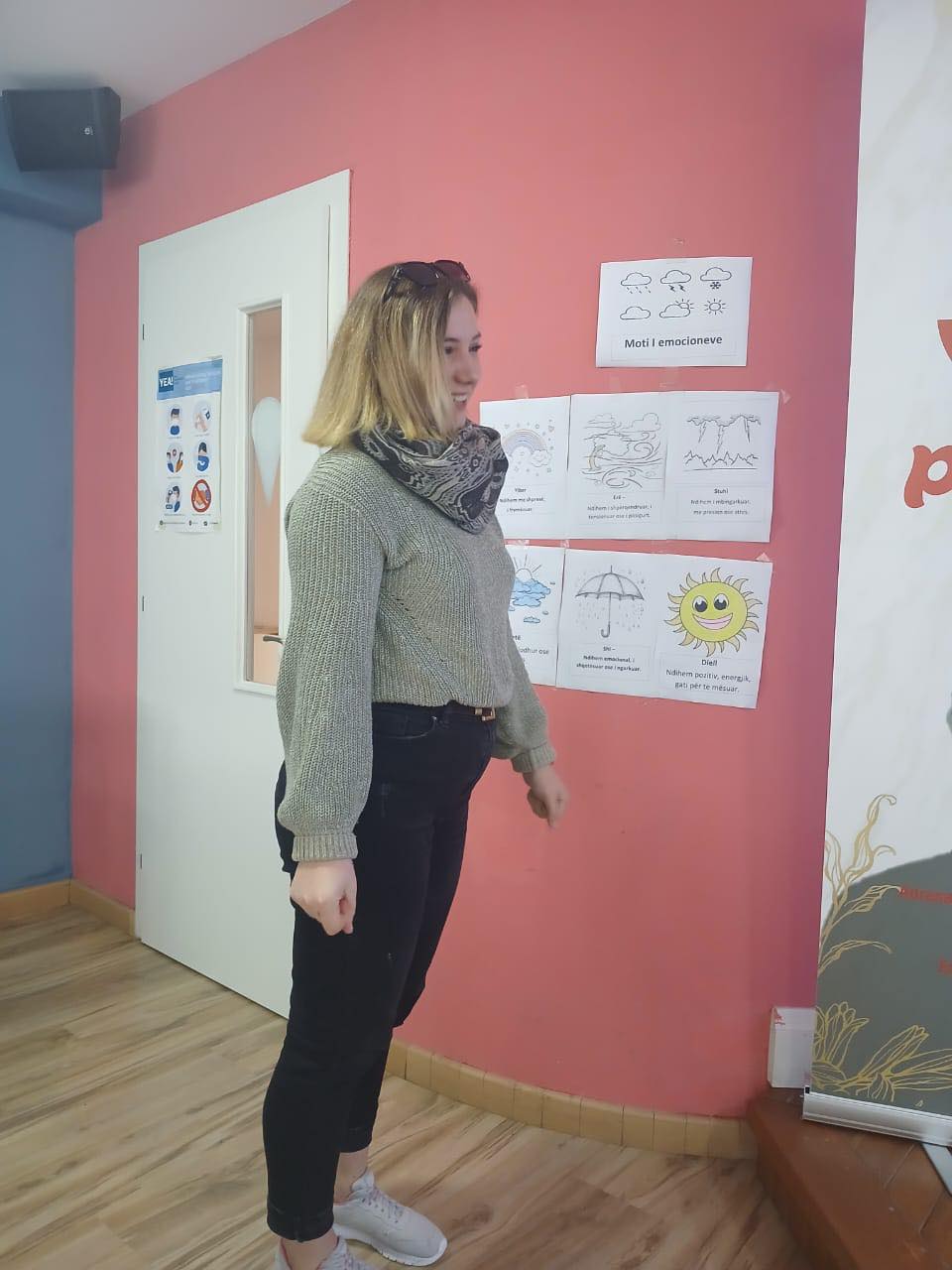
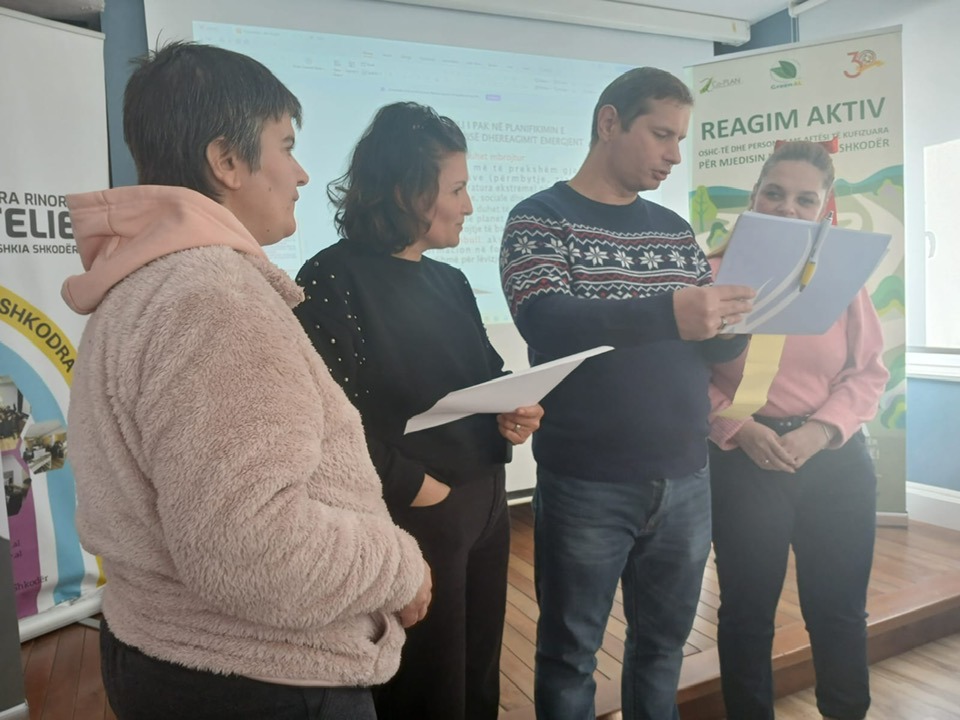
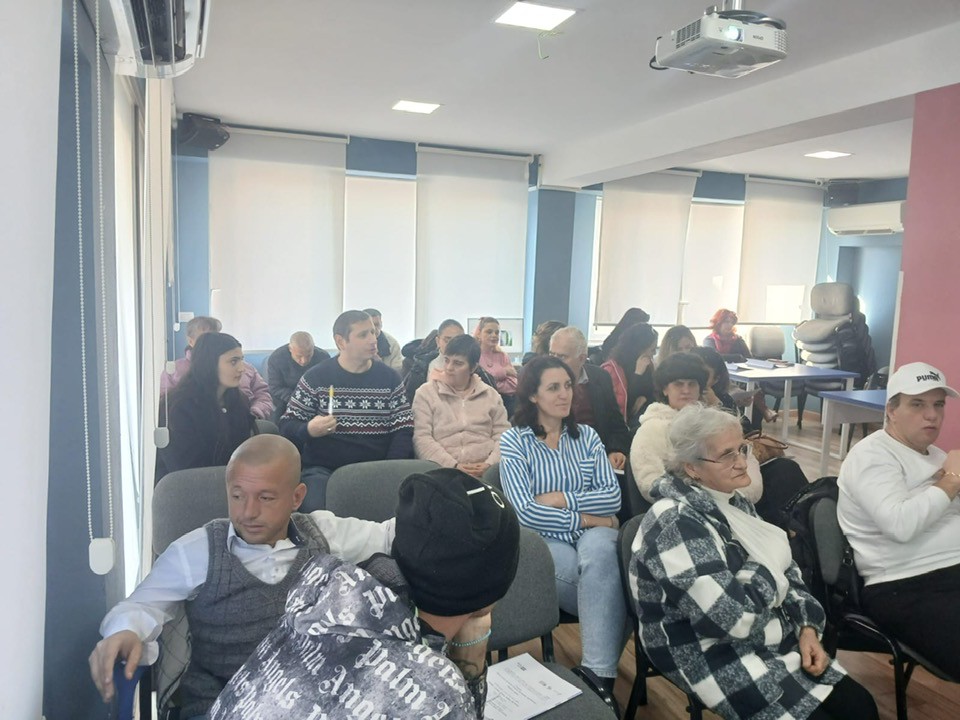
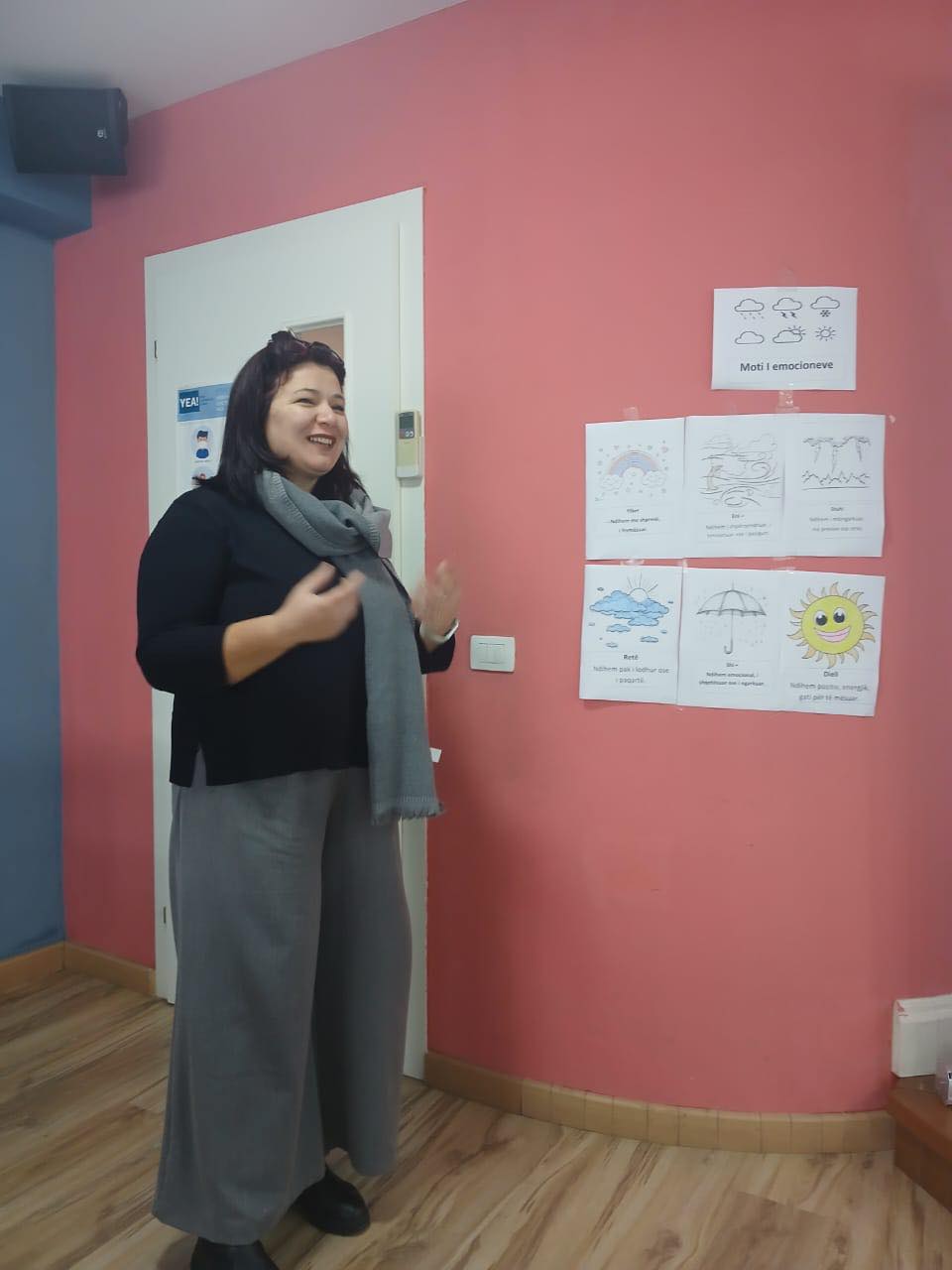
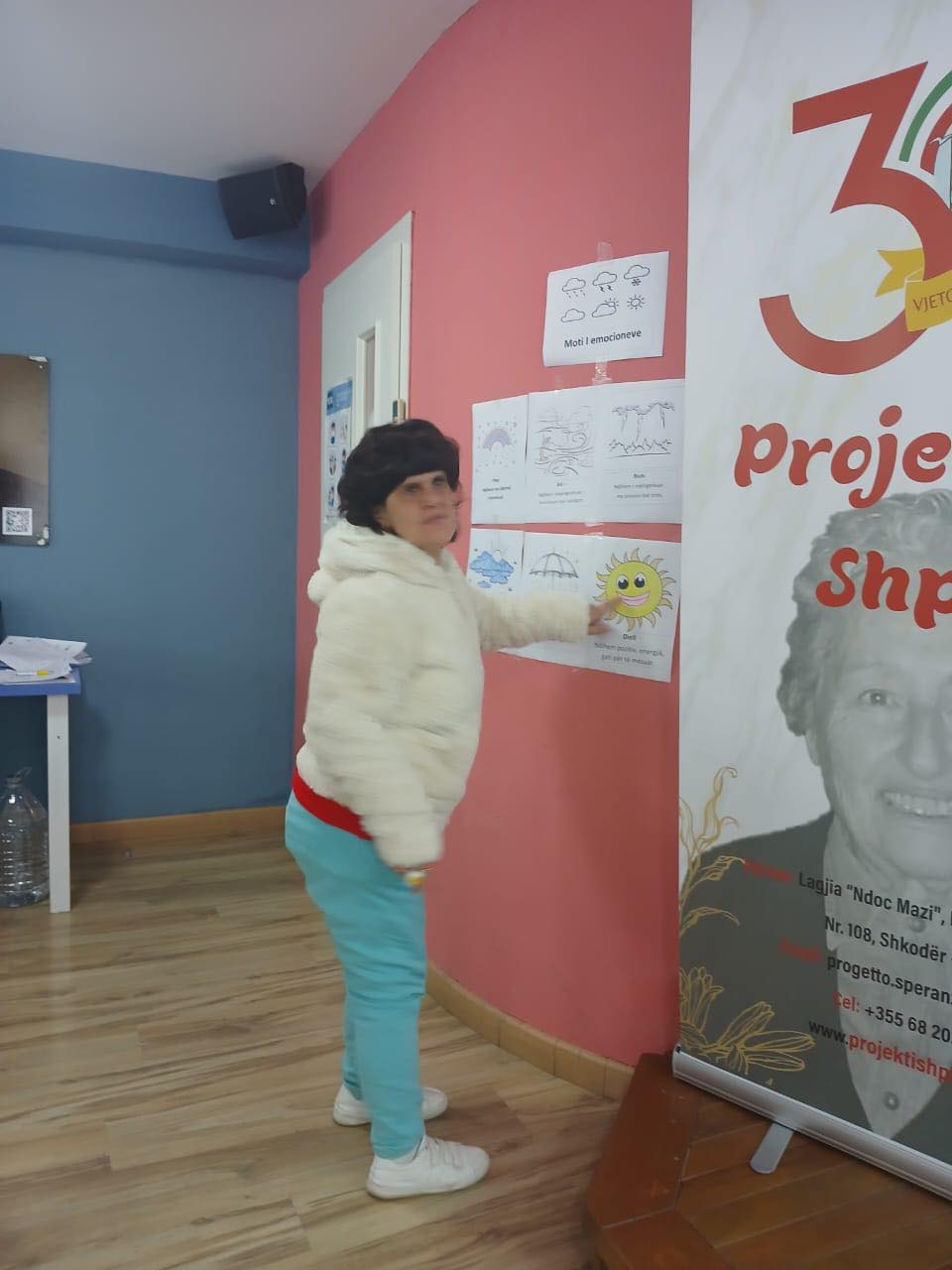
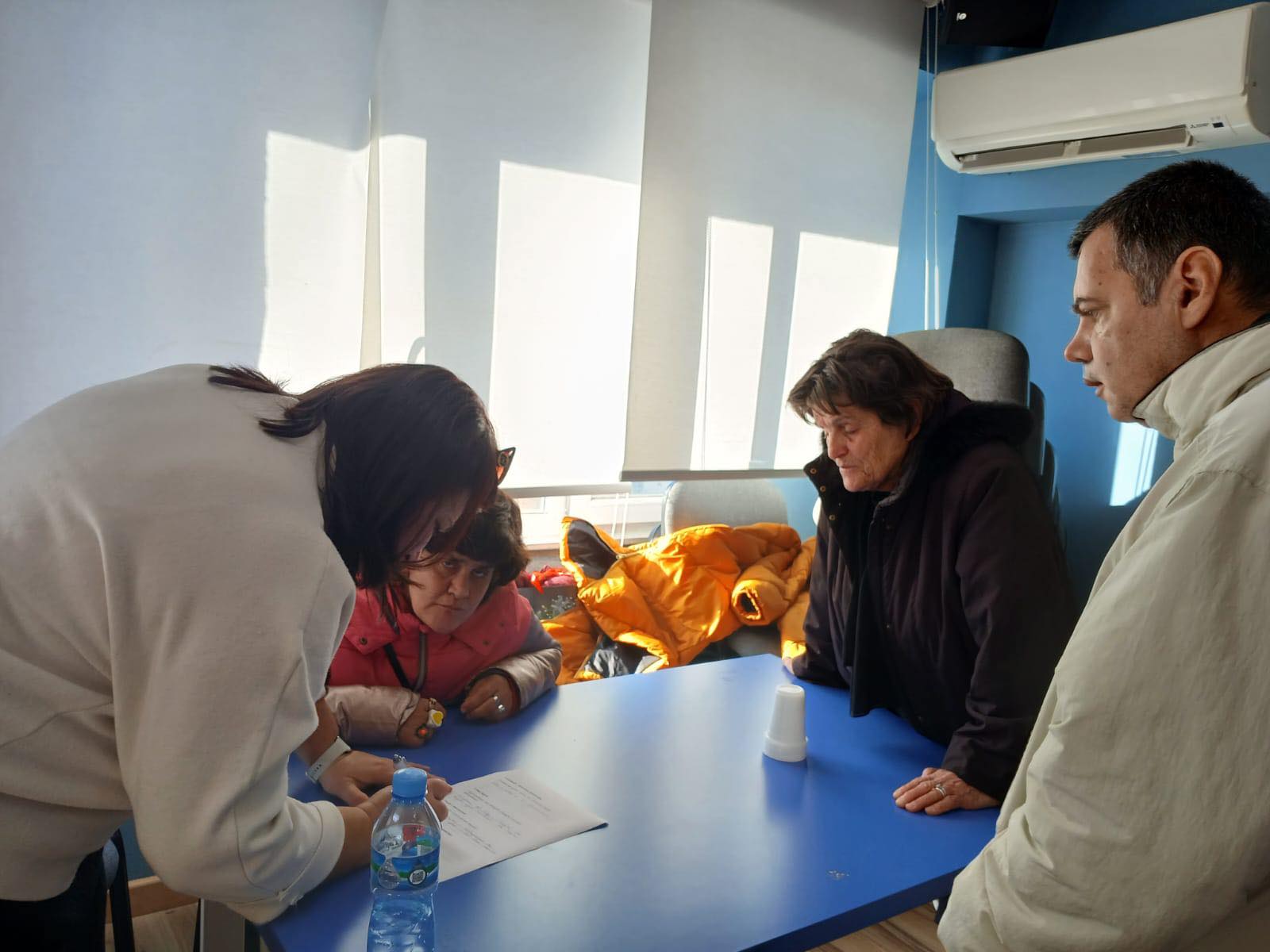
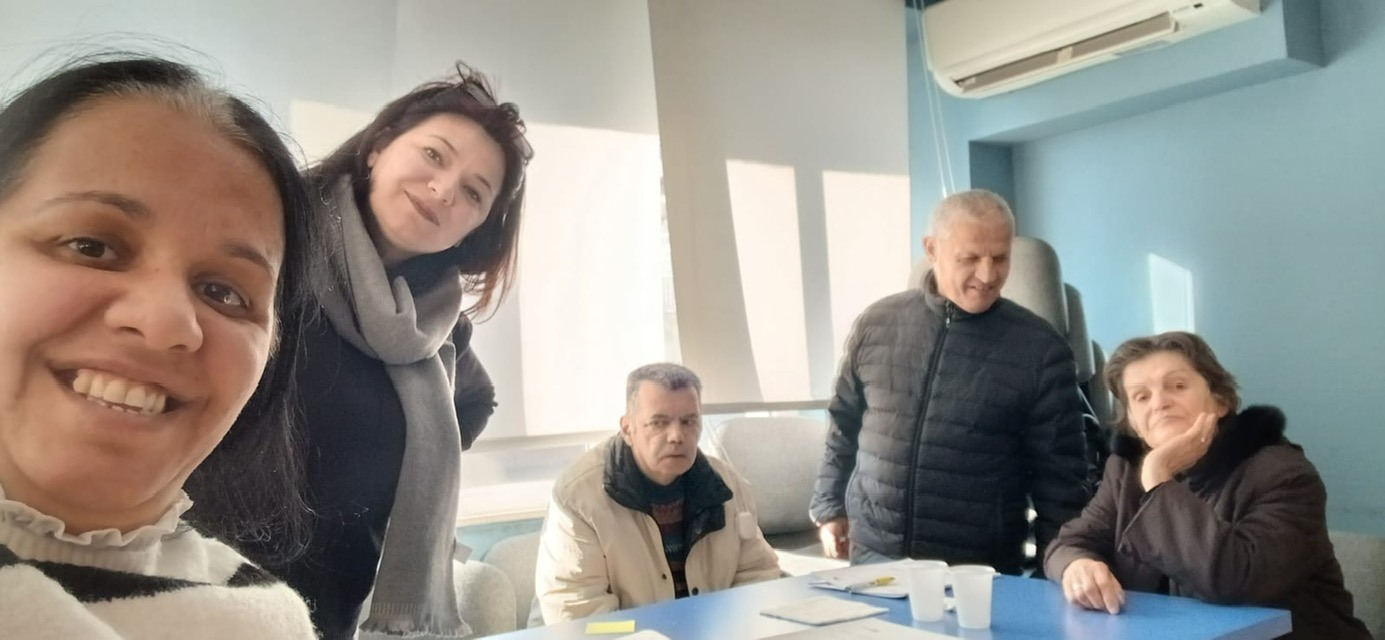
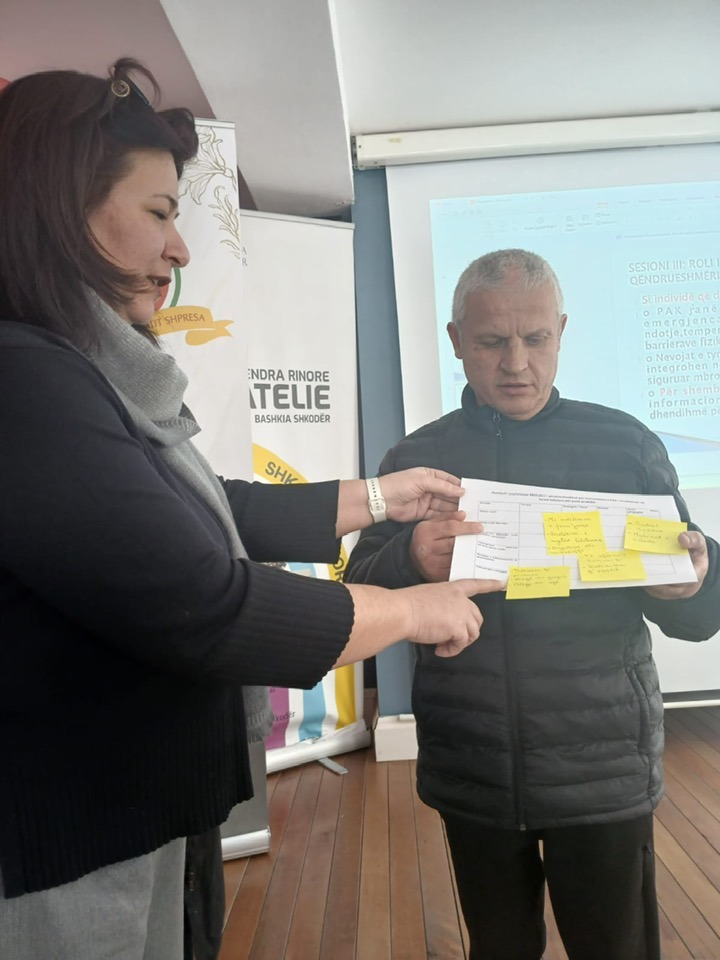
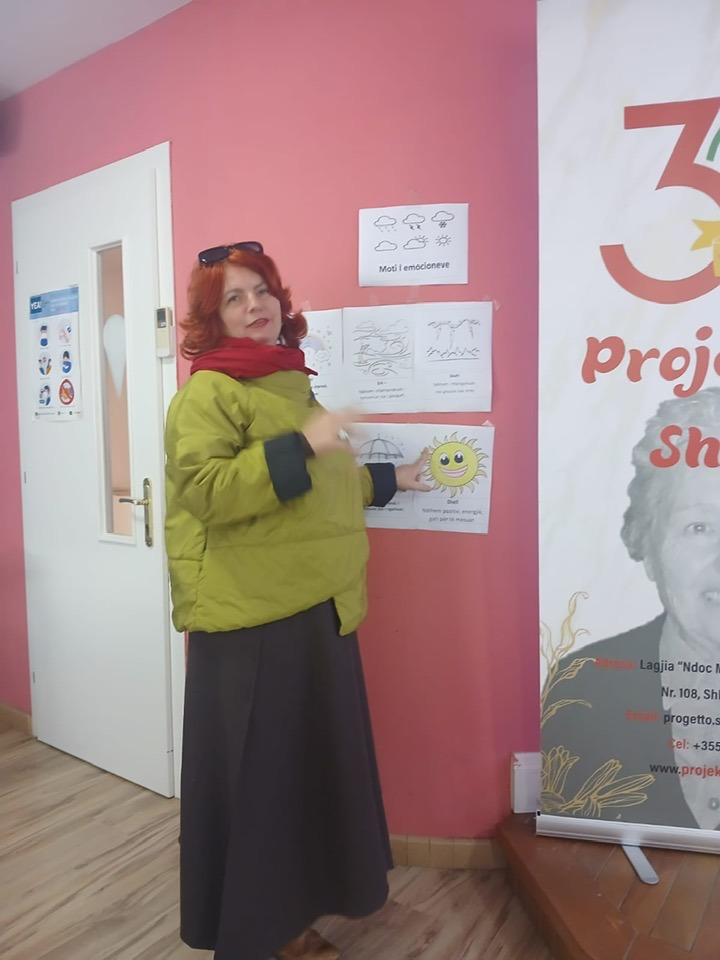
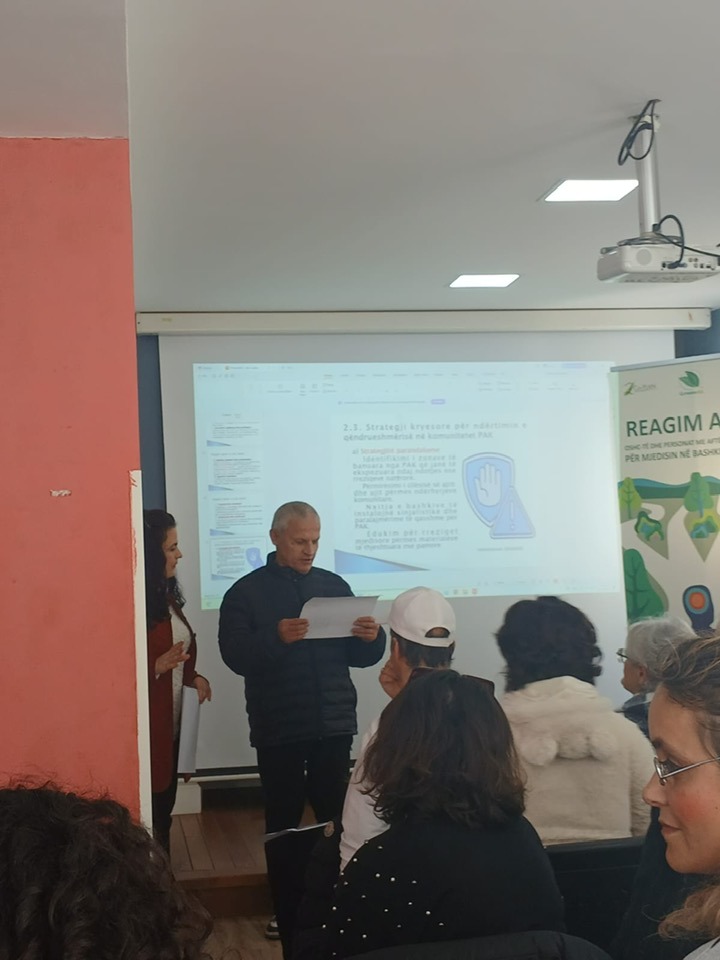
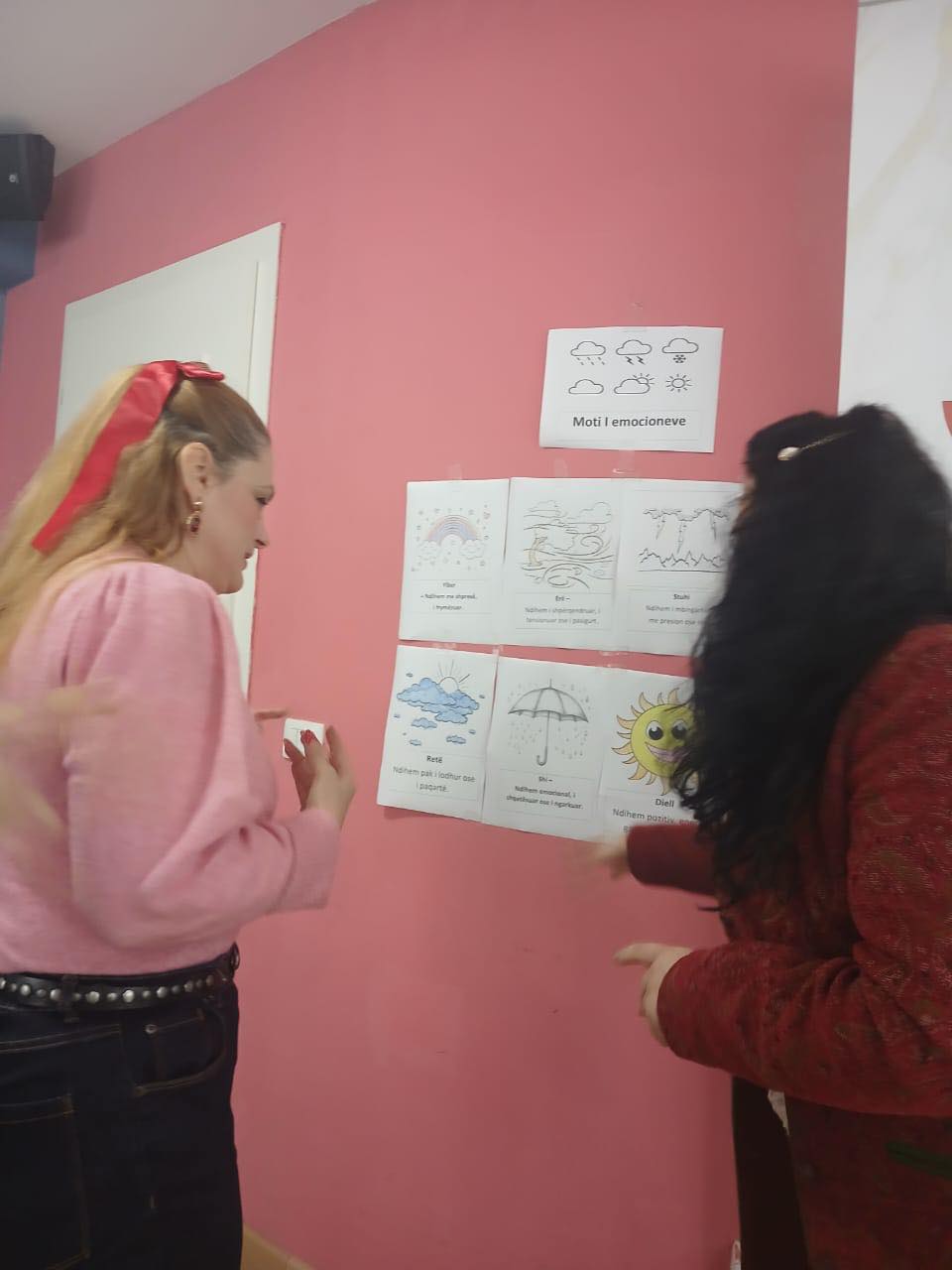
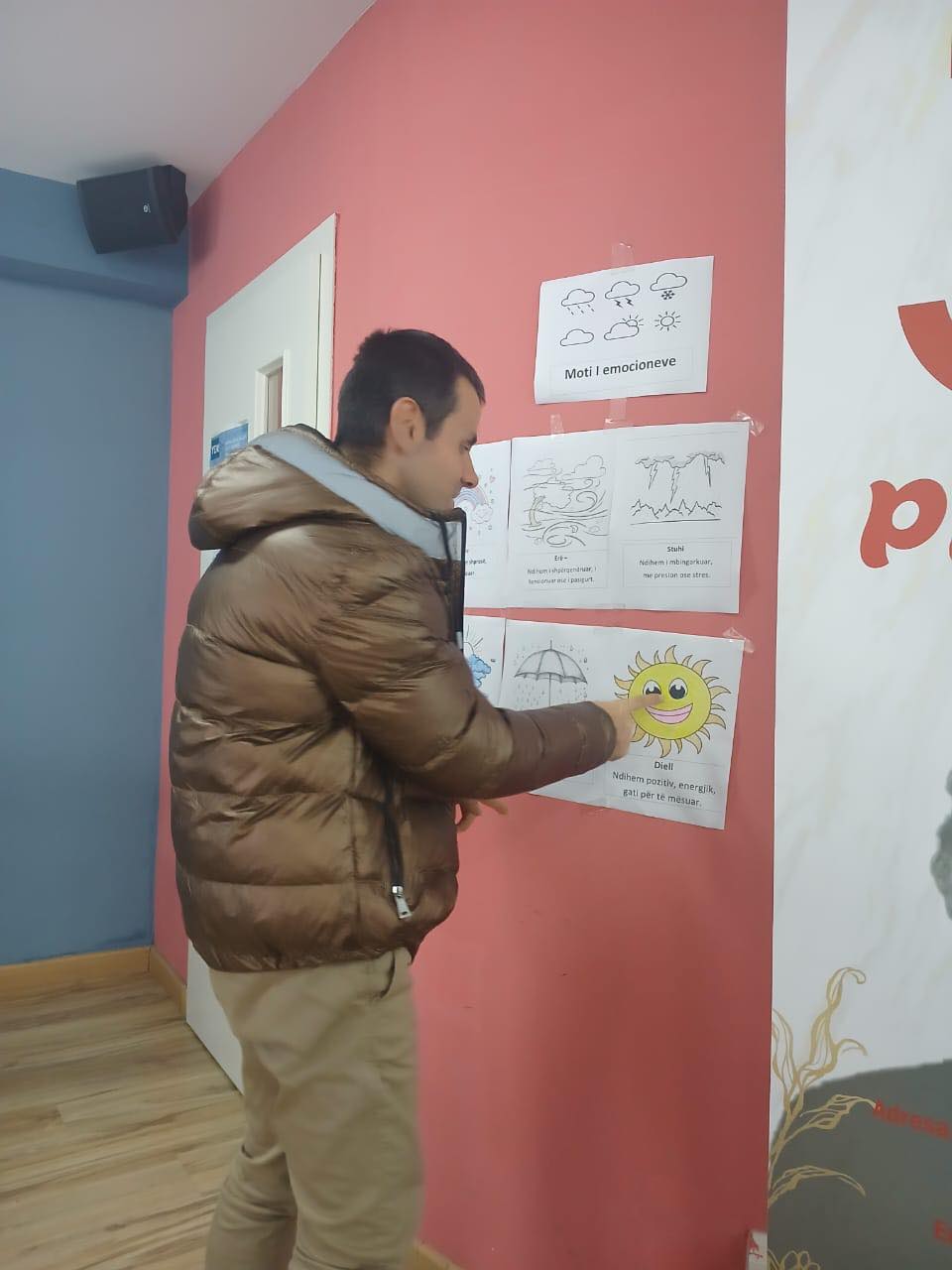
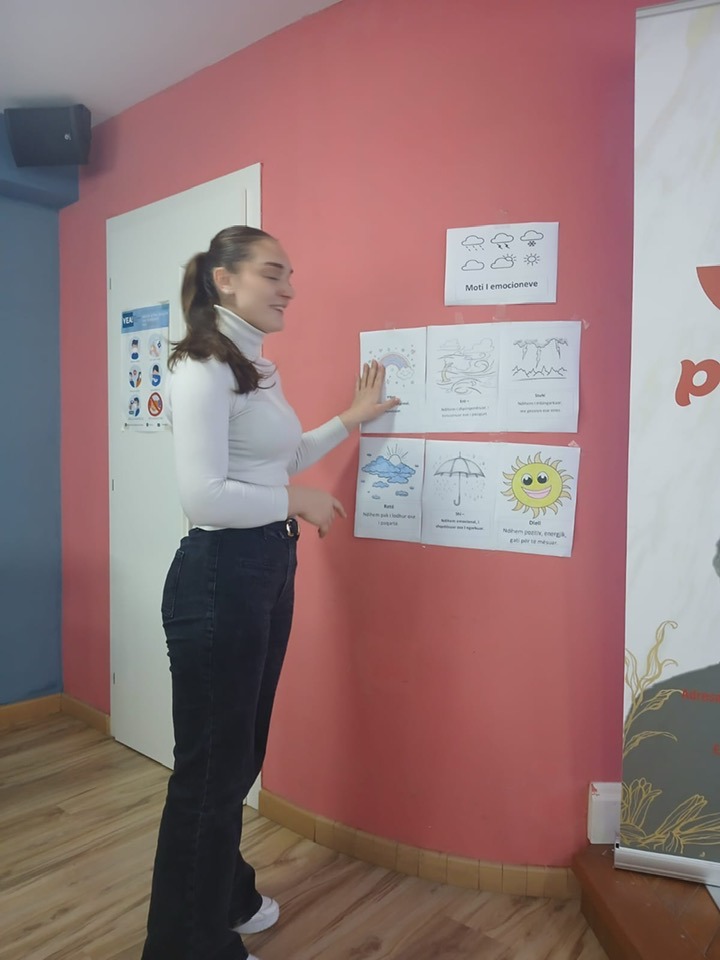
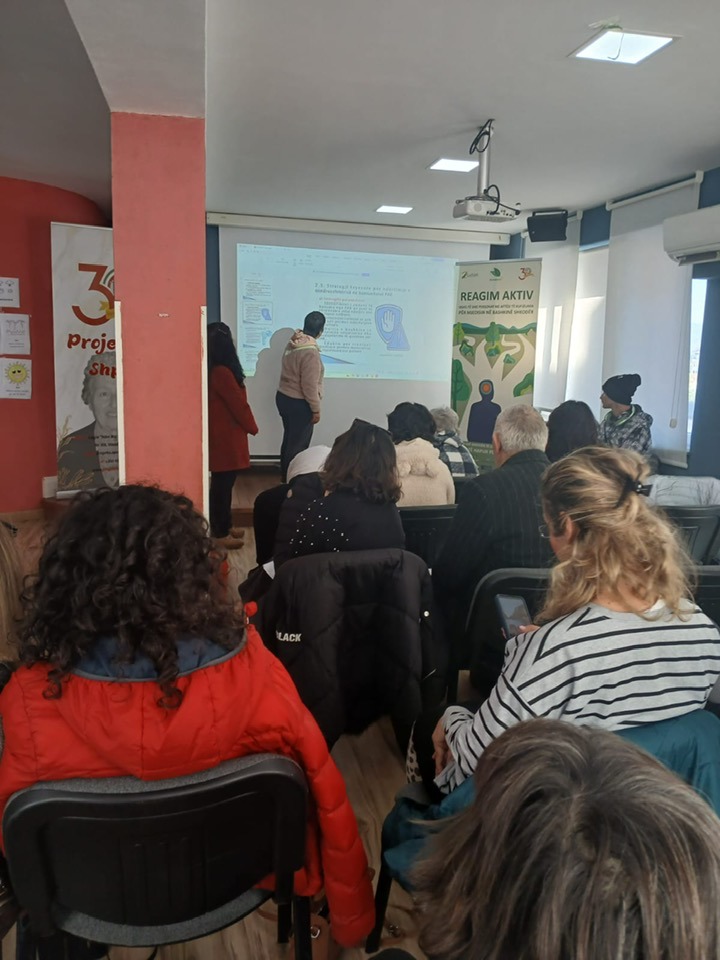
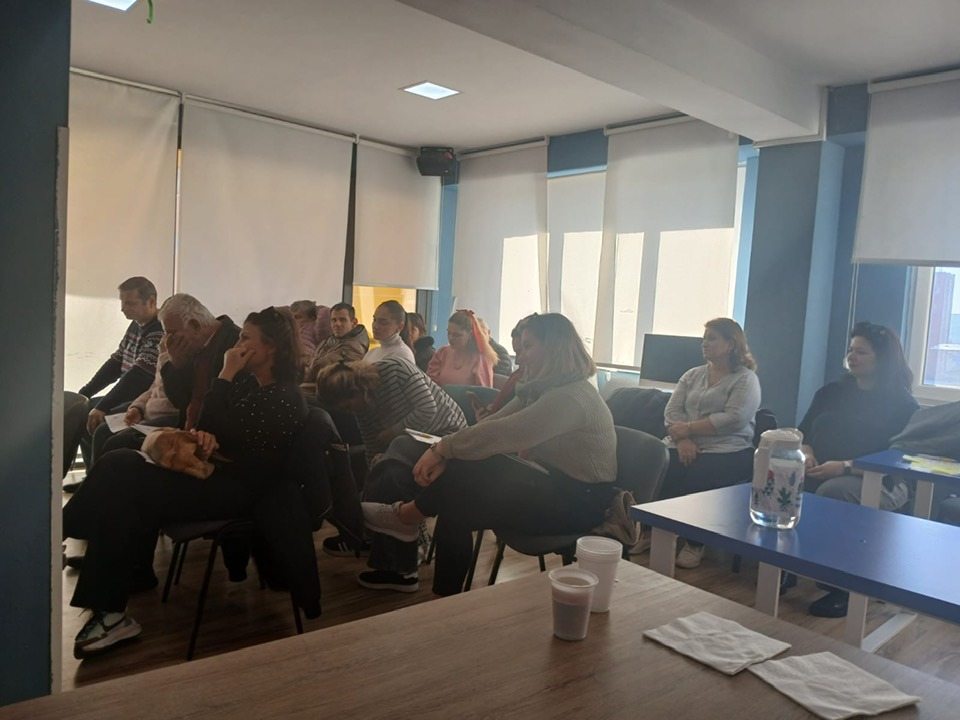
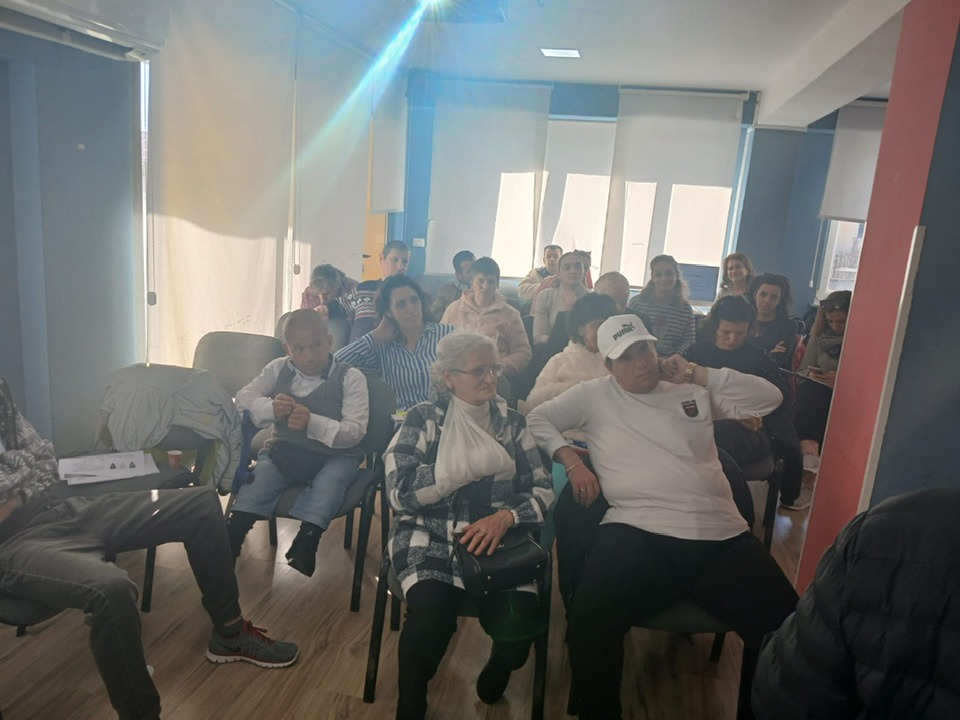
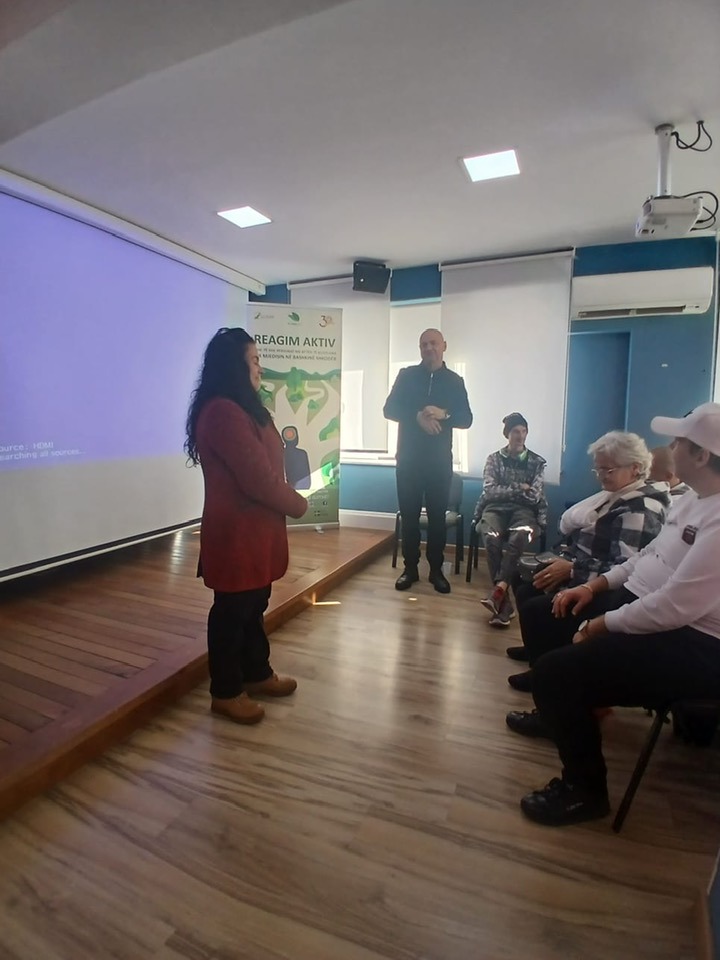
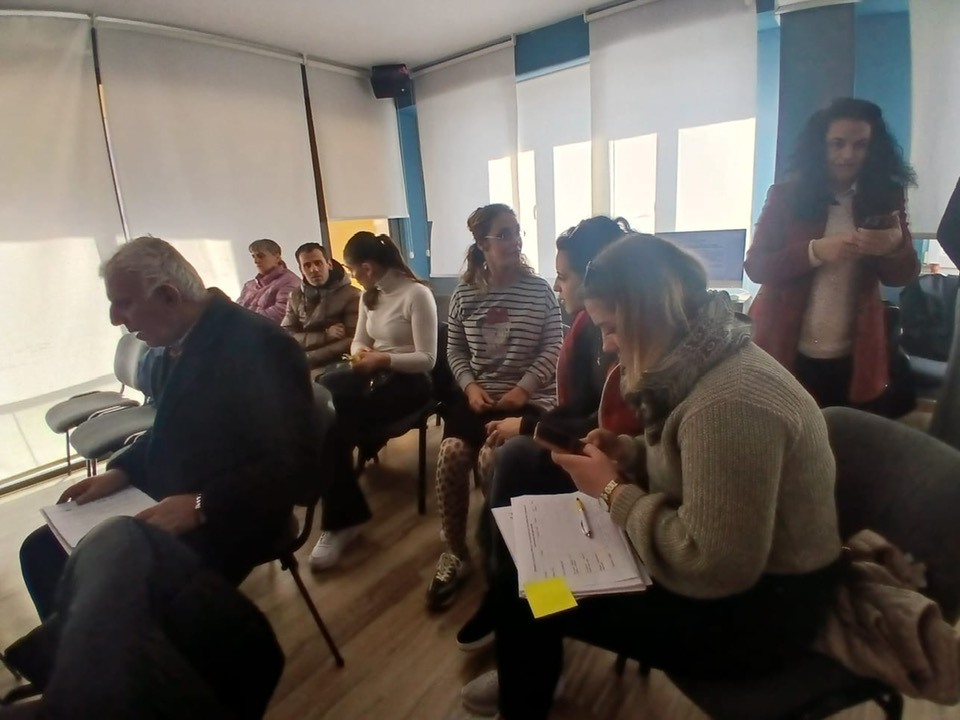
As part of the project “Active Response: CSOs and Persons with Disabilities for the Environment in the Municipality of Shkodra,” a four-day training cycle titled “Awareness, Advocacy, and Social Inclusion for Persons with Disabilities in Environmental Issues” was held on November 18–19 and December 11–12, 2025, at the “Atelie” Youth Center in the Municipality of Shkodra.
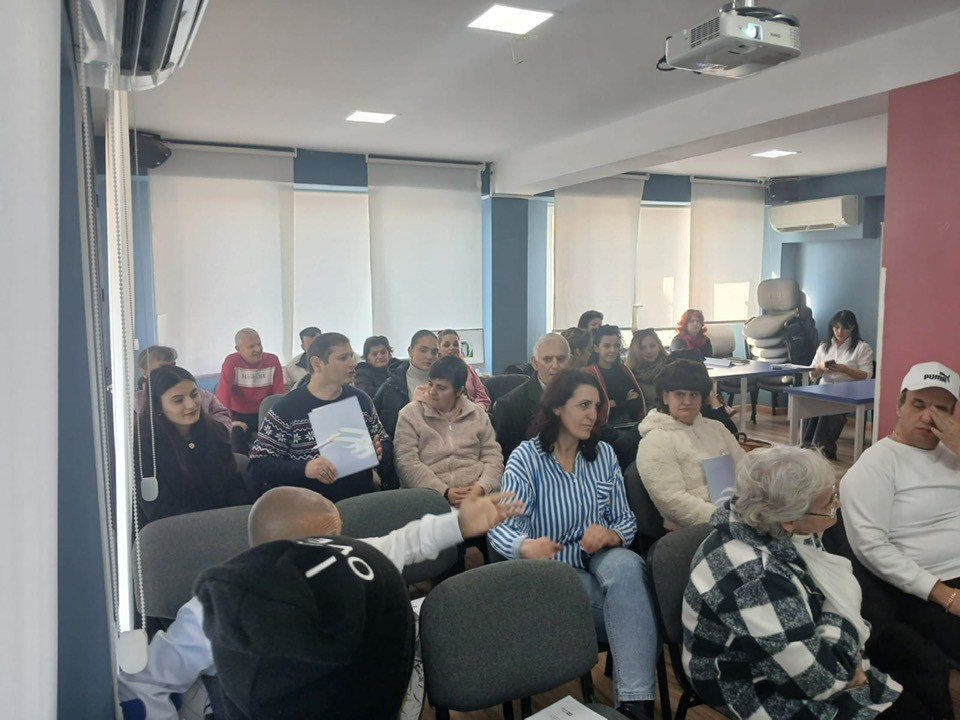
The training brought together persons with disabilities (PWDs), representatives from civil society organizations and public institutions, family members, and activists.
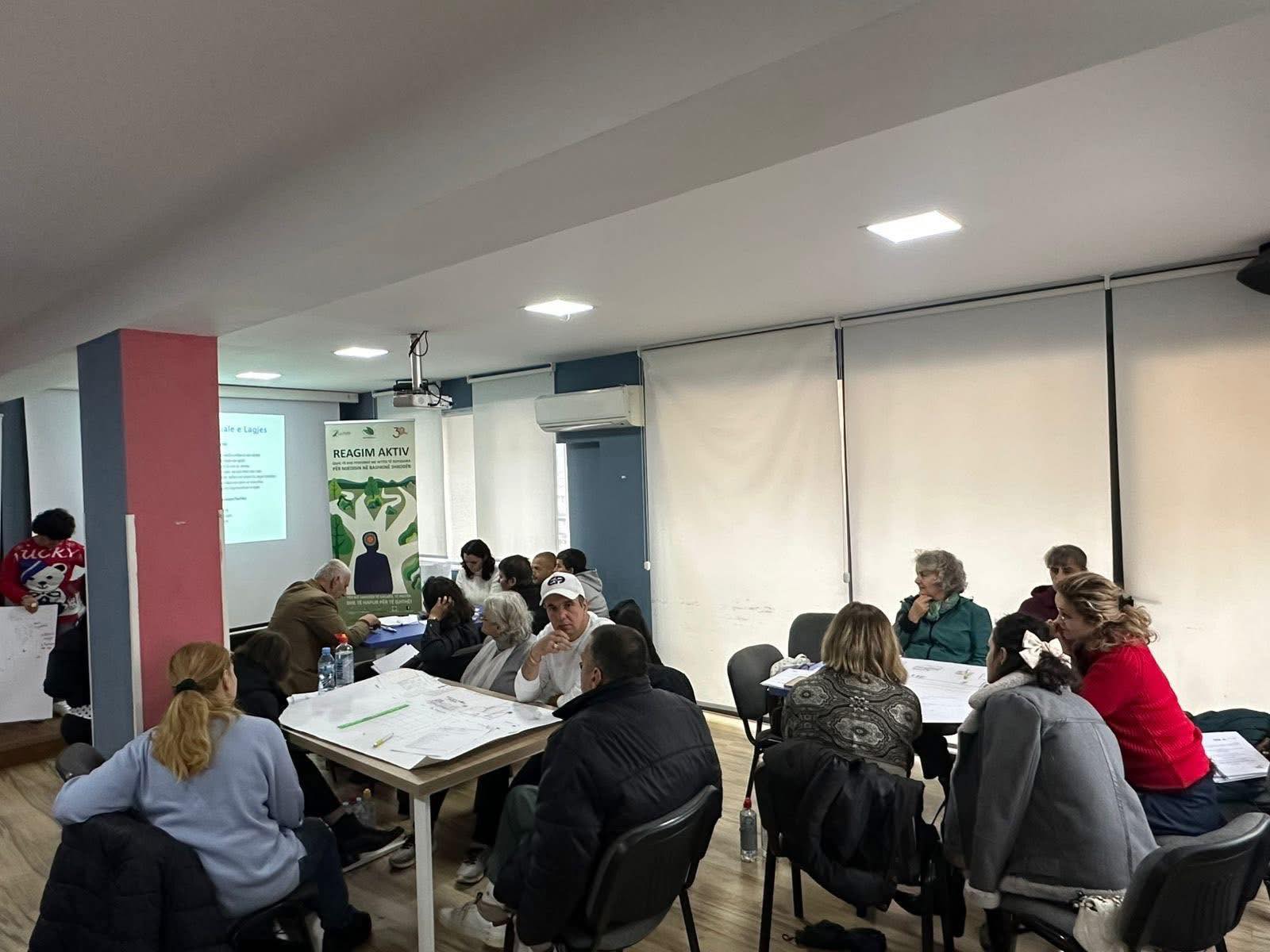
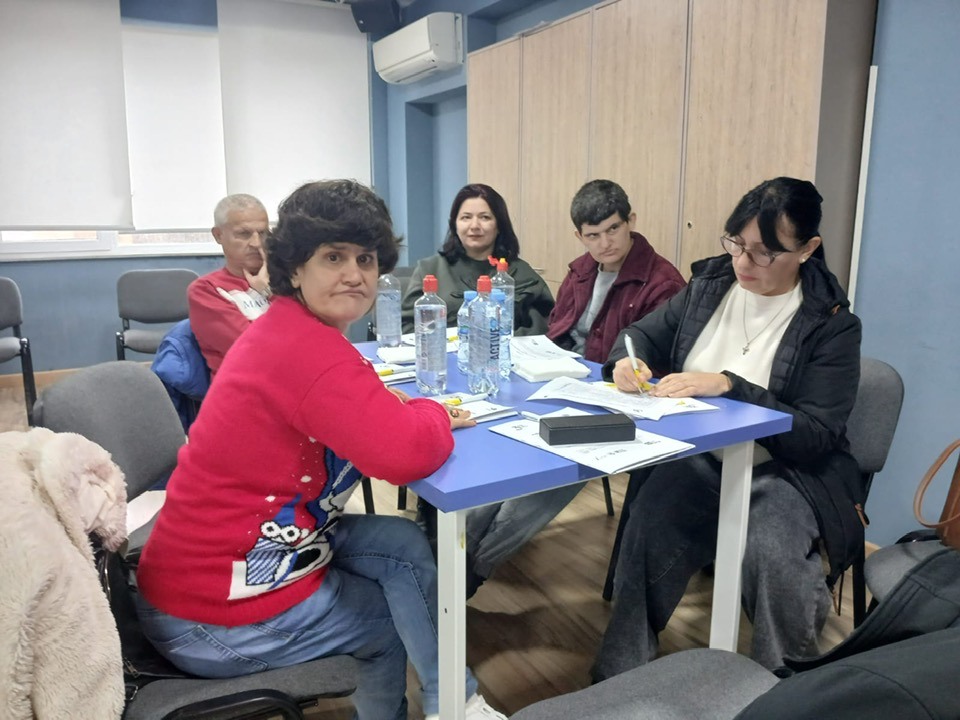
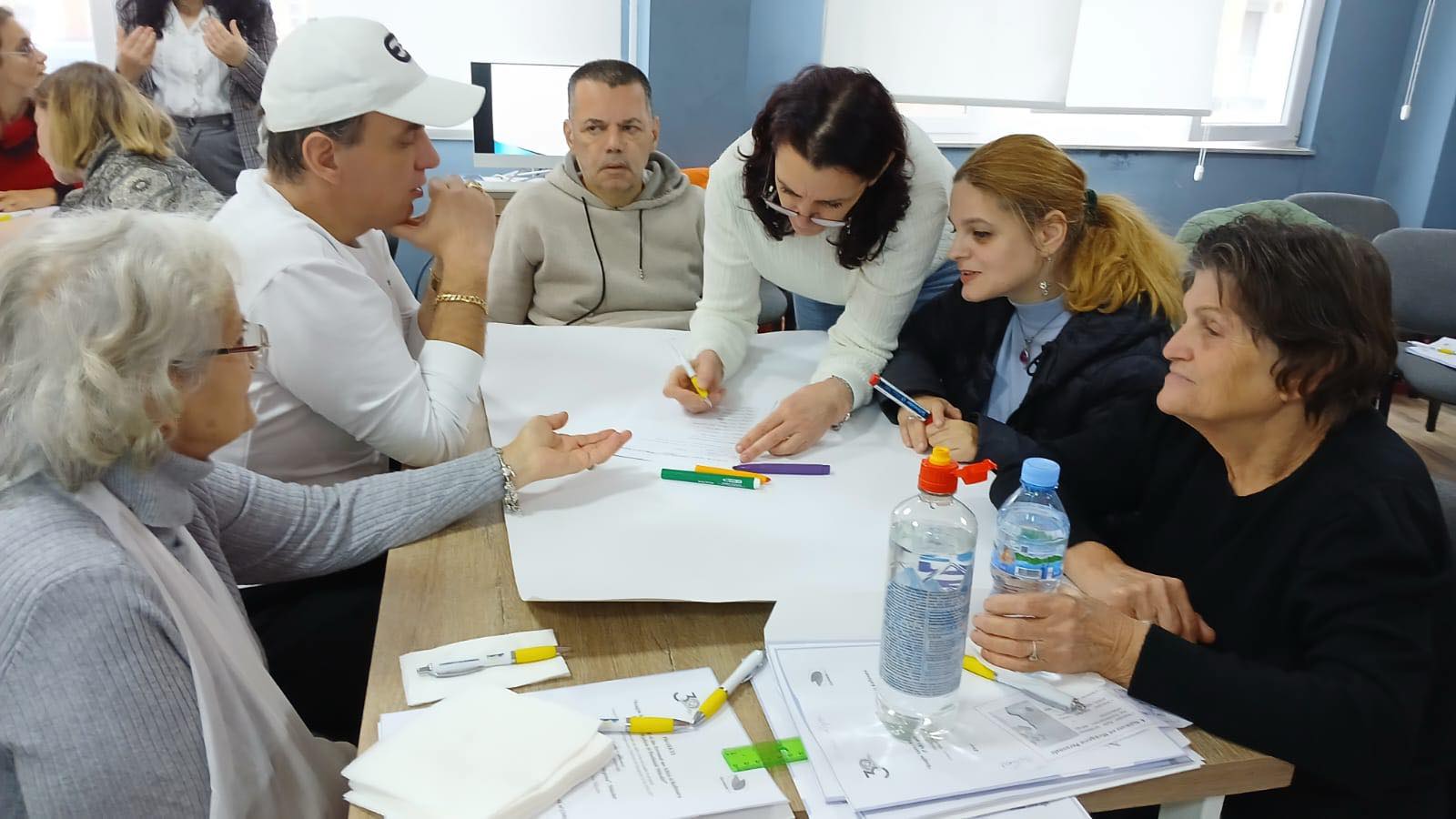
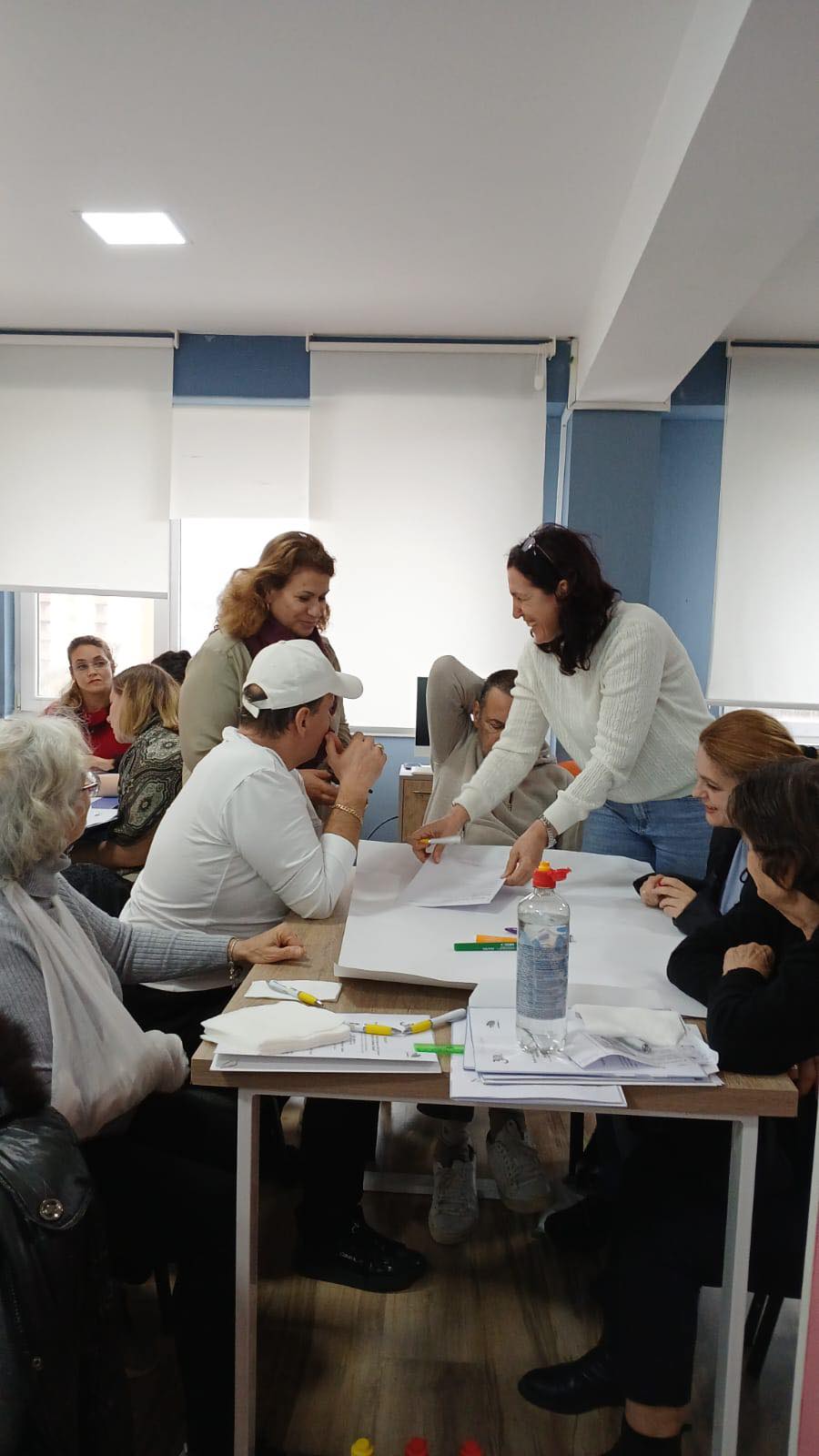
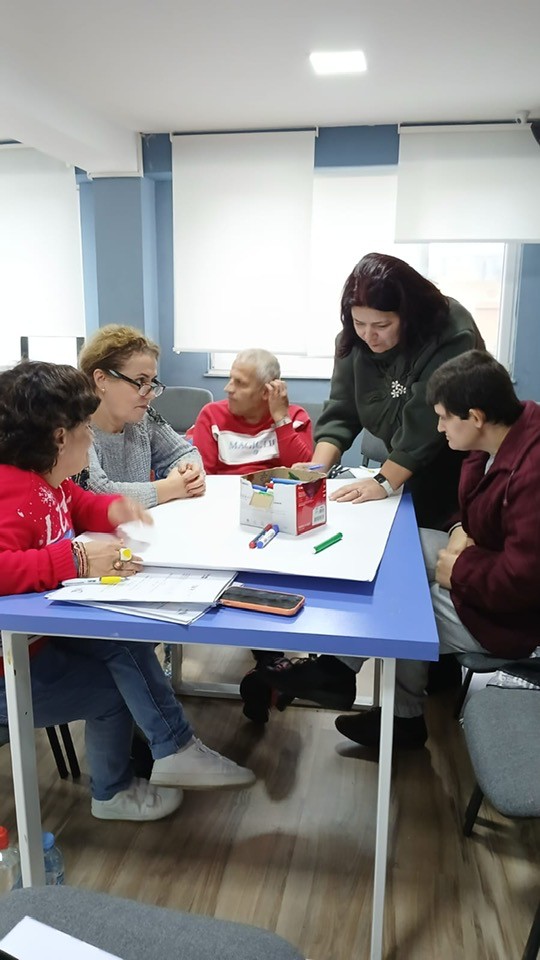
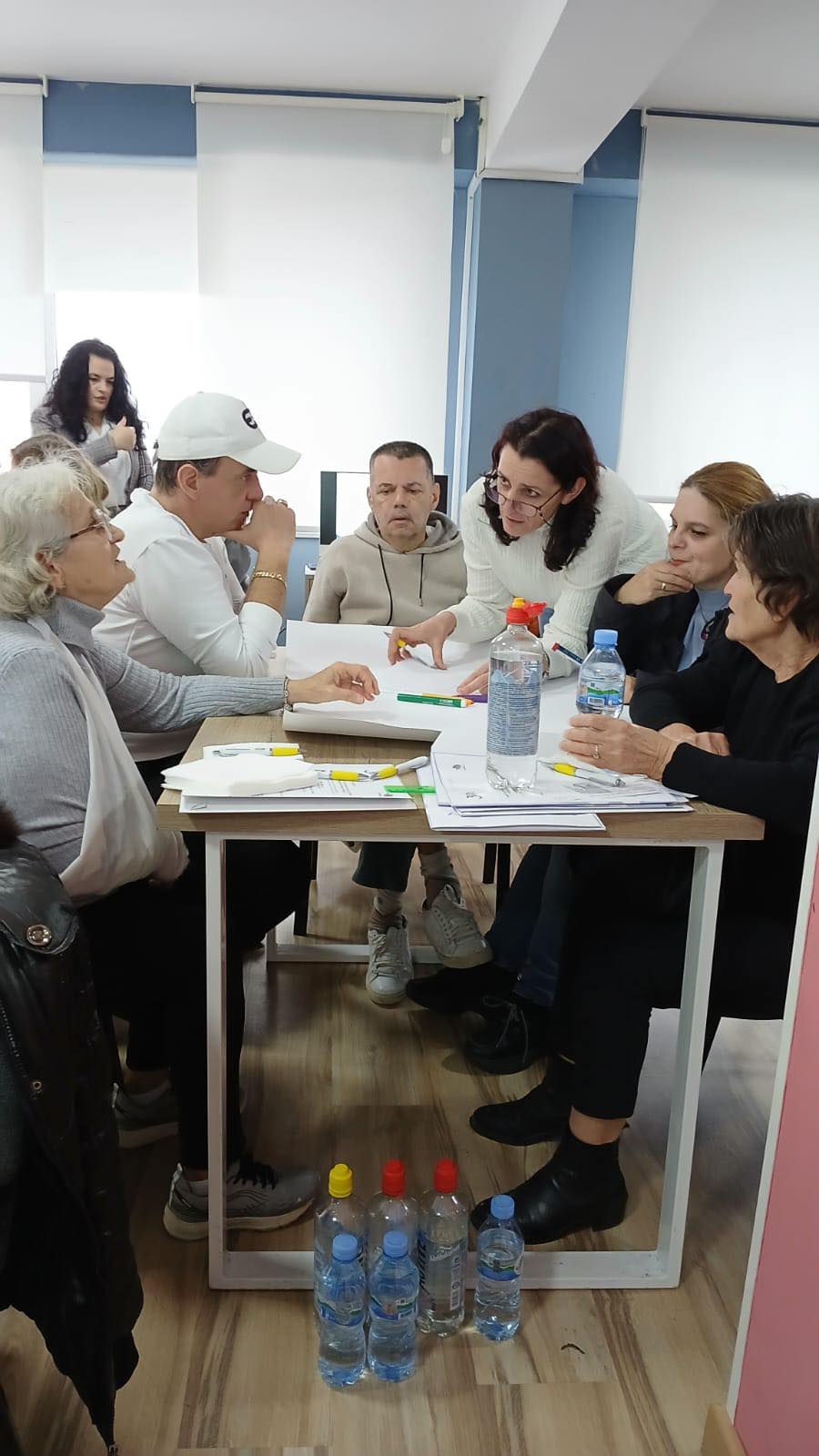
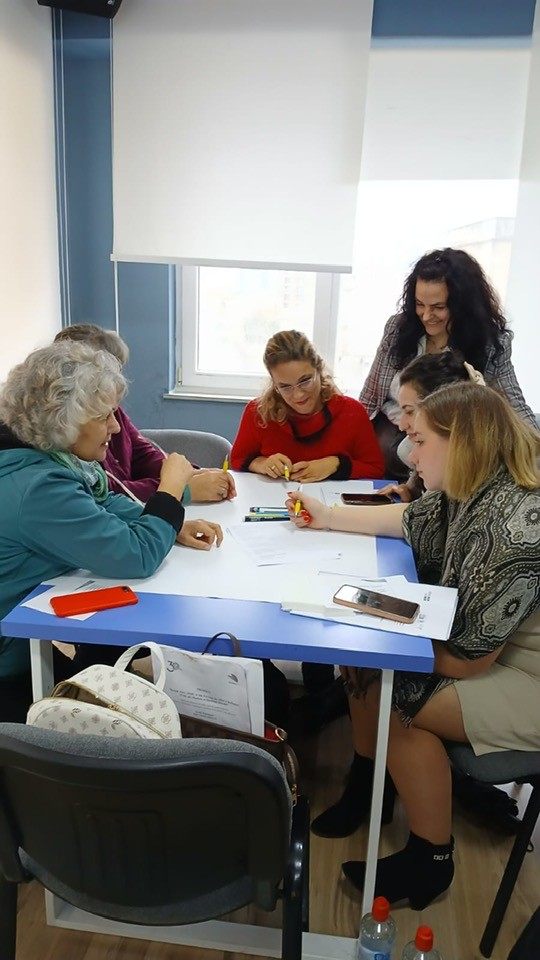
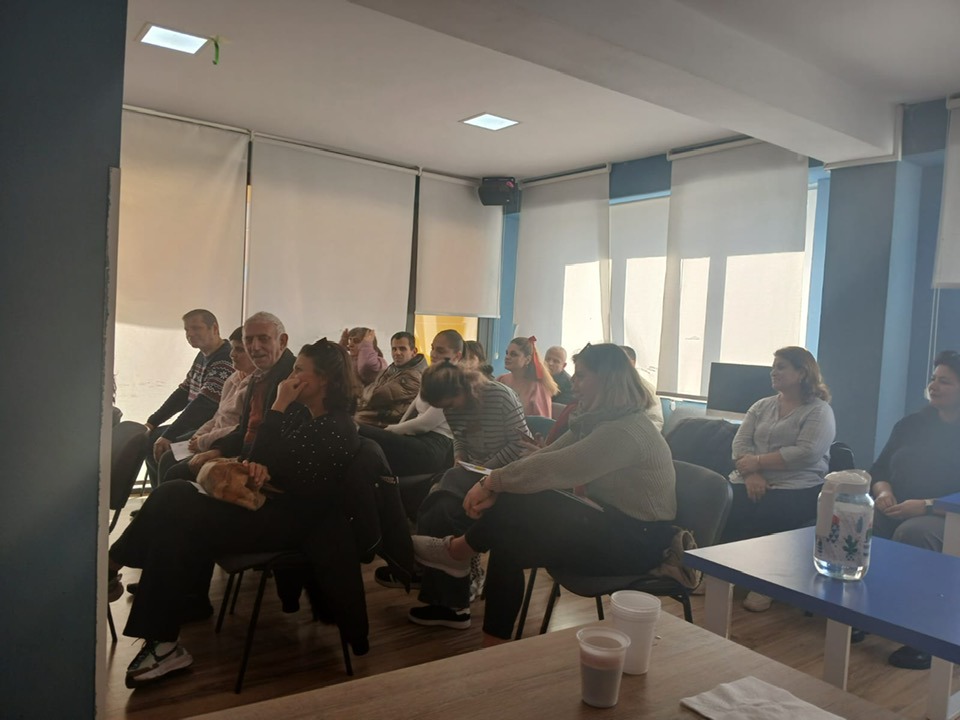
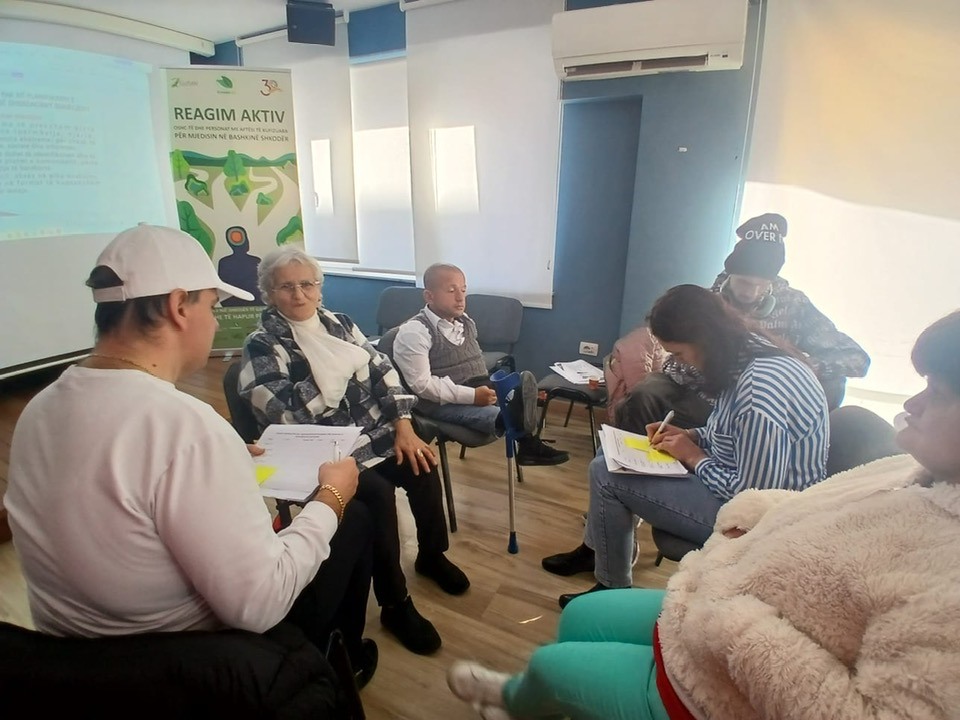
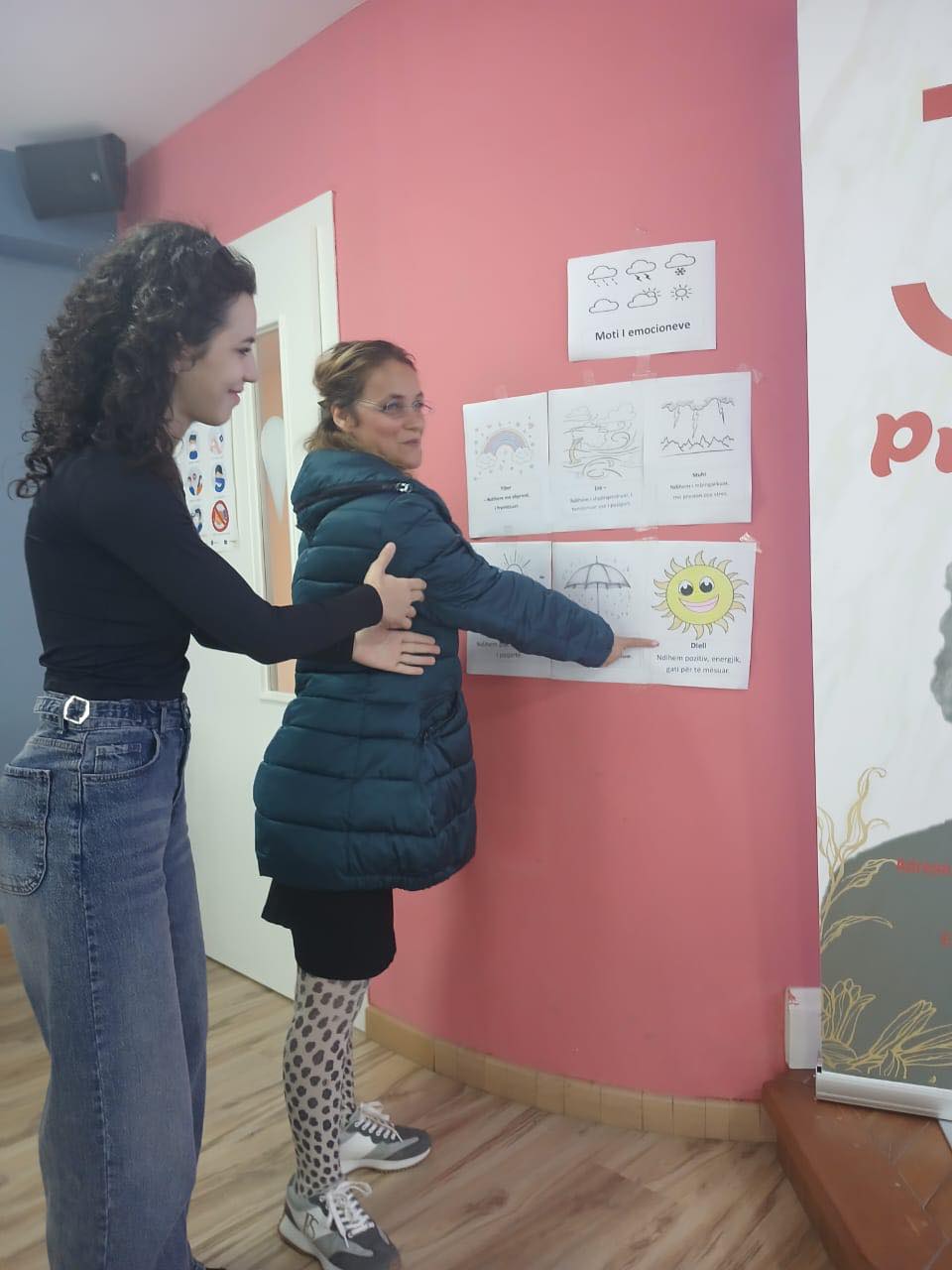
Through informative sessions, interactive discussions, and practical group work, participants developed their knowledge and skills regarding the identification of environmental issues, advocacy, and active participation in local decision-making processes.
Day One November 18, 2025
Raising awareness about environmental issues and their impact on persons with disabilities
The first day focused on exploring local environmental issues and their impact on the health, well-being, and accessibility of persons with disabilities.
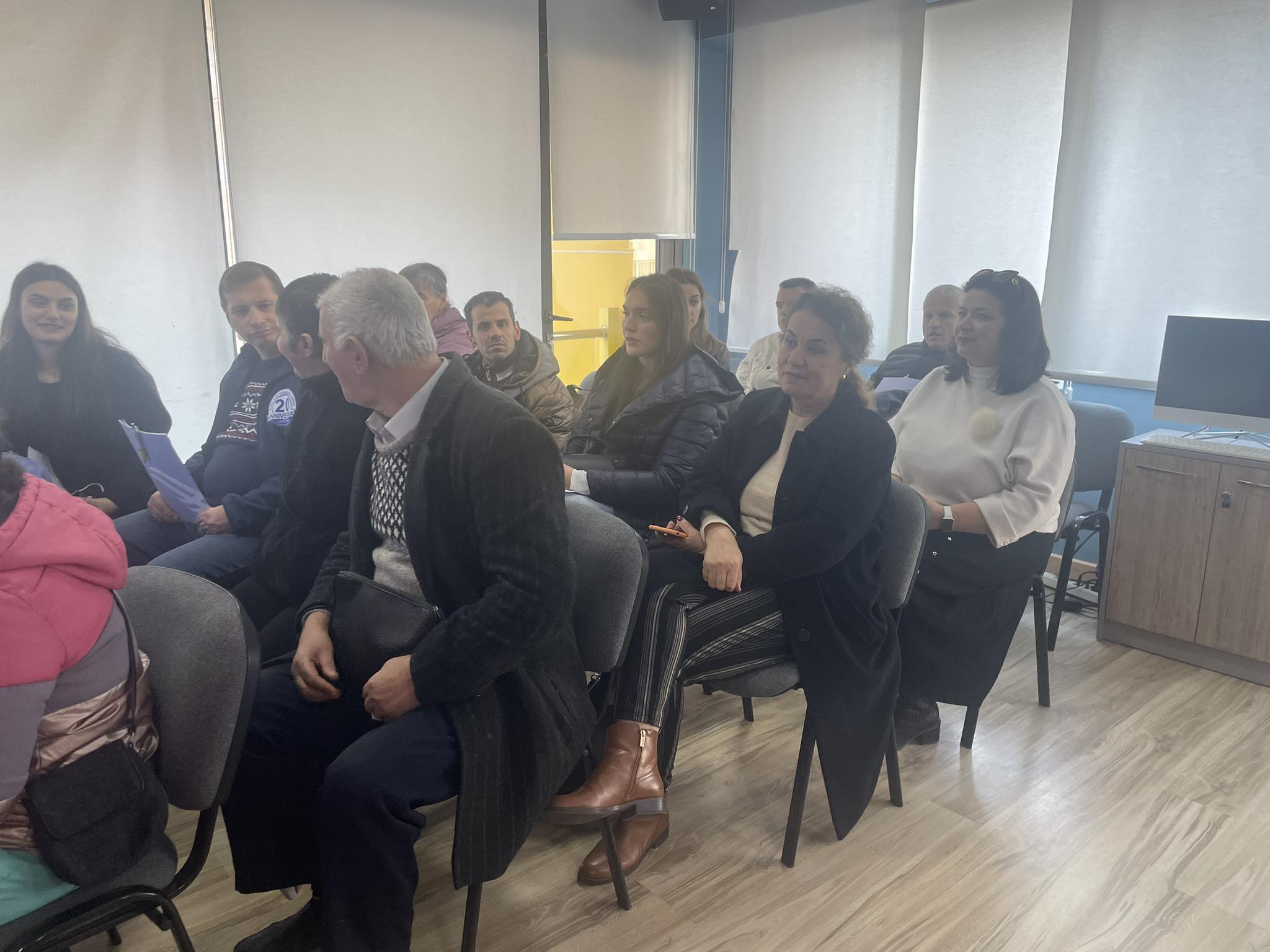
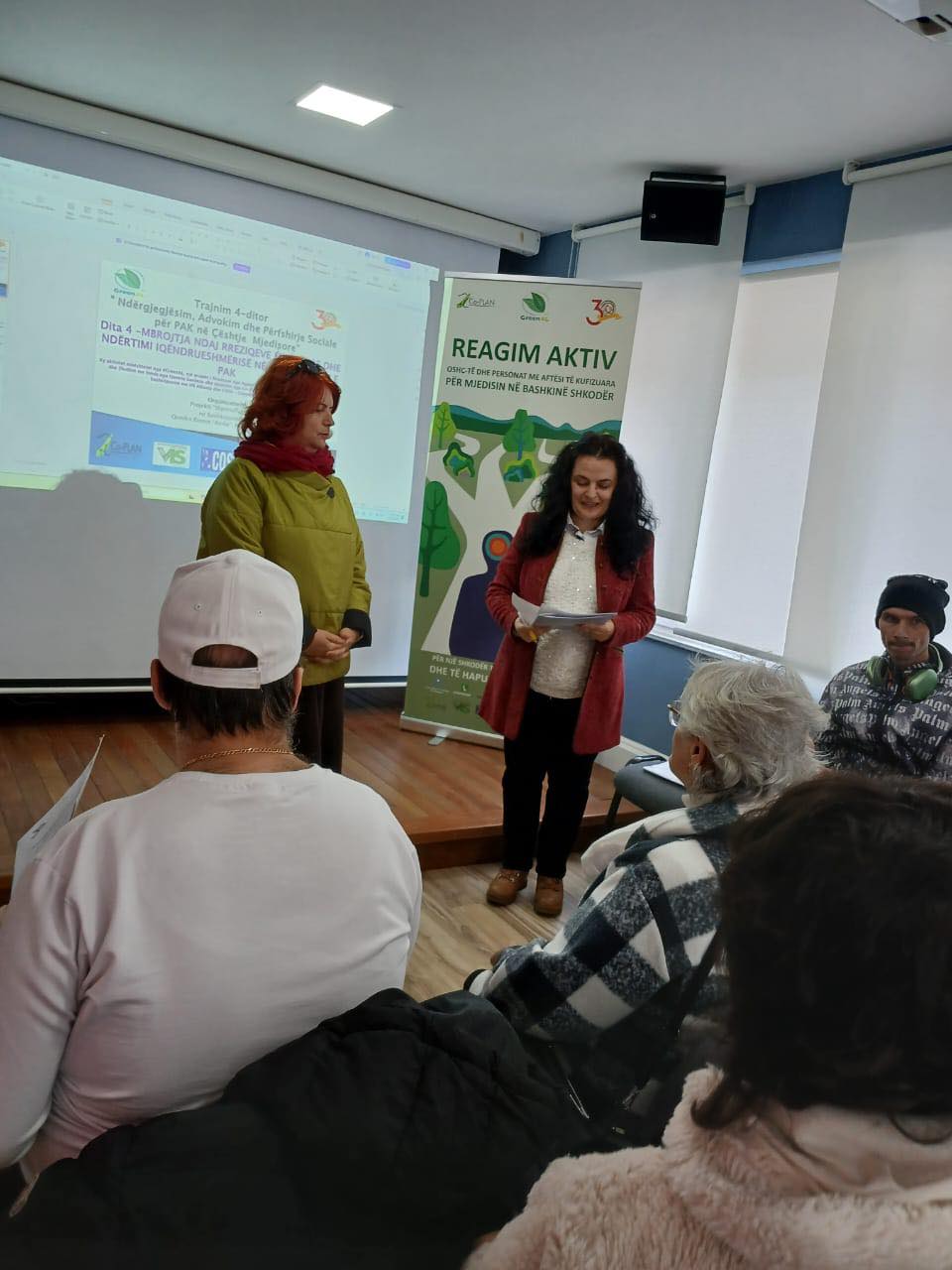
The event began with opening remarks from the project organizers, representatives from Co-PLAN Tirana, and the General Directorate of Social Services of the Municipality of Shkodër.
Participants included Ms. Merushe Zeneli, representing Co-PLAN Tirana, and Ms. Edita Shoshi, representing the General Directorate of Social Services of the Municipality of Shkodër.
Their opening remarks emphasized the importance of institutional cooperation and the inclusion of persons with disabilities in environmental protection initiatives.
Through the screening of the short film "One Earth Environmental Short Film" and various thematic sessions, participants discussed pollution, waste management, the lack of green spaces, and the barriers that persons with disabilities encounter in different environmental contexts.
Day Two November 19, 2025
Identifying Environmental Issues and Their Impact on Community Well-being
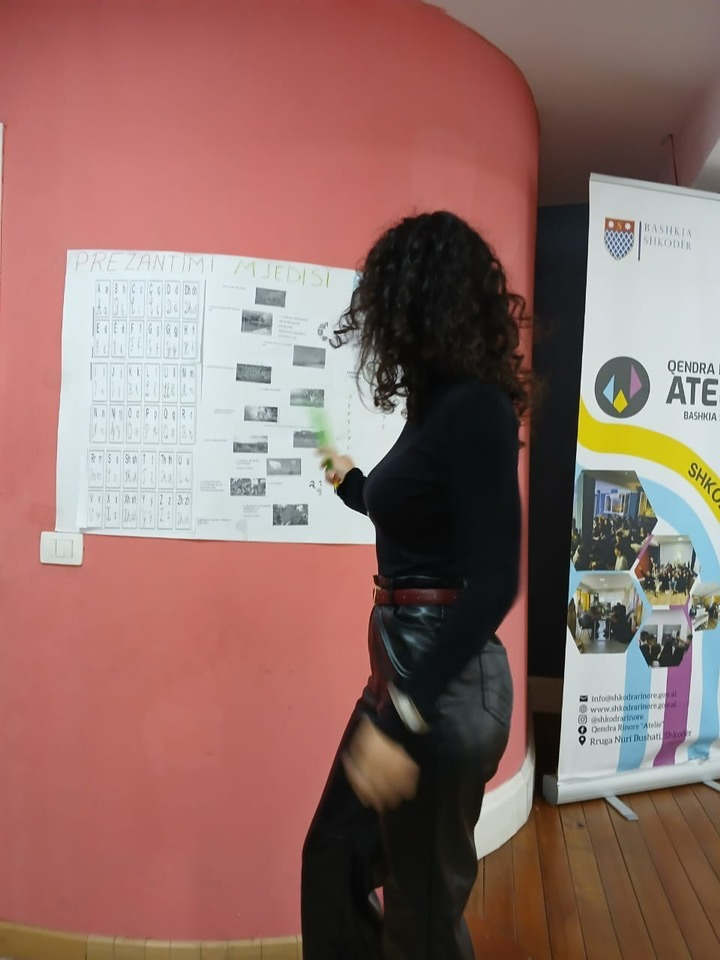
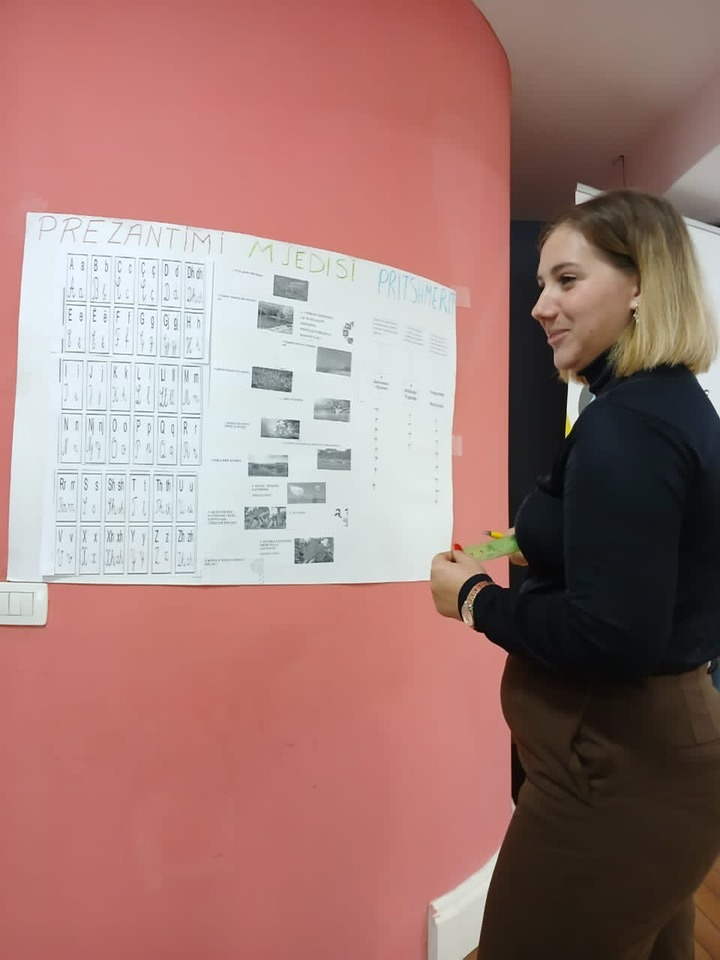
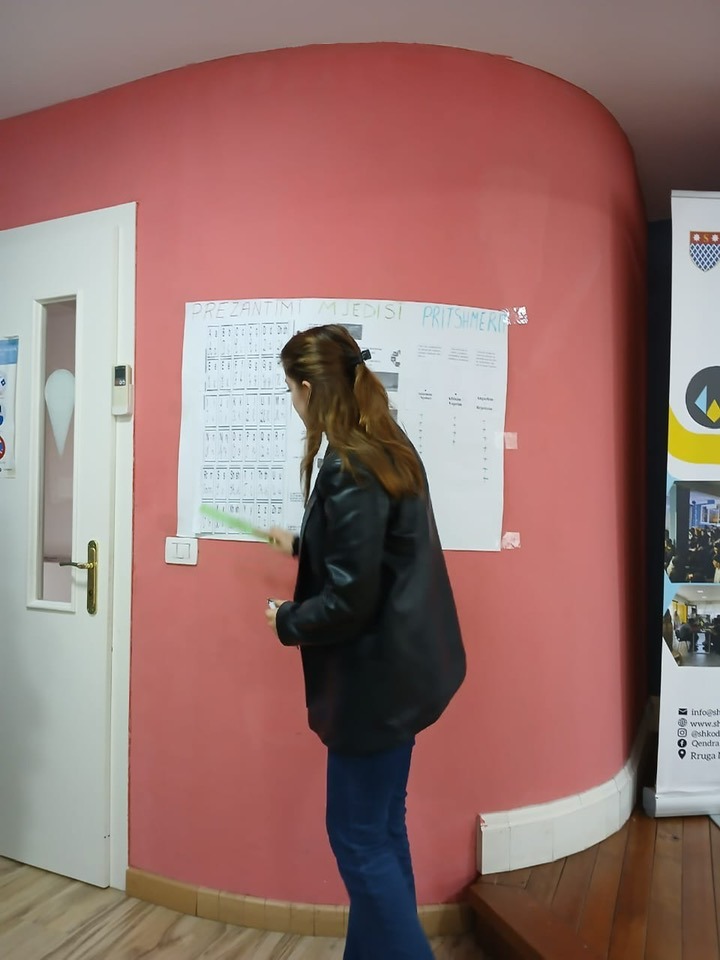
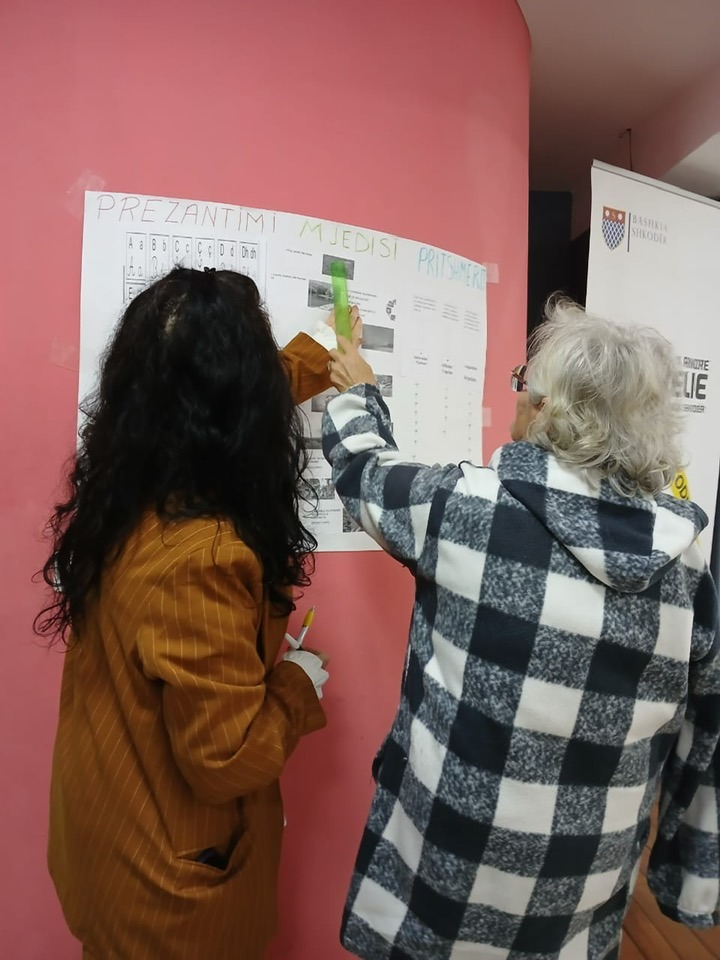
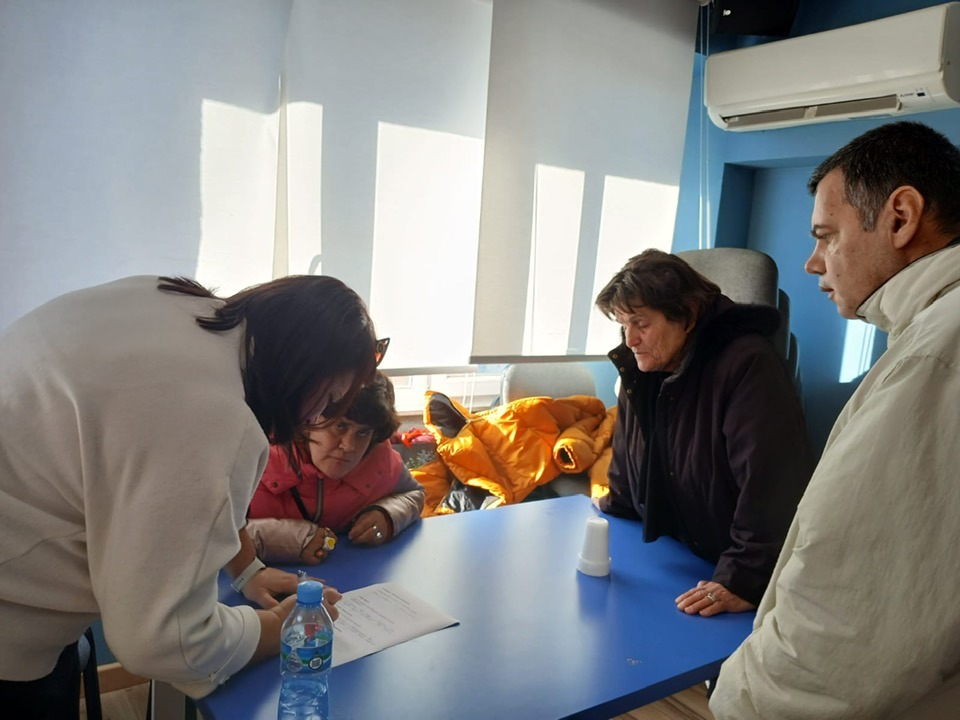
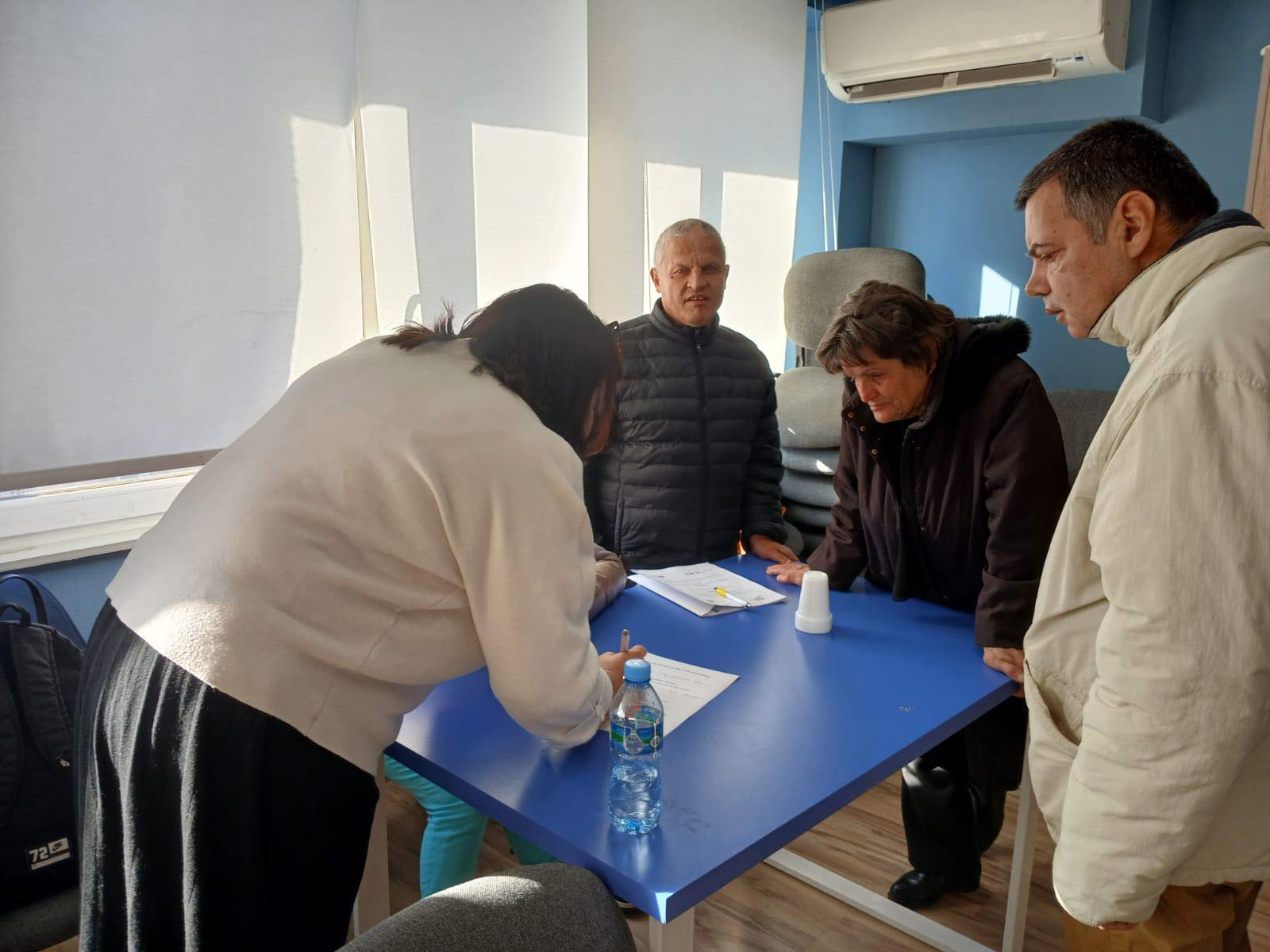
The second day focused on identifying and analyzing environmental issues within the communities of the Municipality of Shkodër.
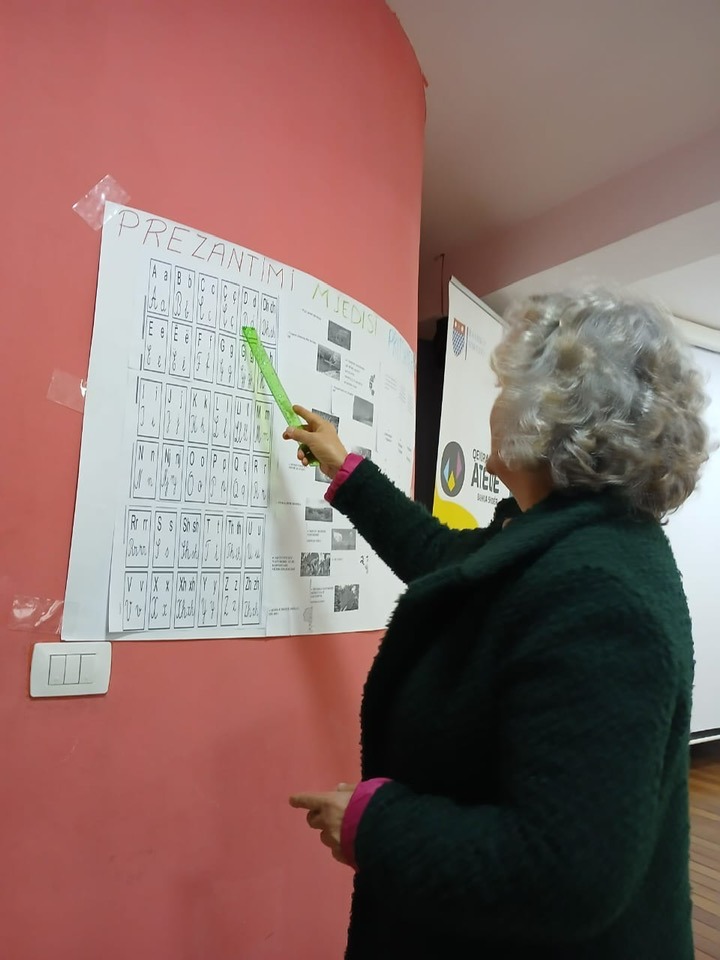
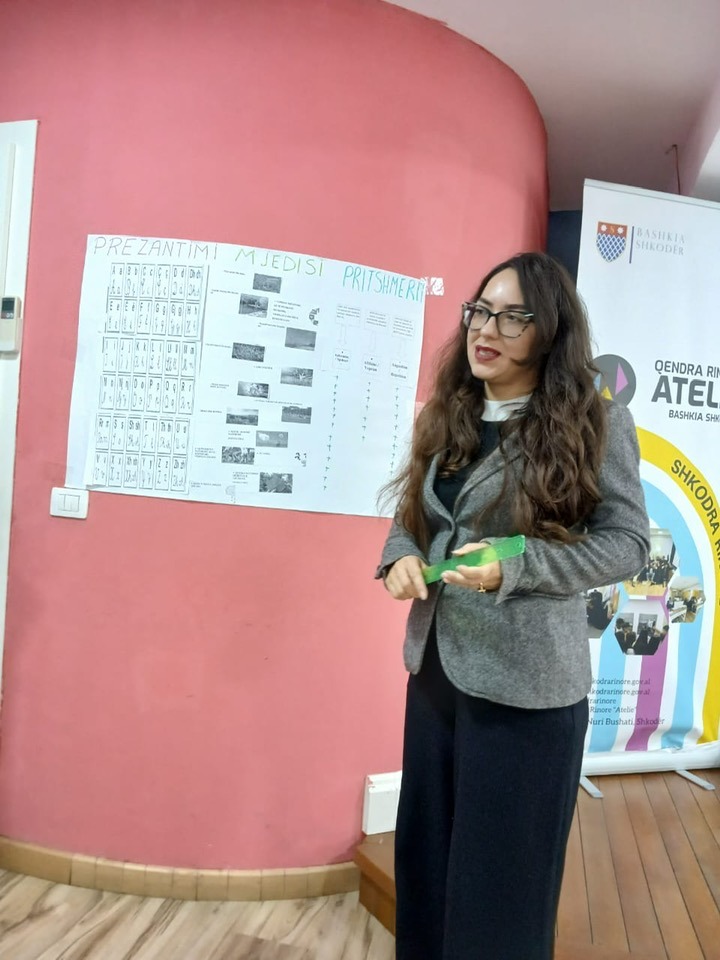
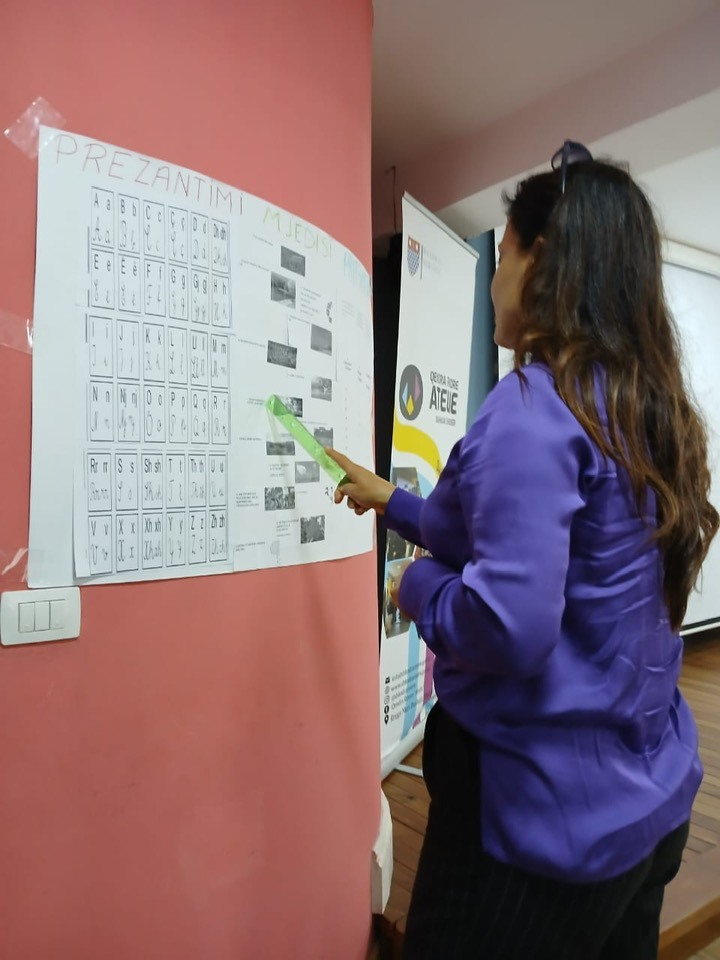
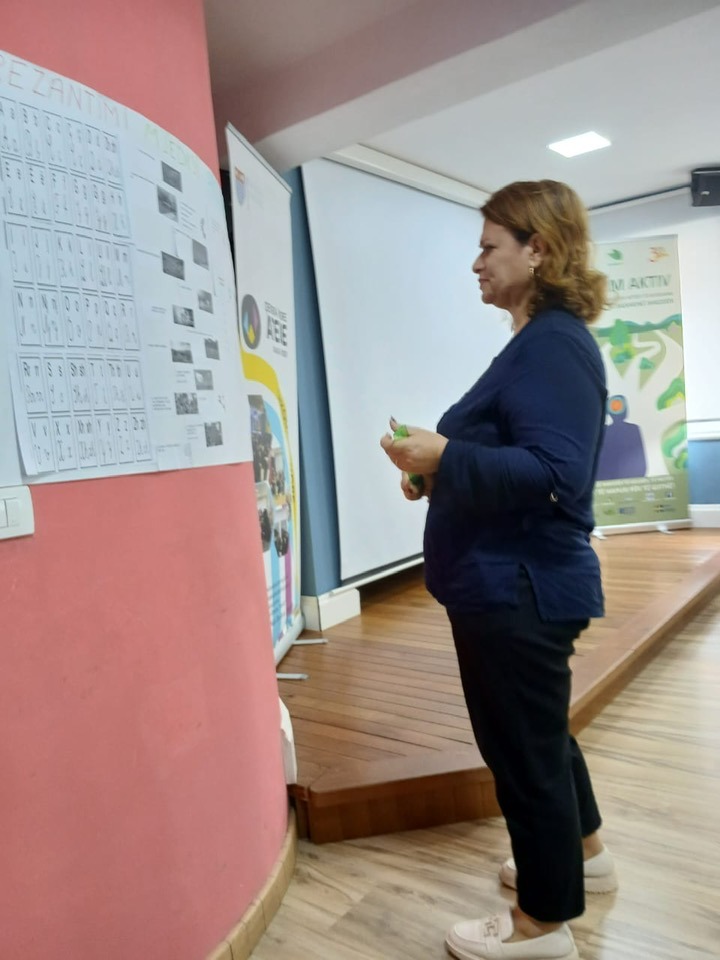
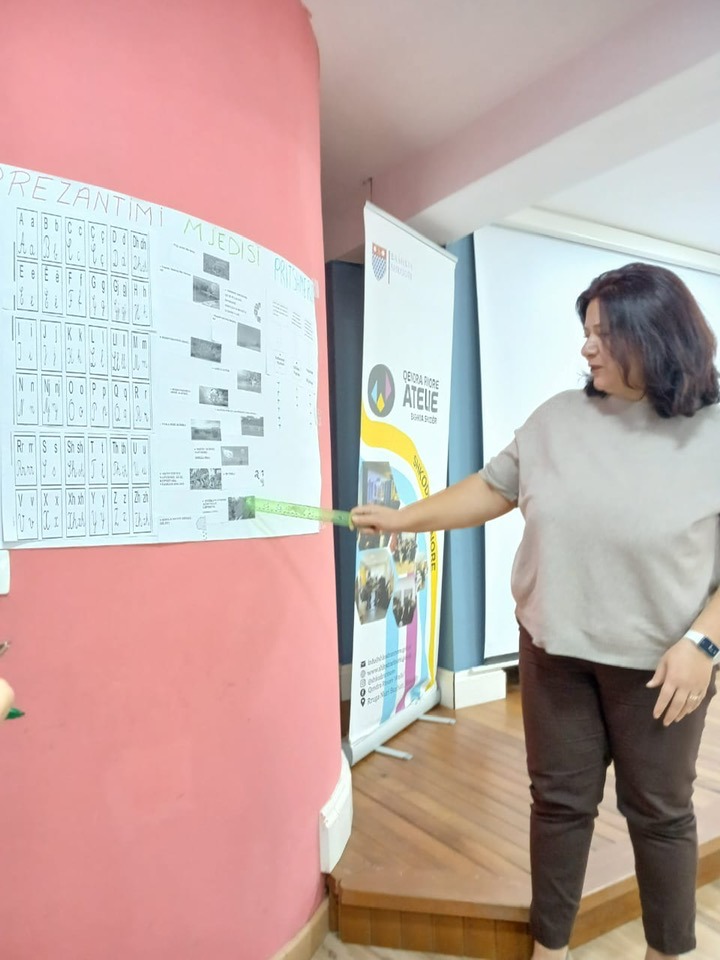
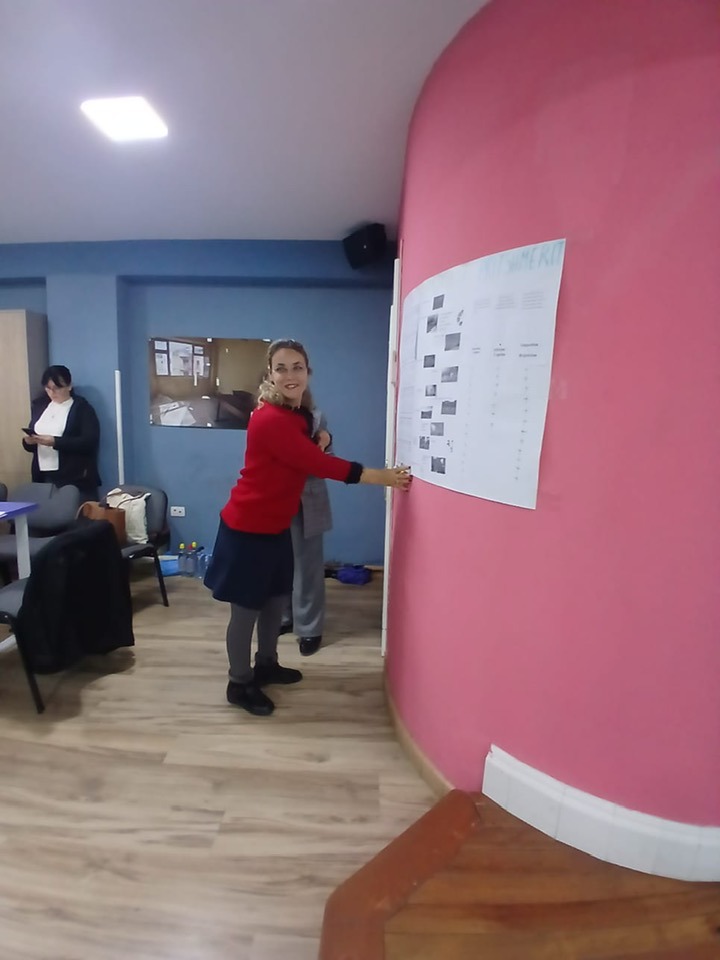
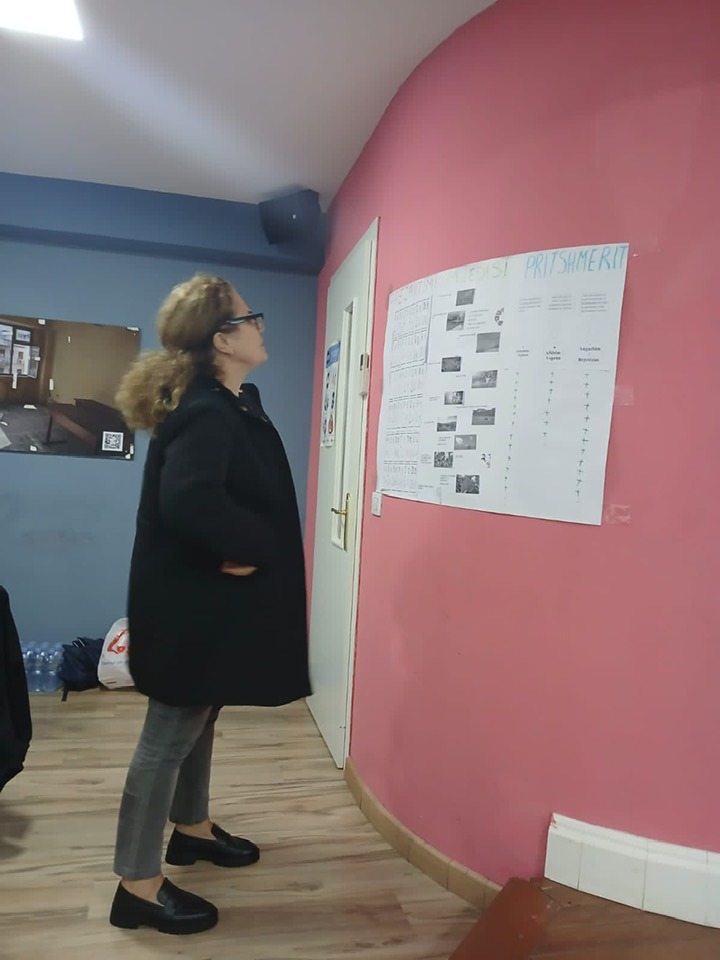
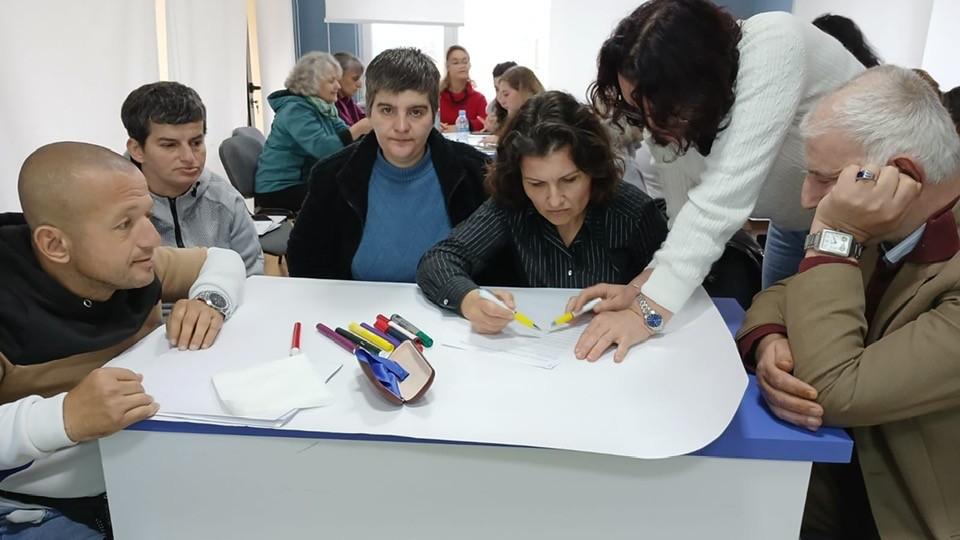
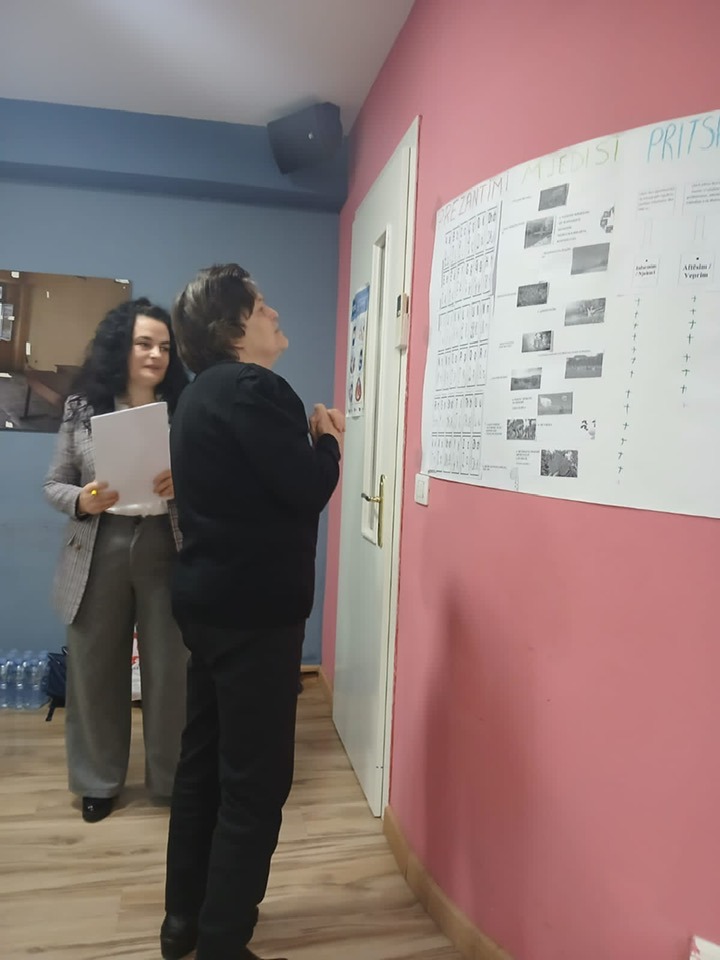
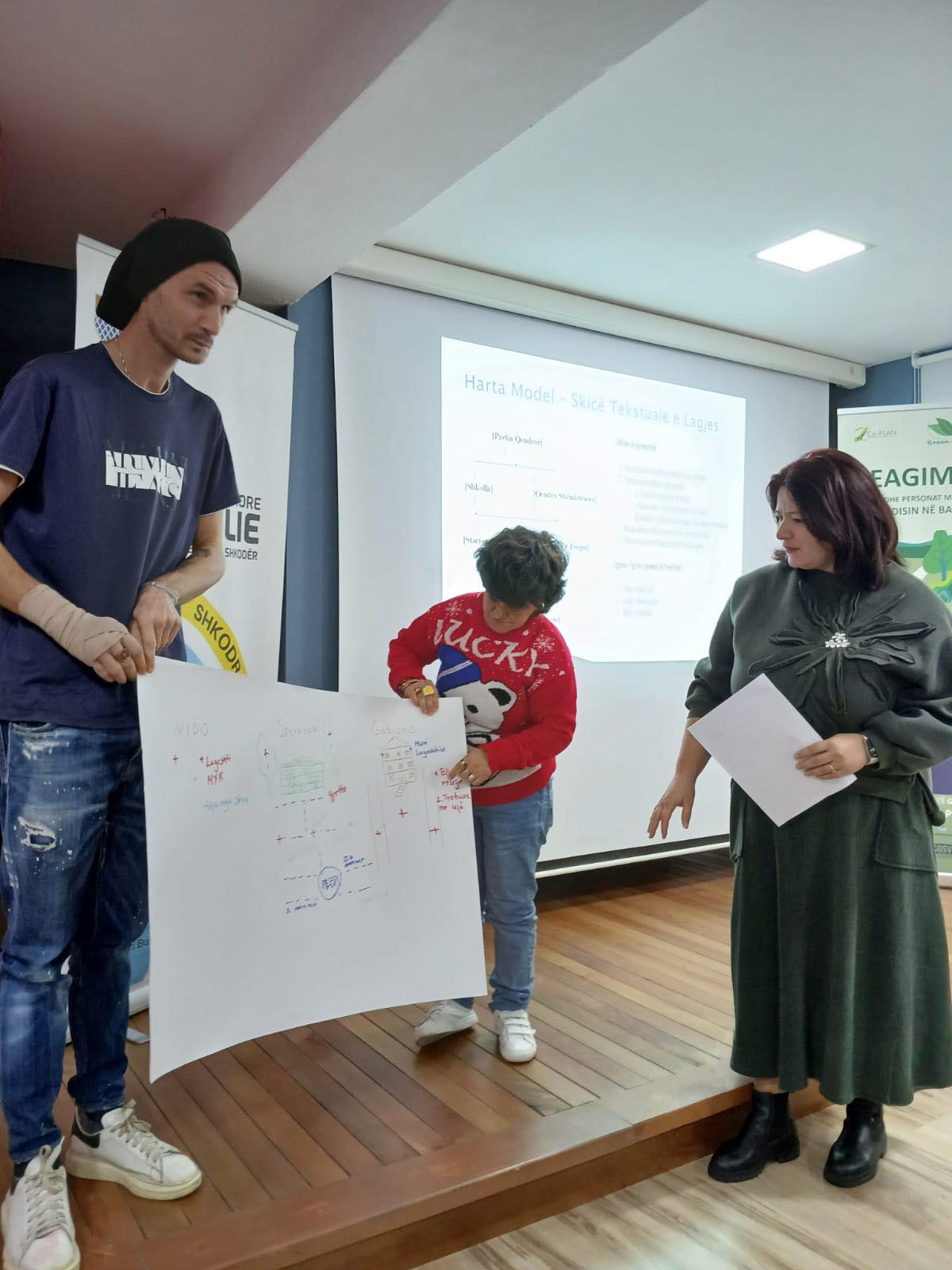
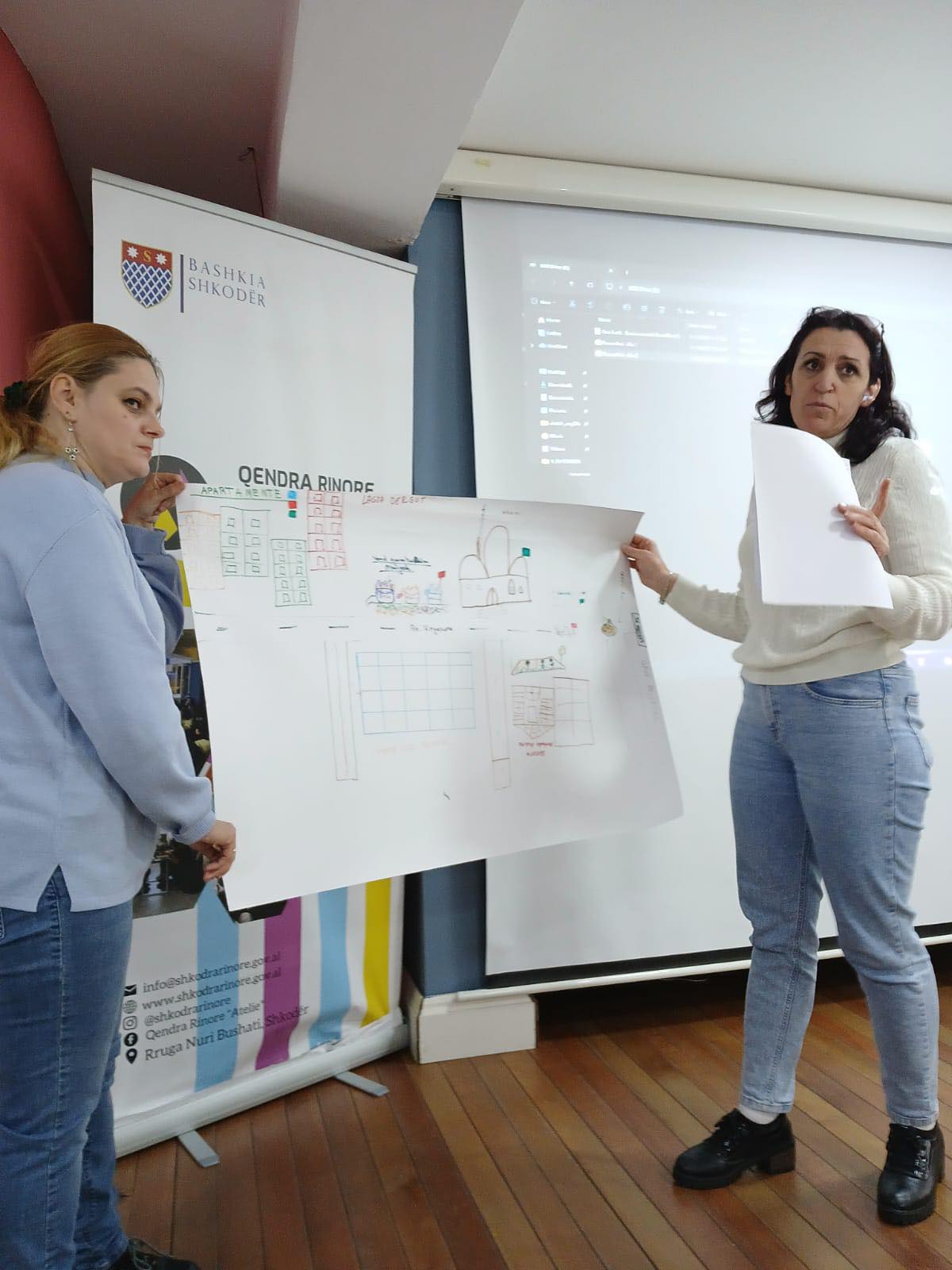
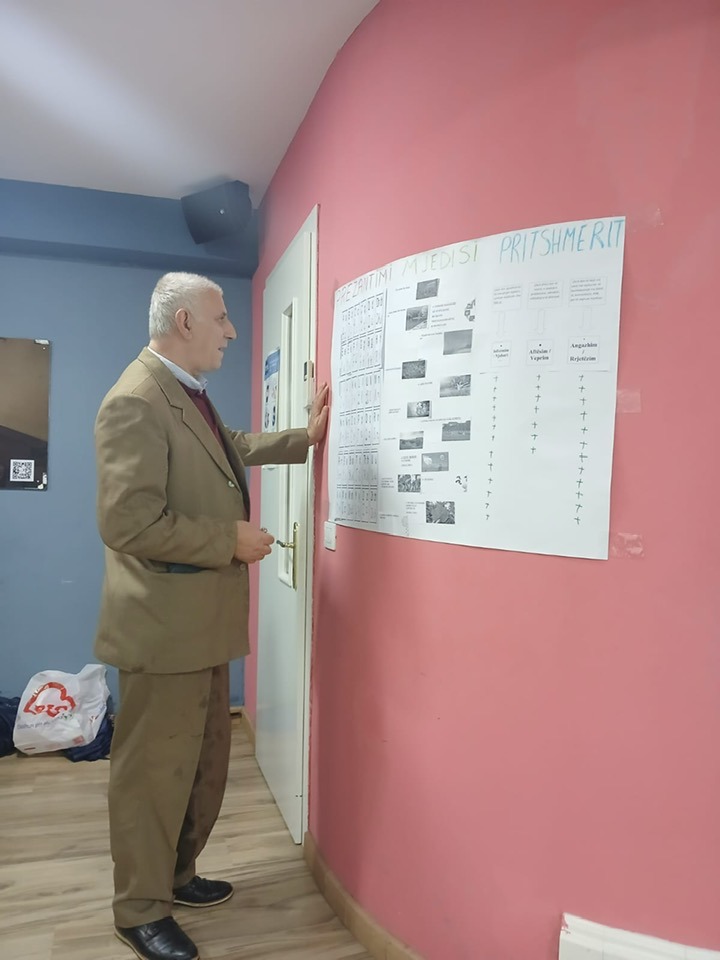
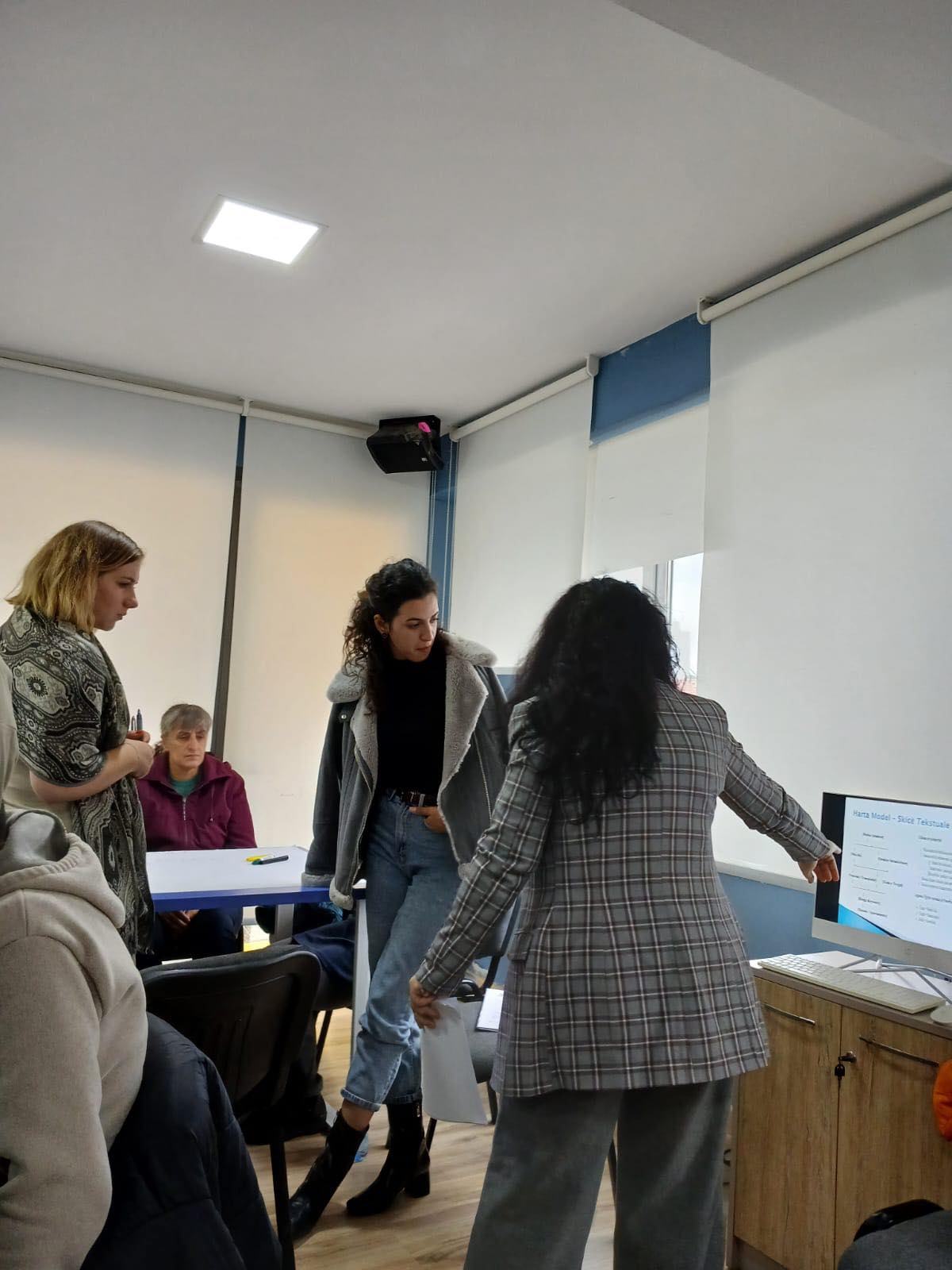
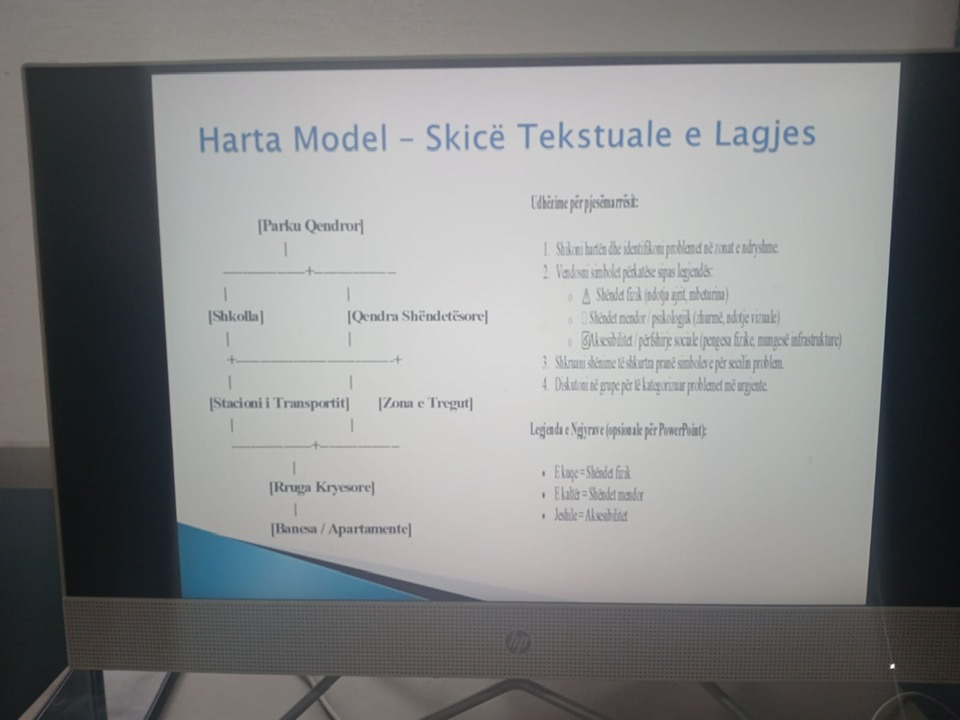
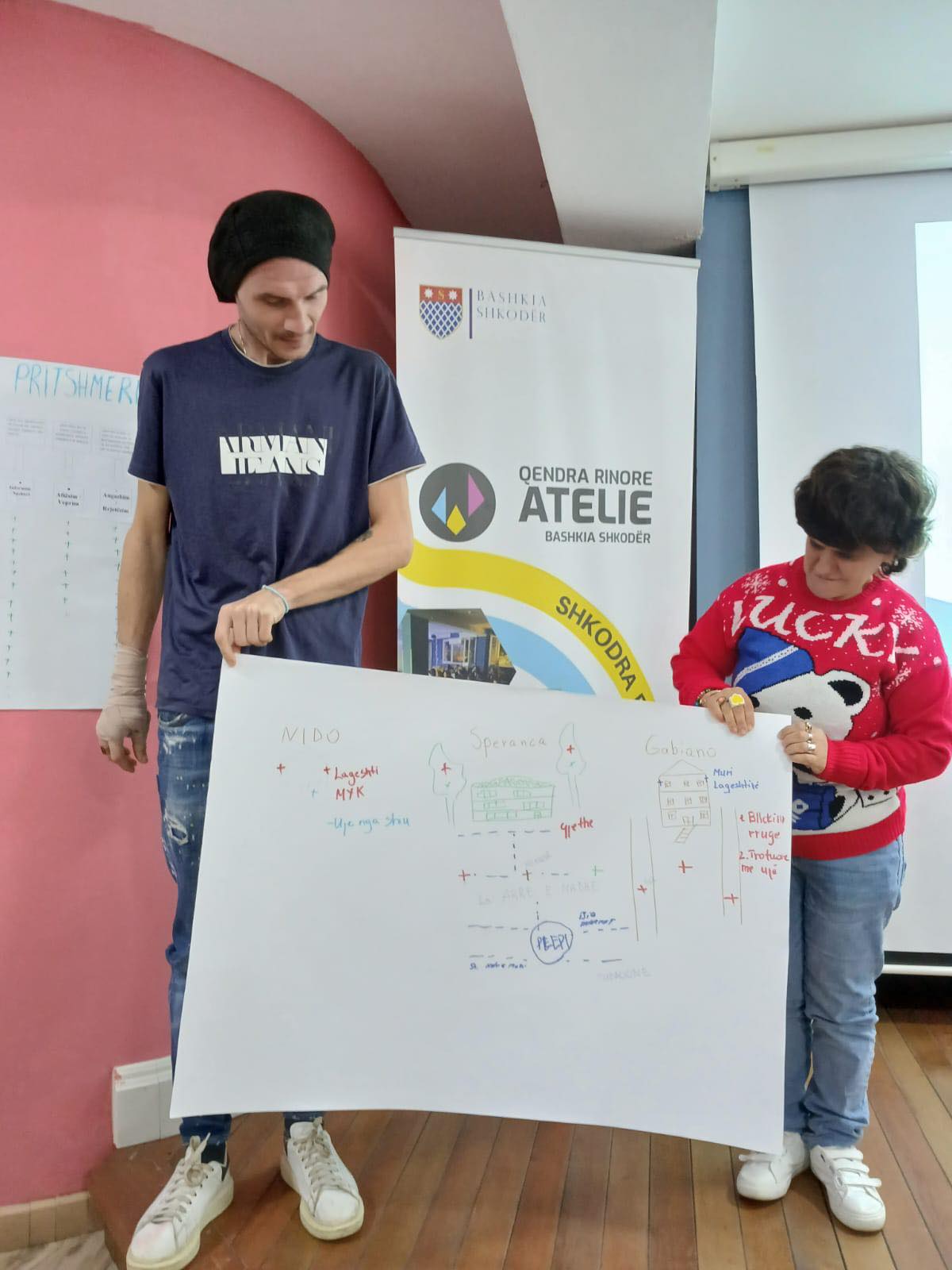
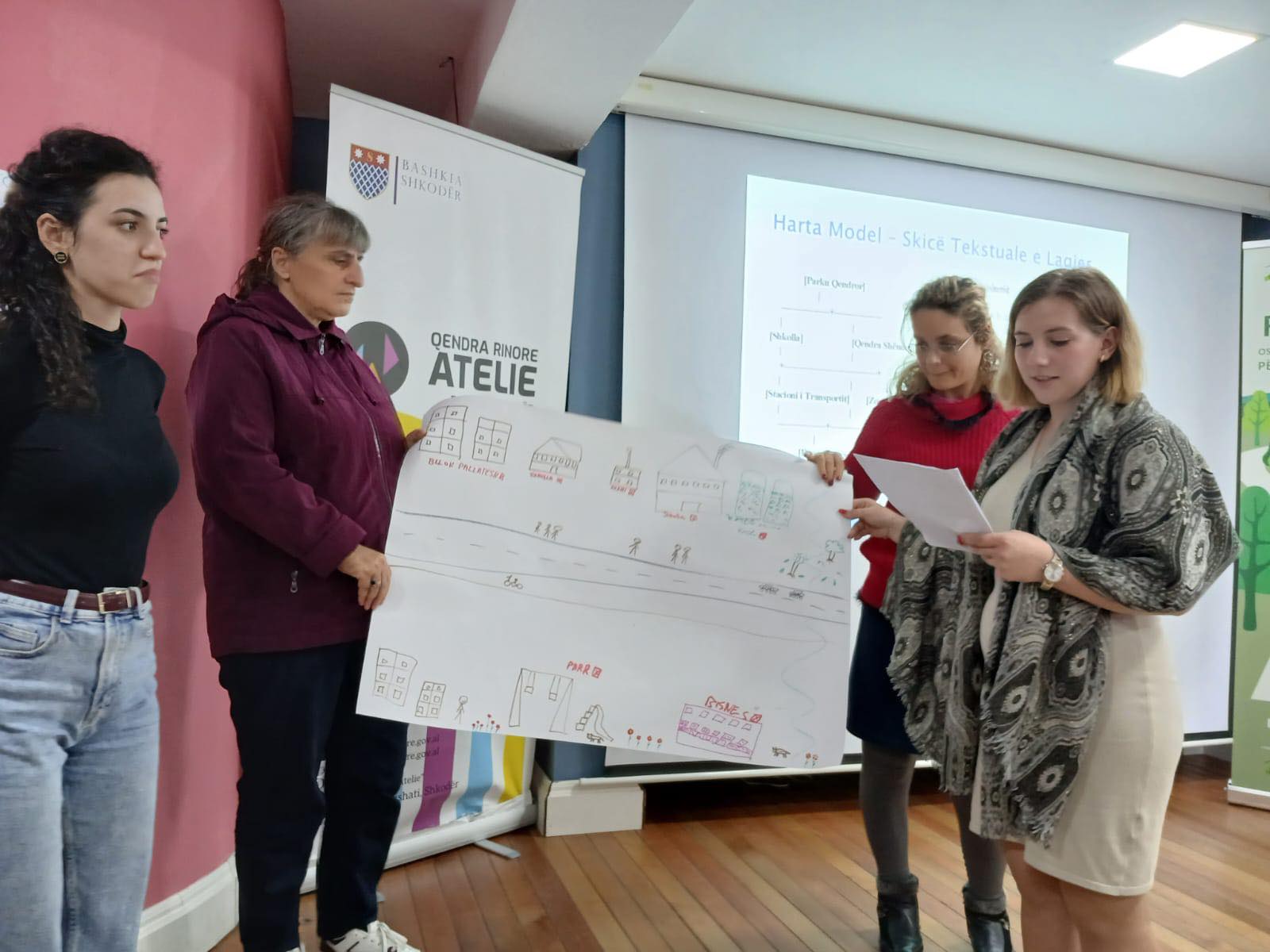
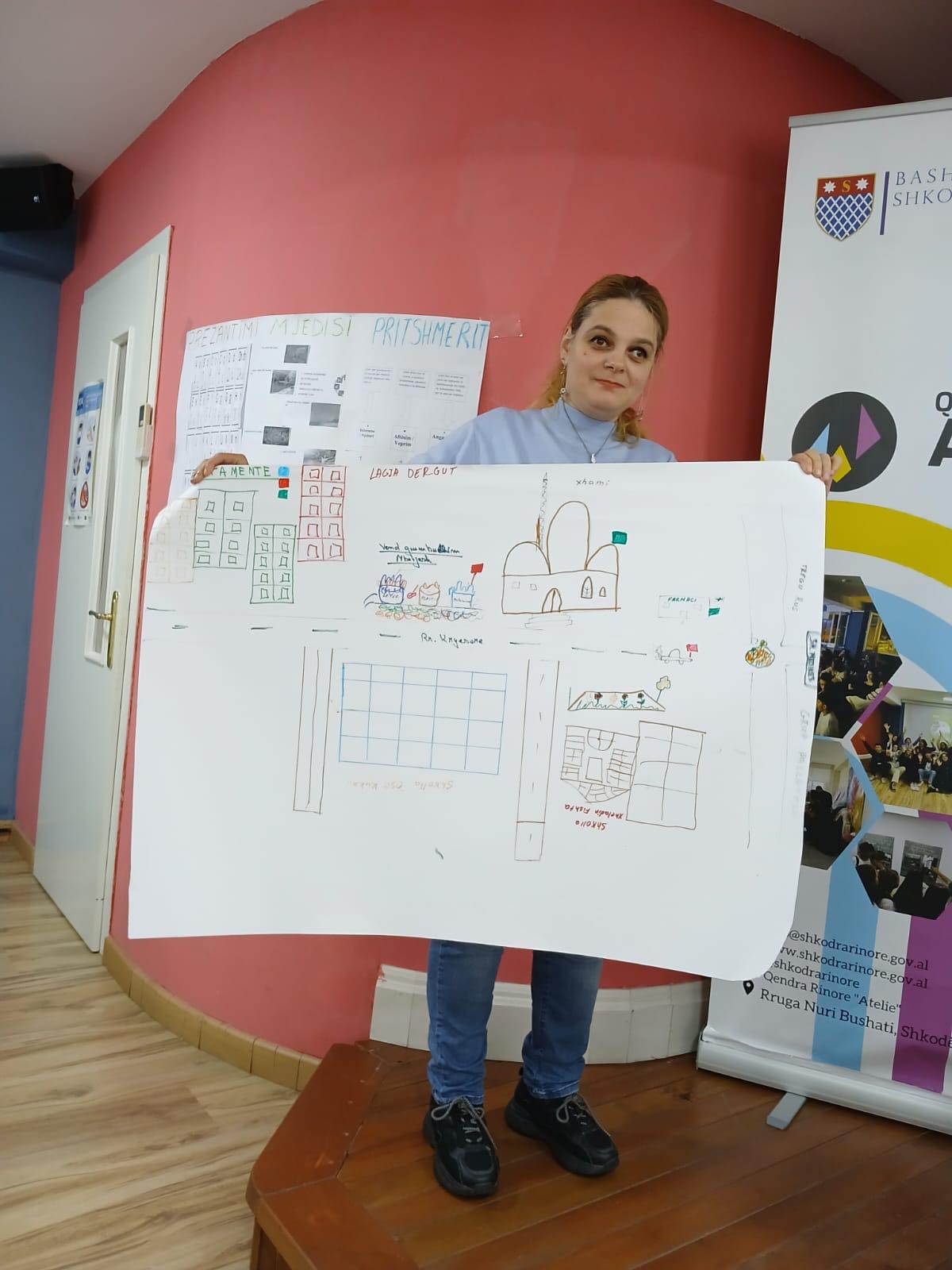
Using practical tools such as a "Map of Local Environmental Issues" and a prioritization matrix participants highlighted specific concerns that require attention and intervention at the local level. Among the issues identified were improper urban waste management, air and water pollution, a lack of green spaces, seasonal flooding, and high temperatures during the summer.
Special attention was given to the challenges faced by persons with disabilities in using public spaces and during extreme weather events.
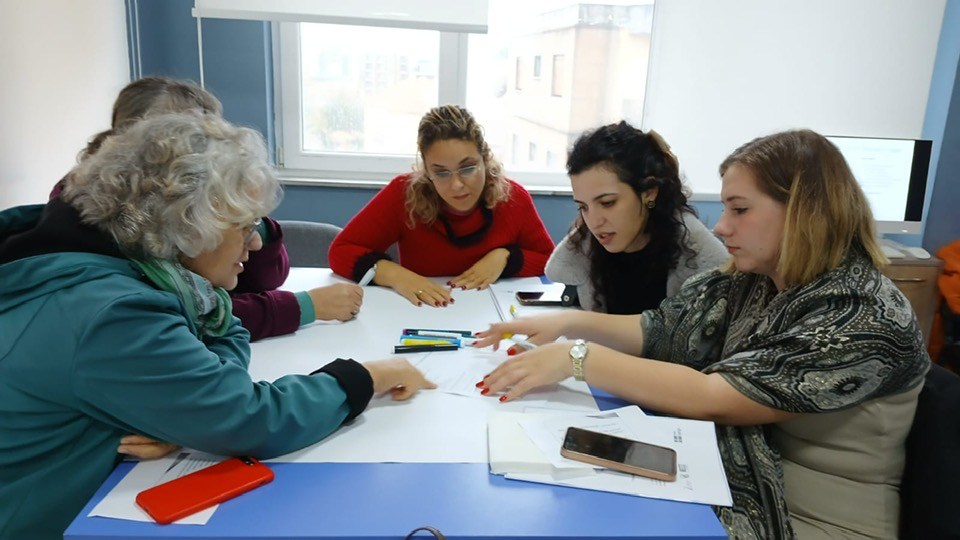
Group work helped define community priorities and established a foundation for planning advocacy campaigns.
Day Three December 11, 2025
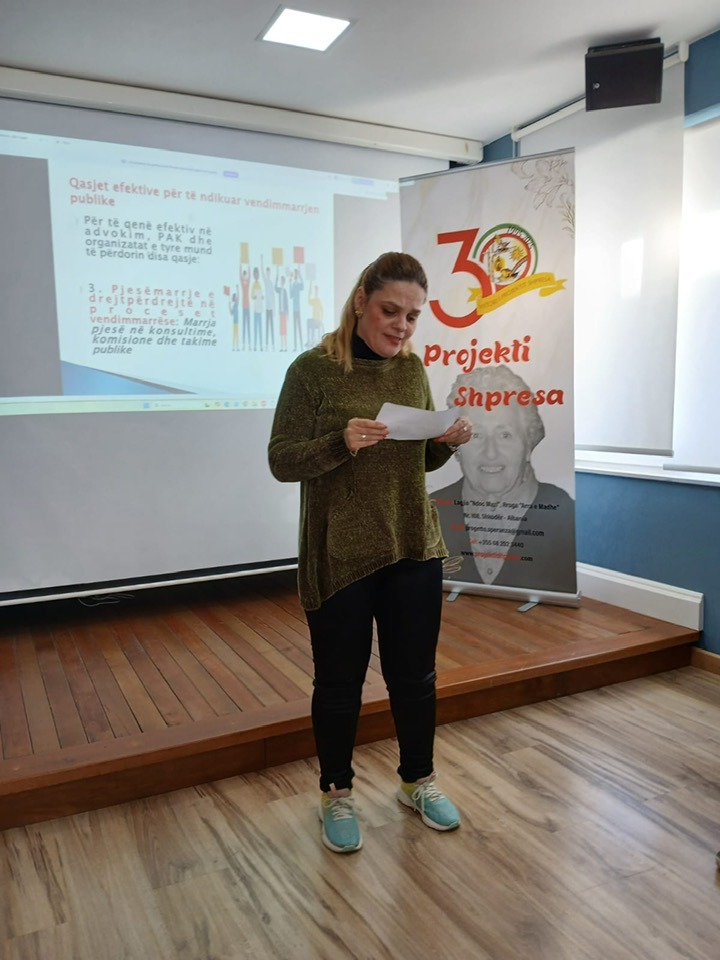
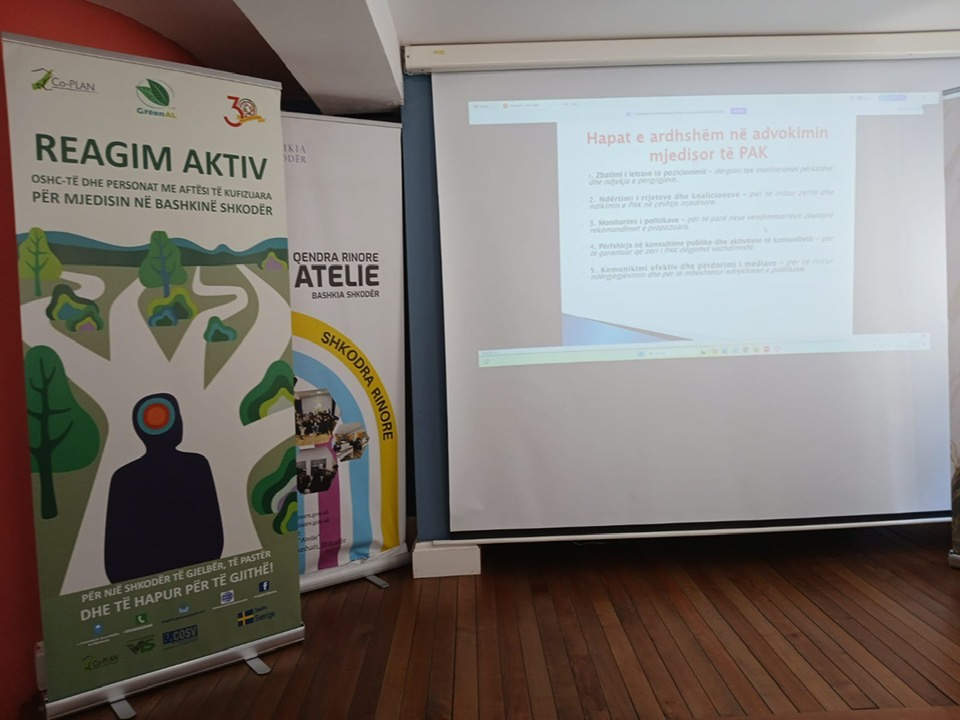
Environmental Advocacy and Participation in Decision-Making
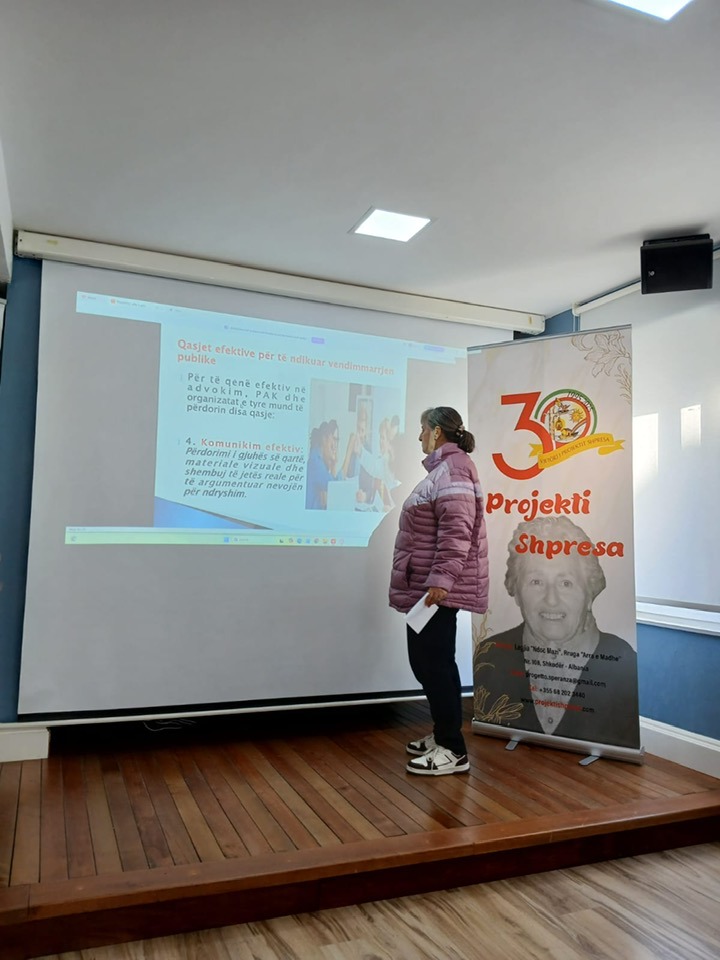
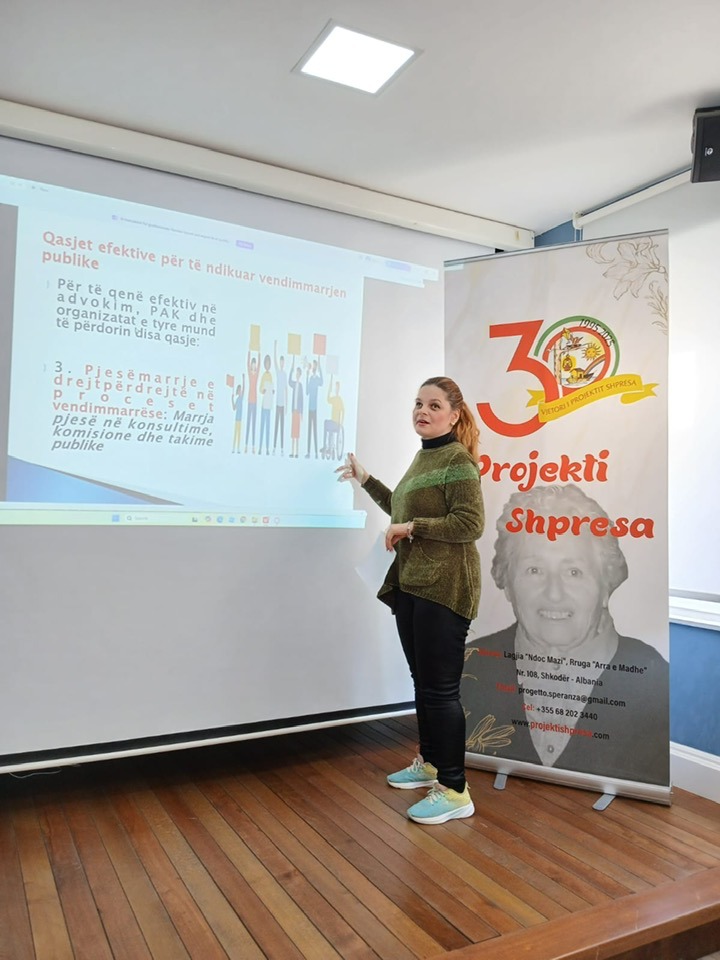
The third day focused on mechanisms for environmental advocacy and ways to influence public policy.
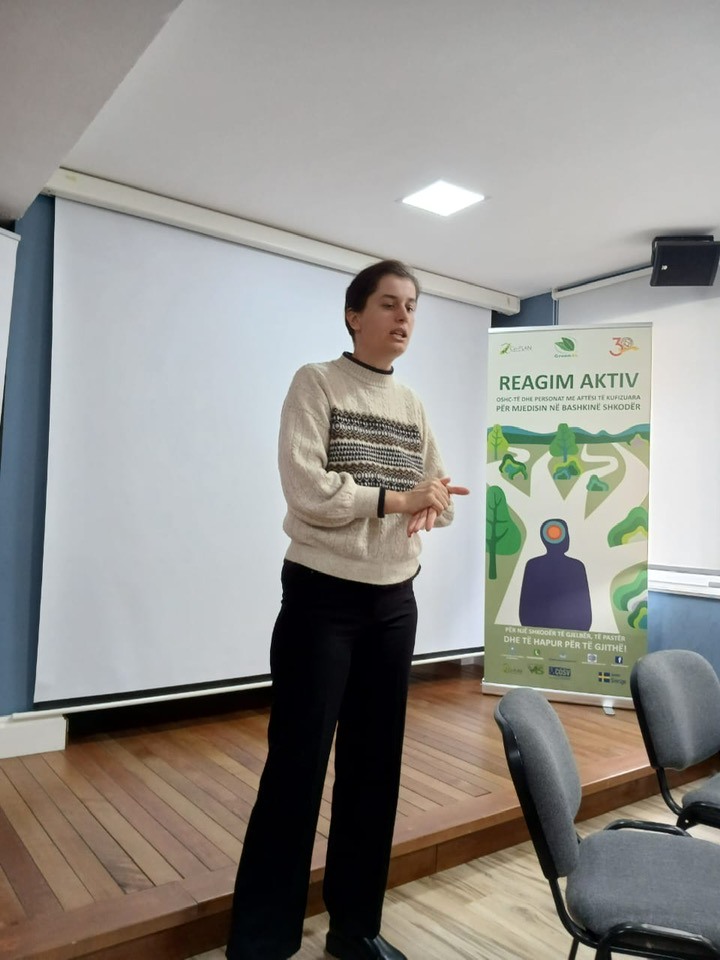
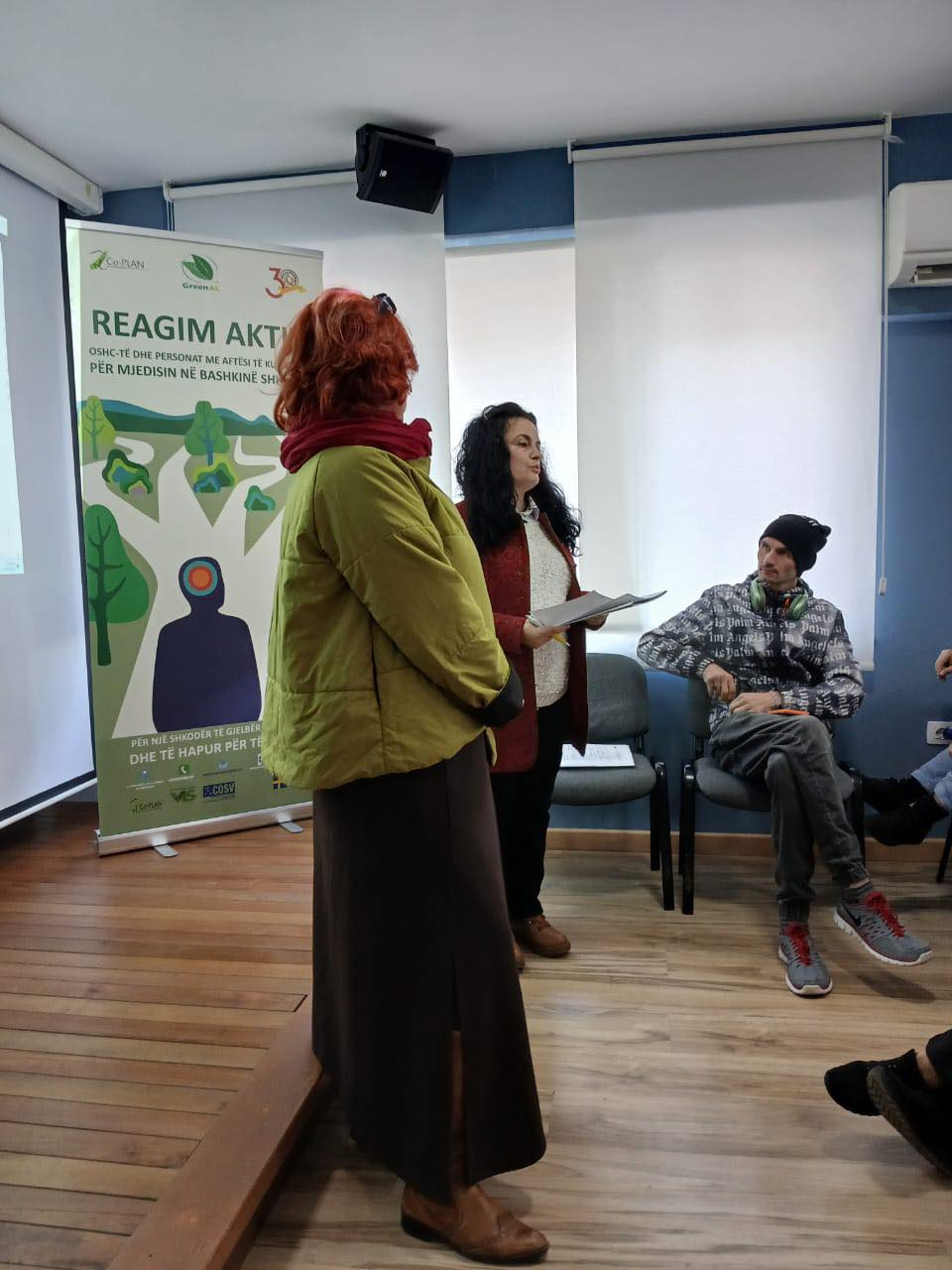
The session was opened by Mr. Luigj Mila, Head of the Association, who emphasized the importance of civic engagement and the inclusion of persons with disabilities in environmental protection efforts.
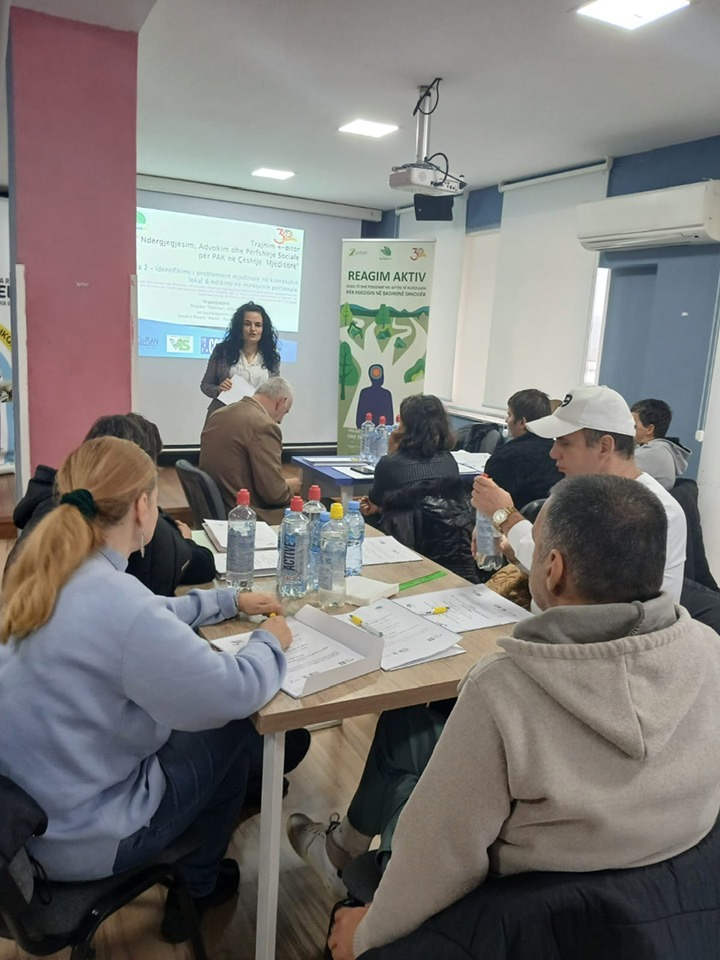
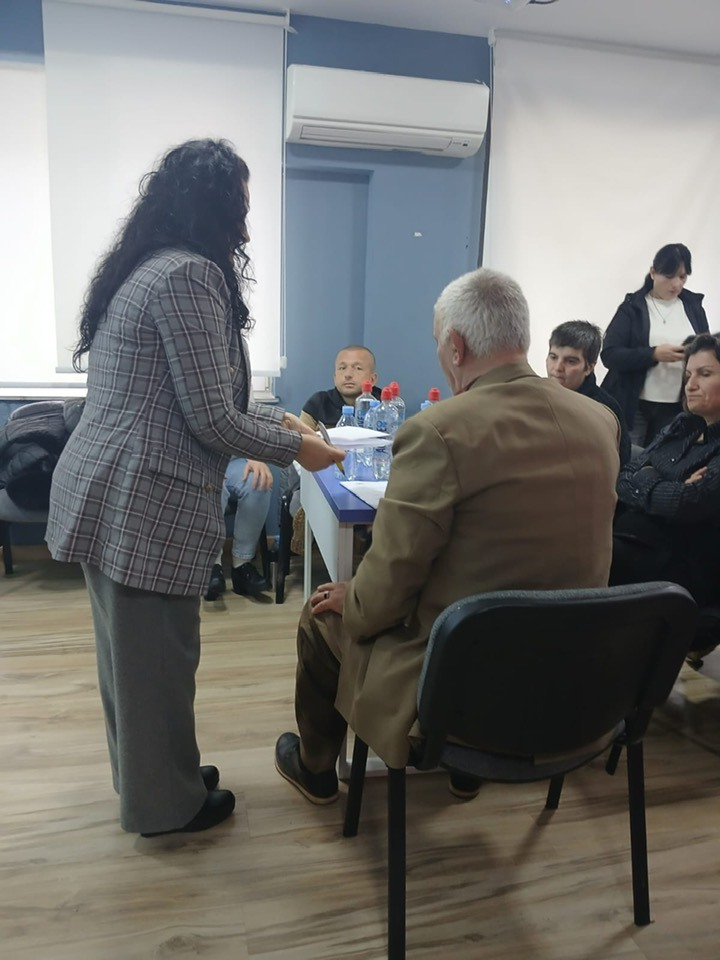
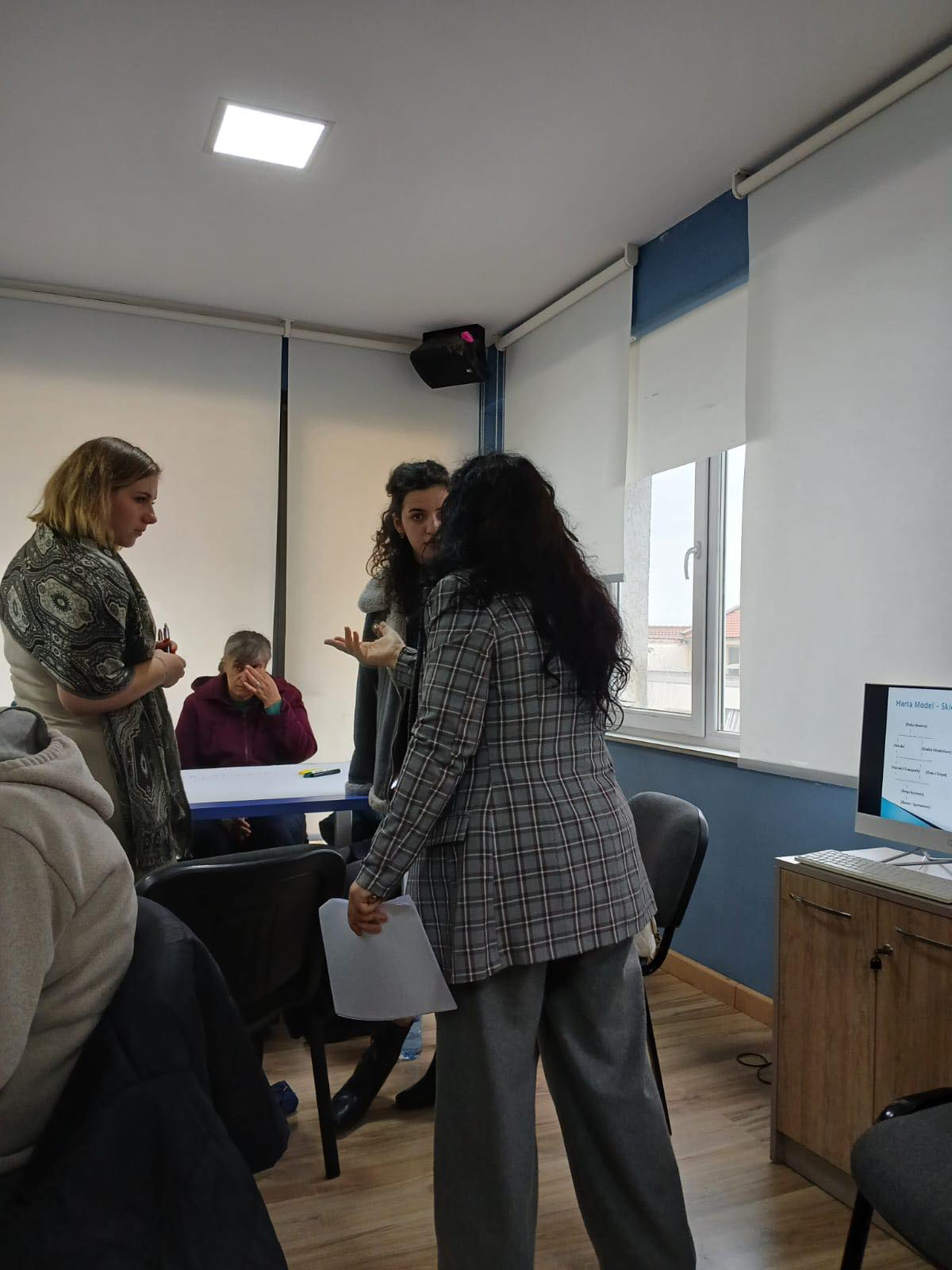
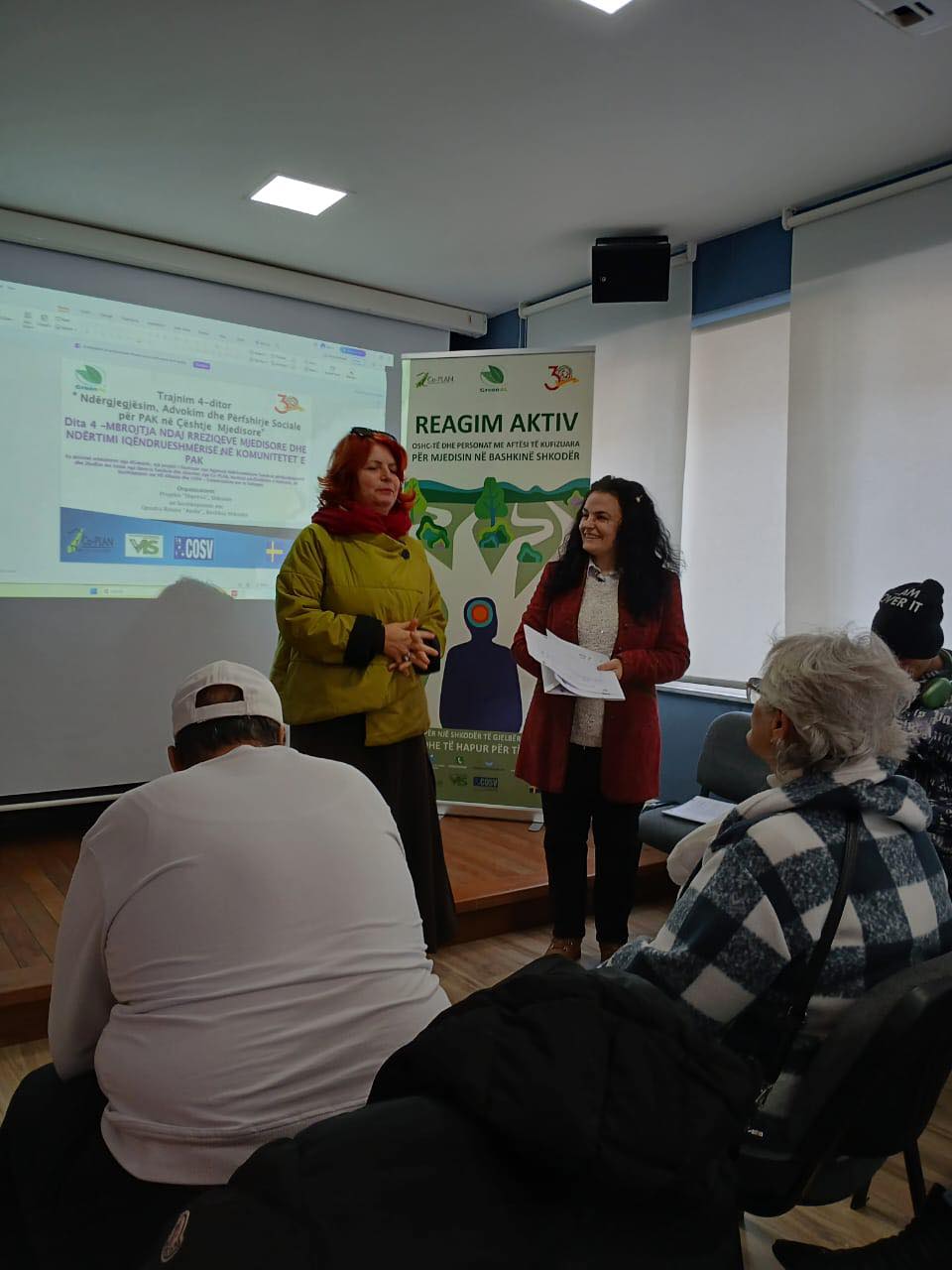
Under the guidance of trainer Suela Ndoja, participants learned techniques for identifying decision-makers, building partnerships, participating in public consultations, and drafting position papers on environmental issues.
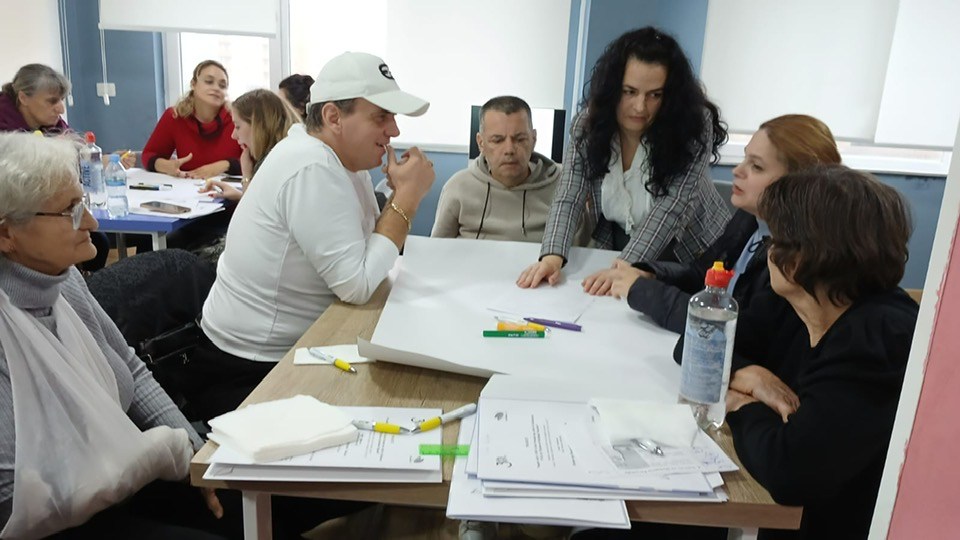
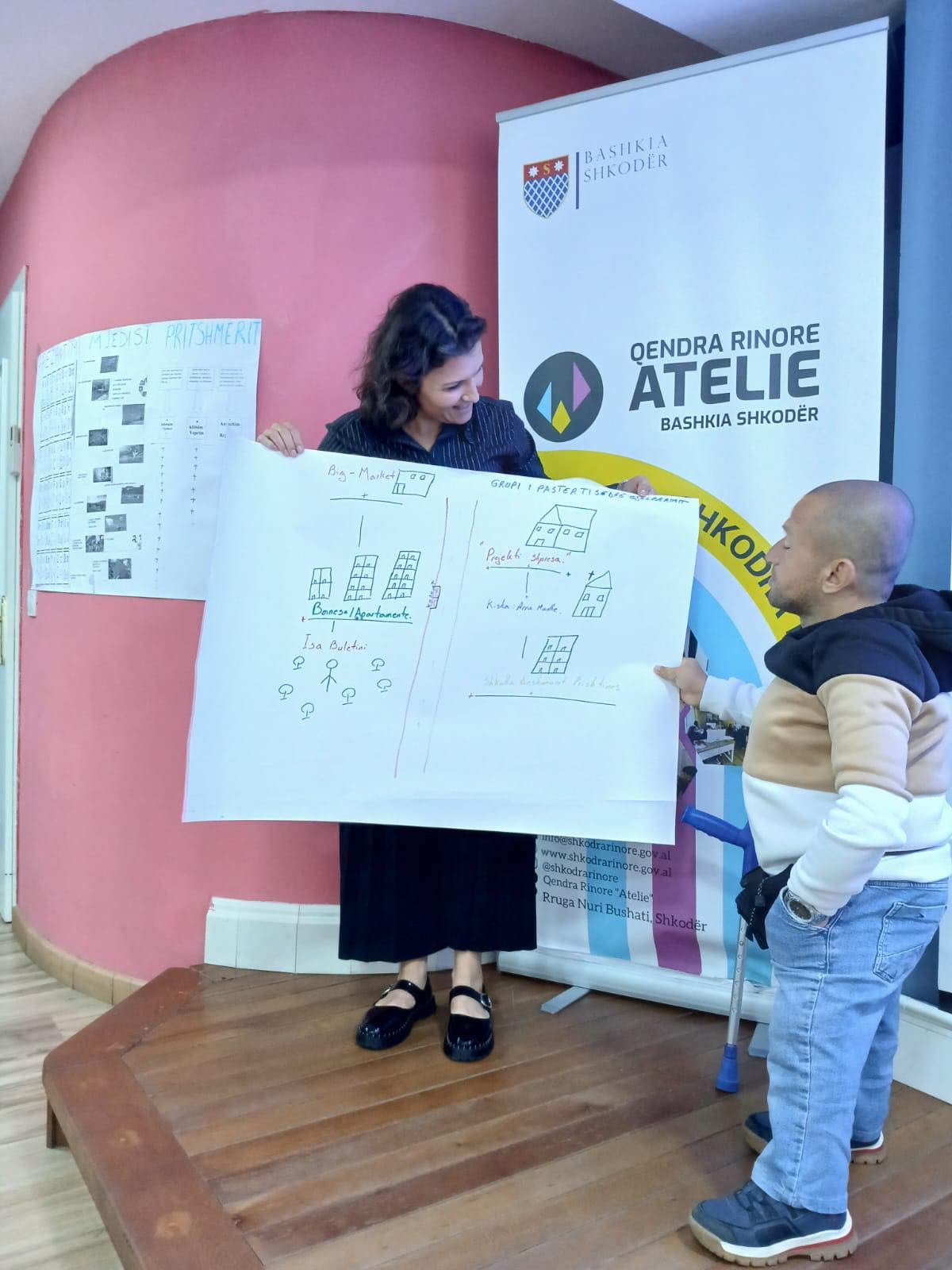
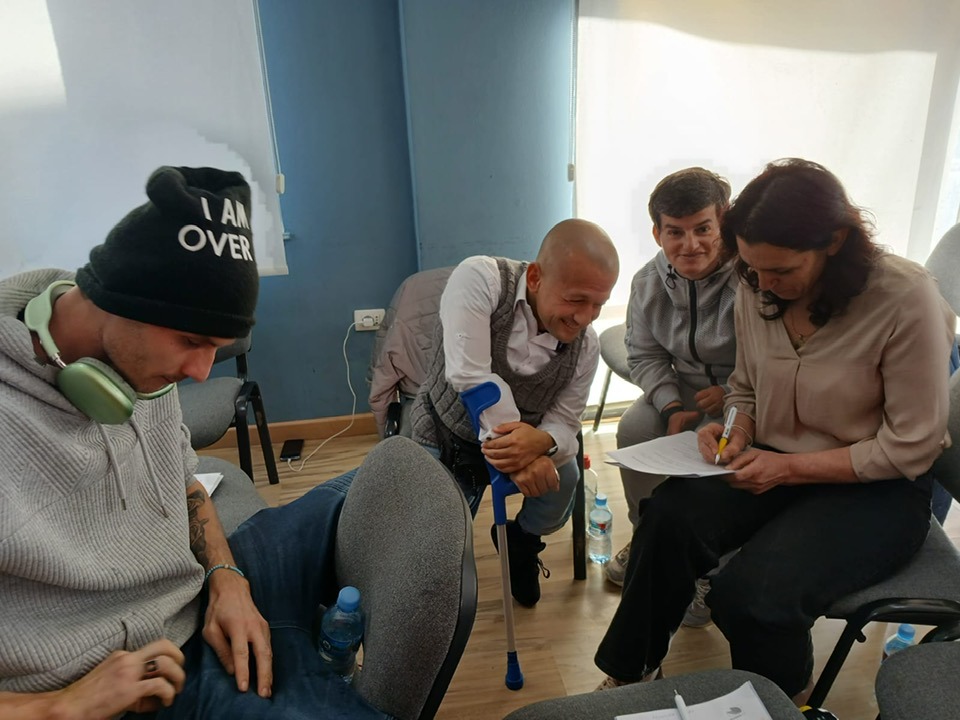
Through practical workshops, the groups drafted proposals addressing specific community issues, while developing skills in substantiating their requests and communicating with public institutions.
Day Four December 12, 2025
Environmental Risks, Community Resilience, and Emergency Response
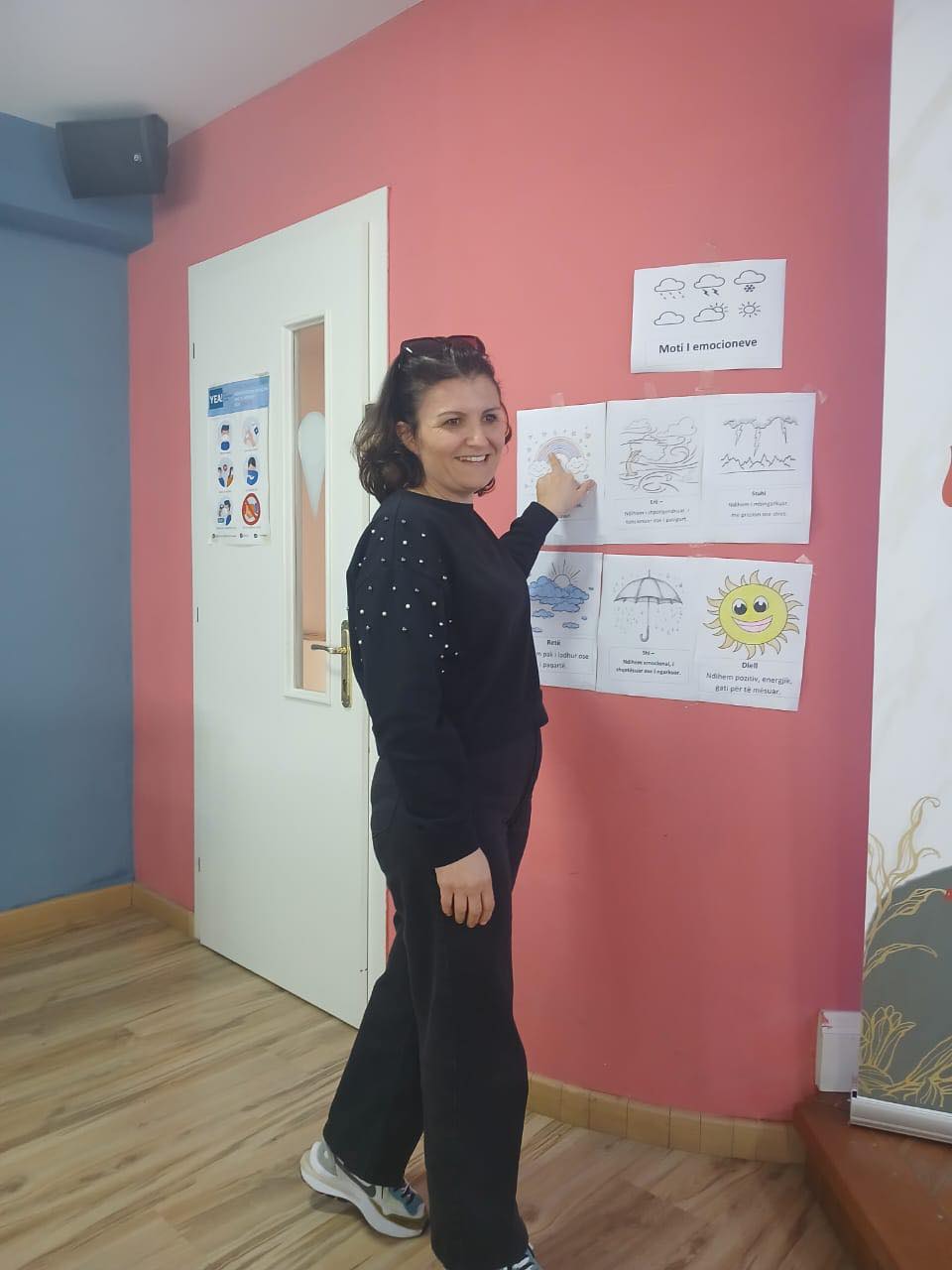
The fourth day focused on identifying environmental risks that affect persons with disabilities and on developing strategies to enhance community resilience.
Thematic sessions covered air and water pollution, waste management, and climate change, as well as barriers affecting the accessibility, mobility, and safety of persons with disabilities.
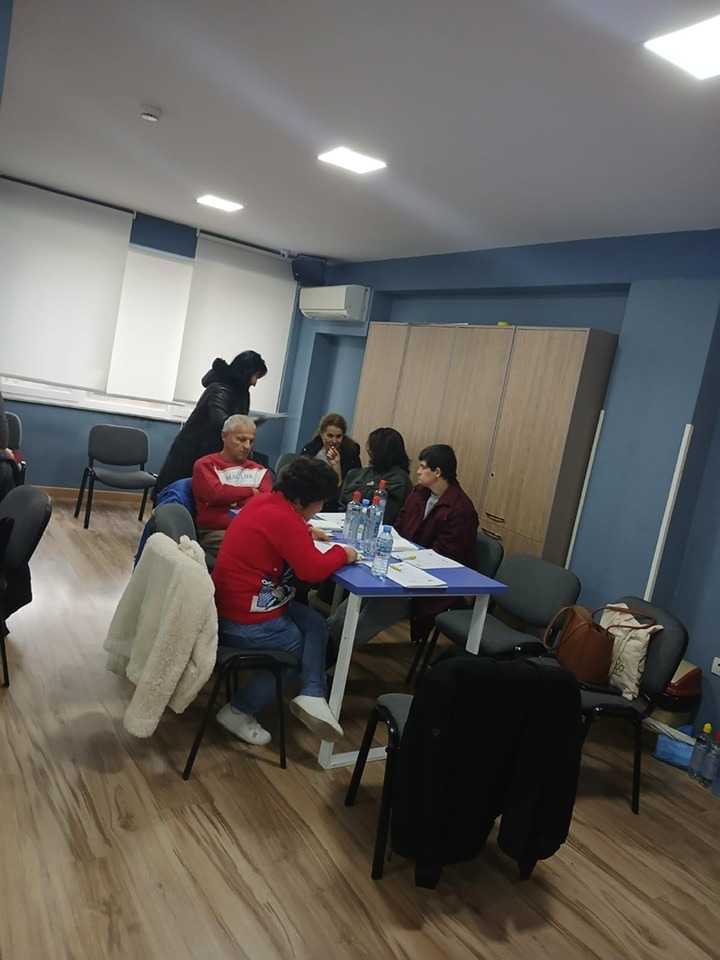
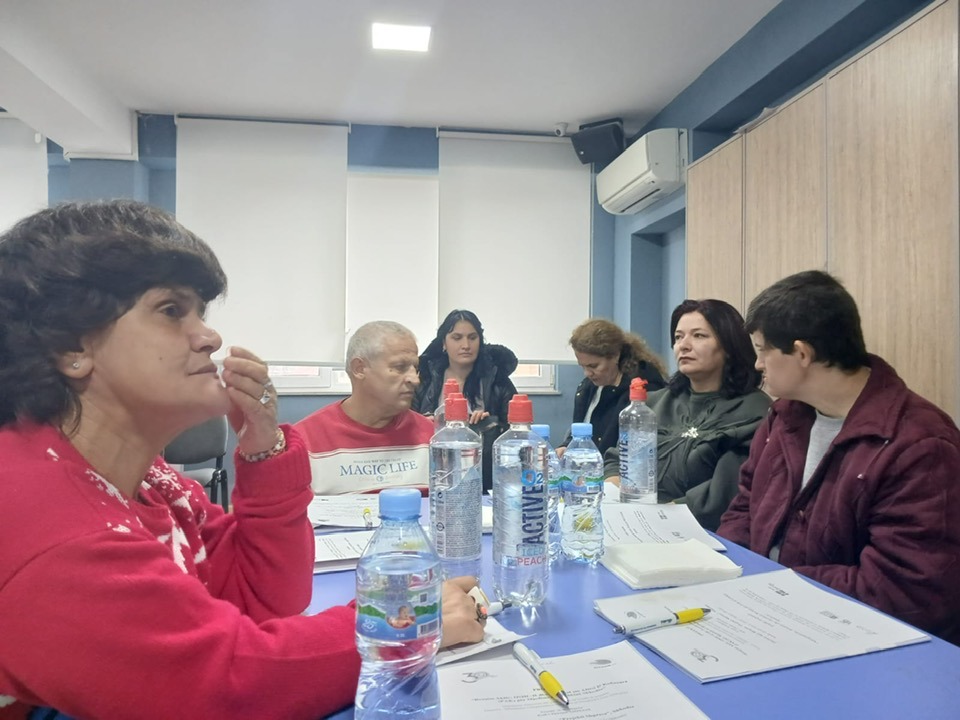
Participants worked in groups to propose preventive measures, improve community information, ensure access to emergency services, and strengthen cooperation with local institutions.
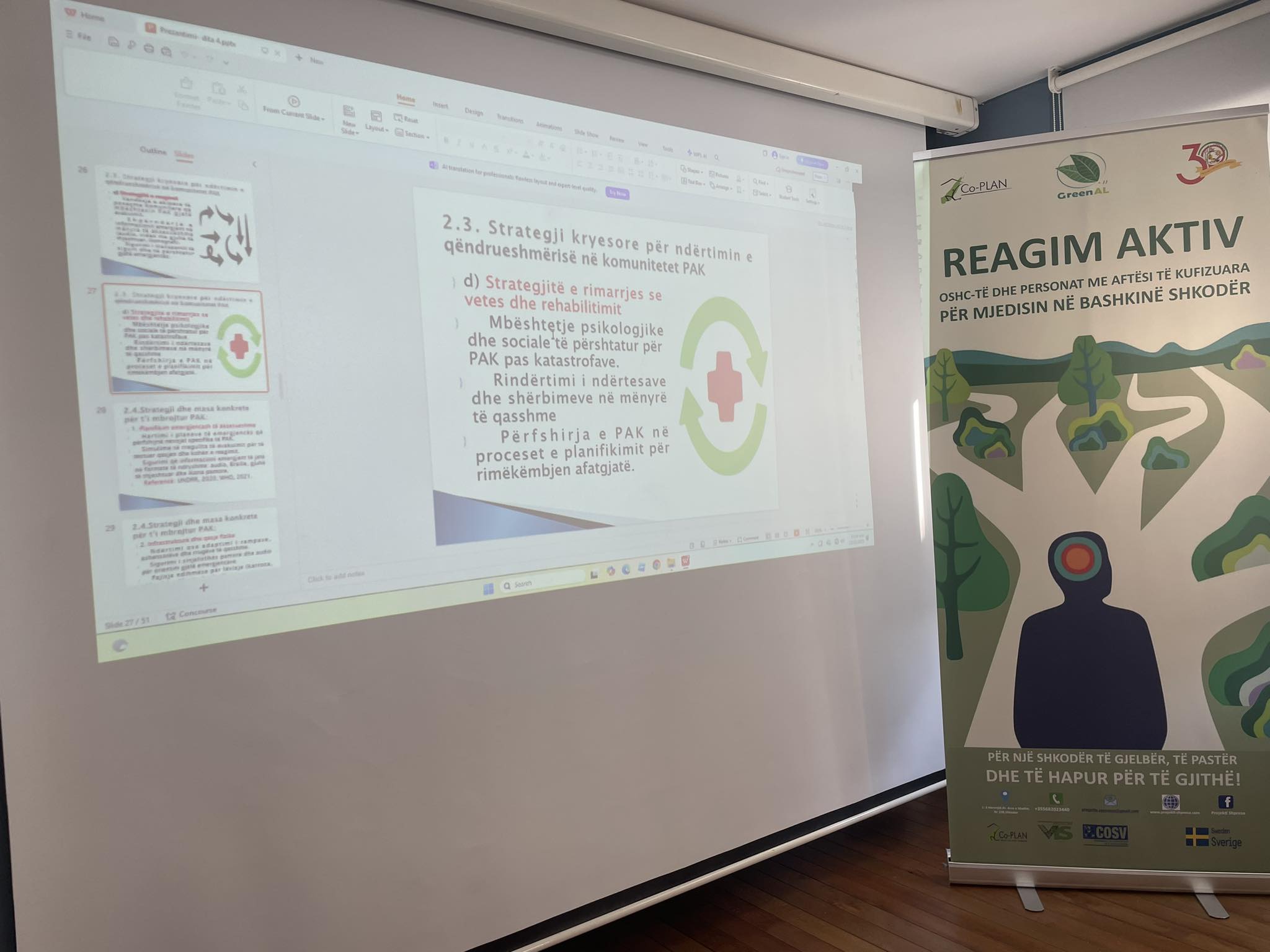
A dedicated segment addressed the active inclusion of persons with disabilities in emergency response plans and the planning processes for protective measures.
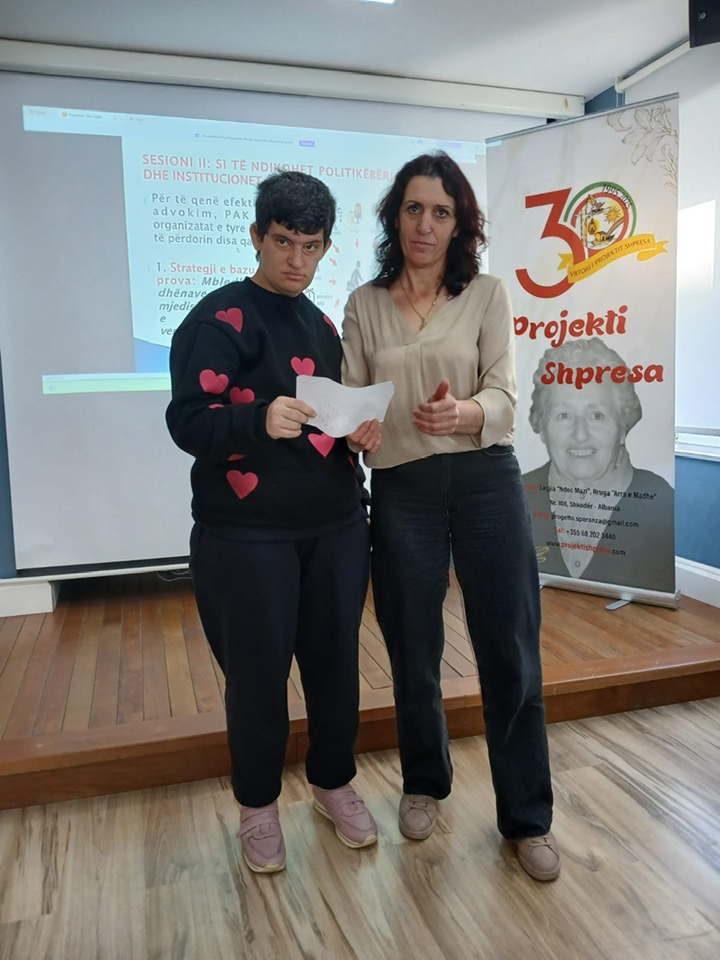
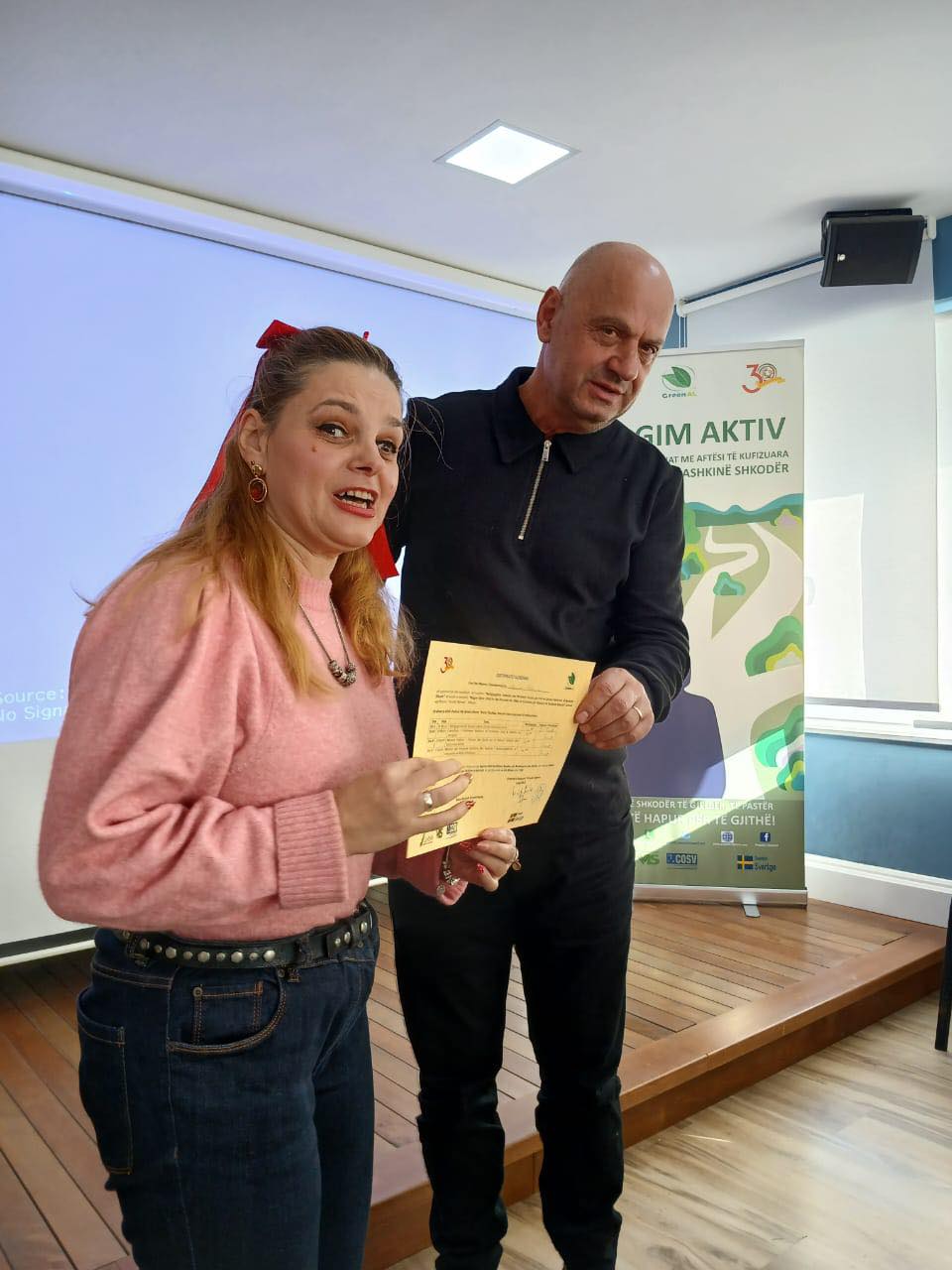
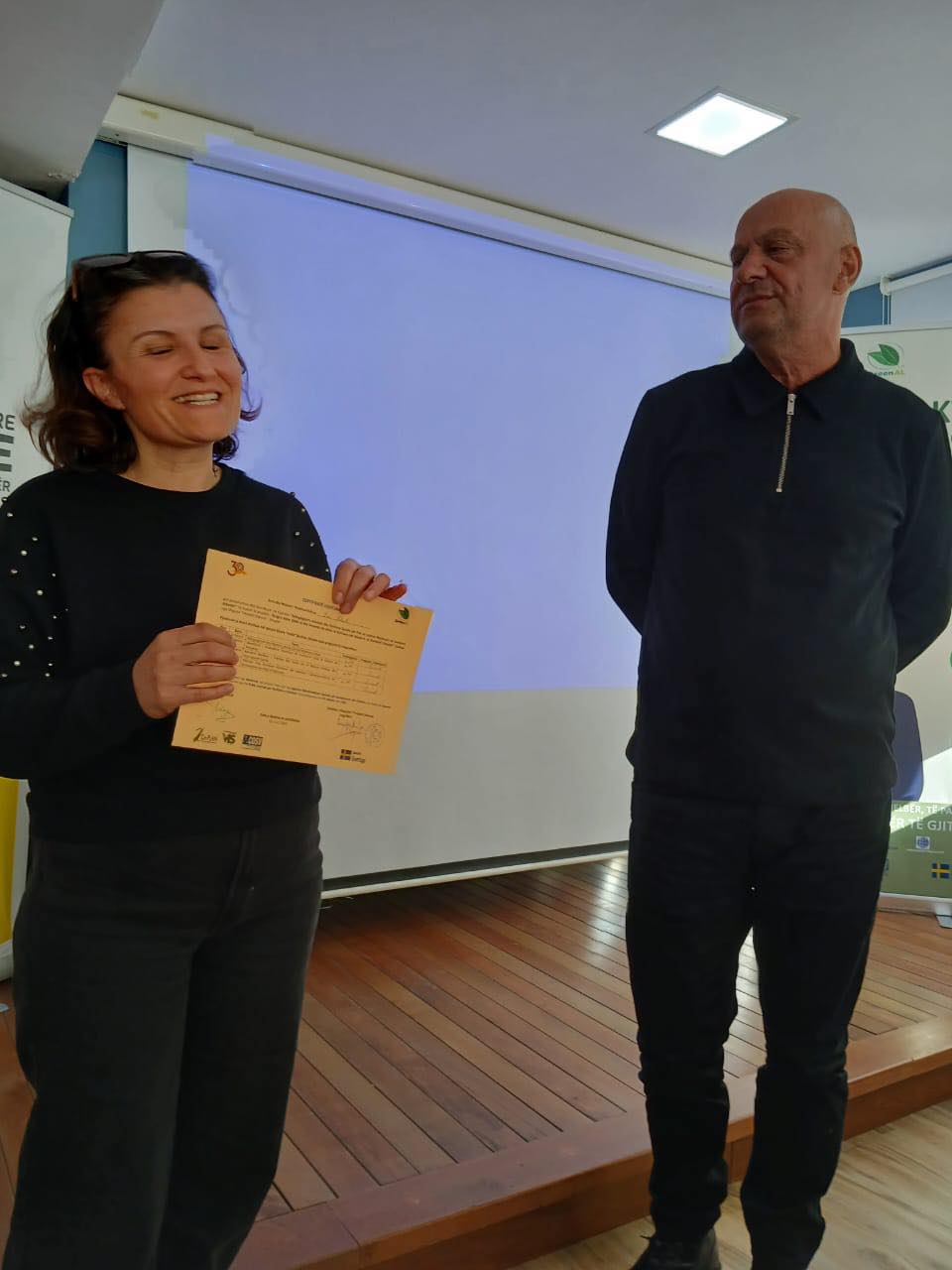
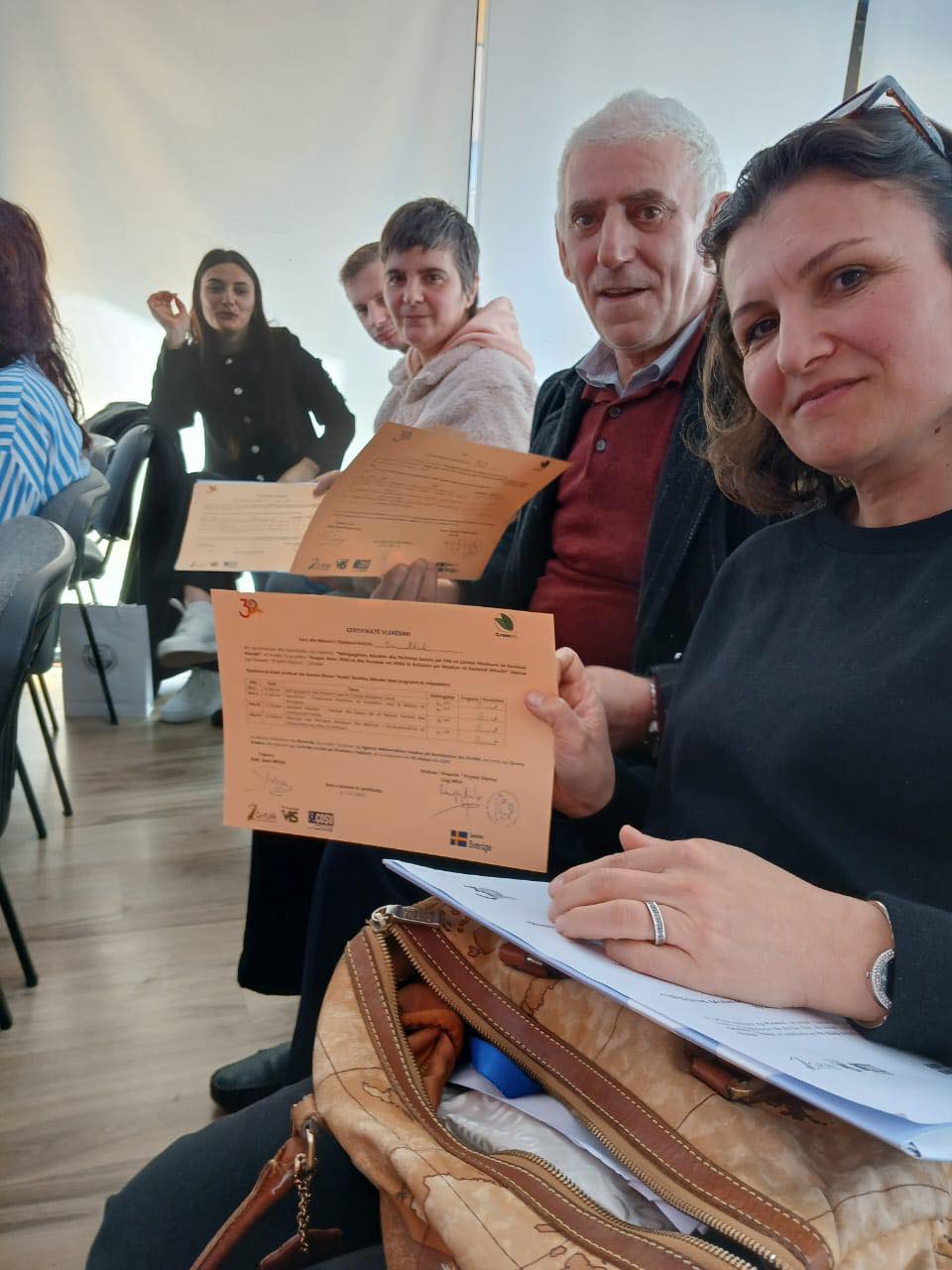
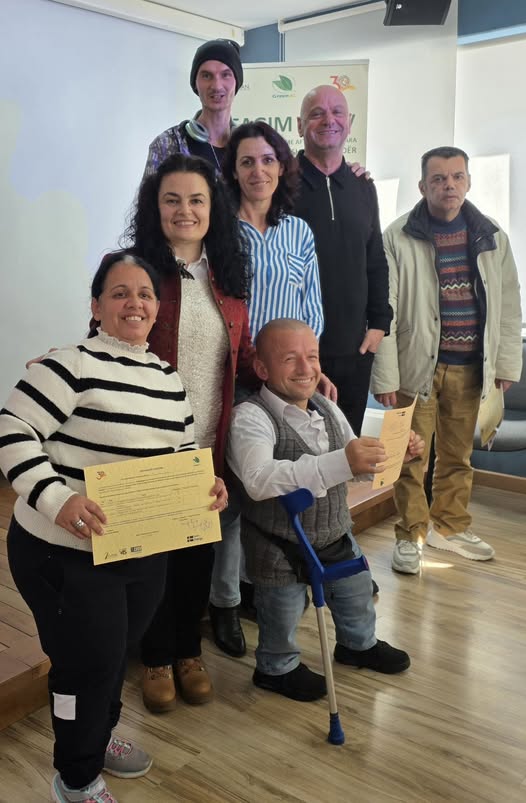
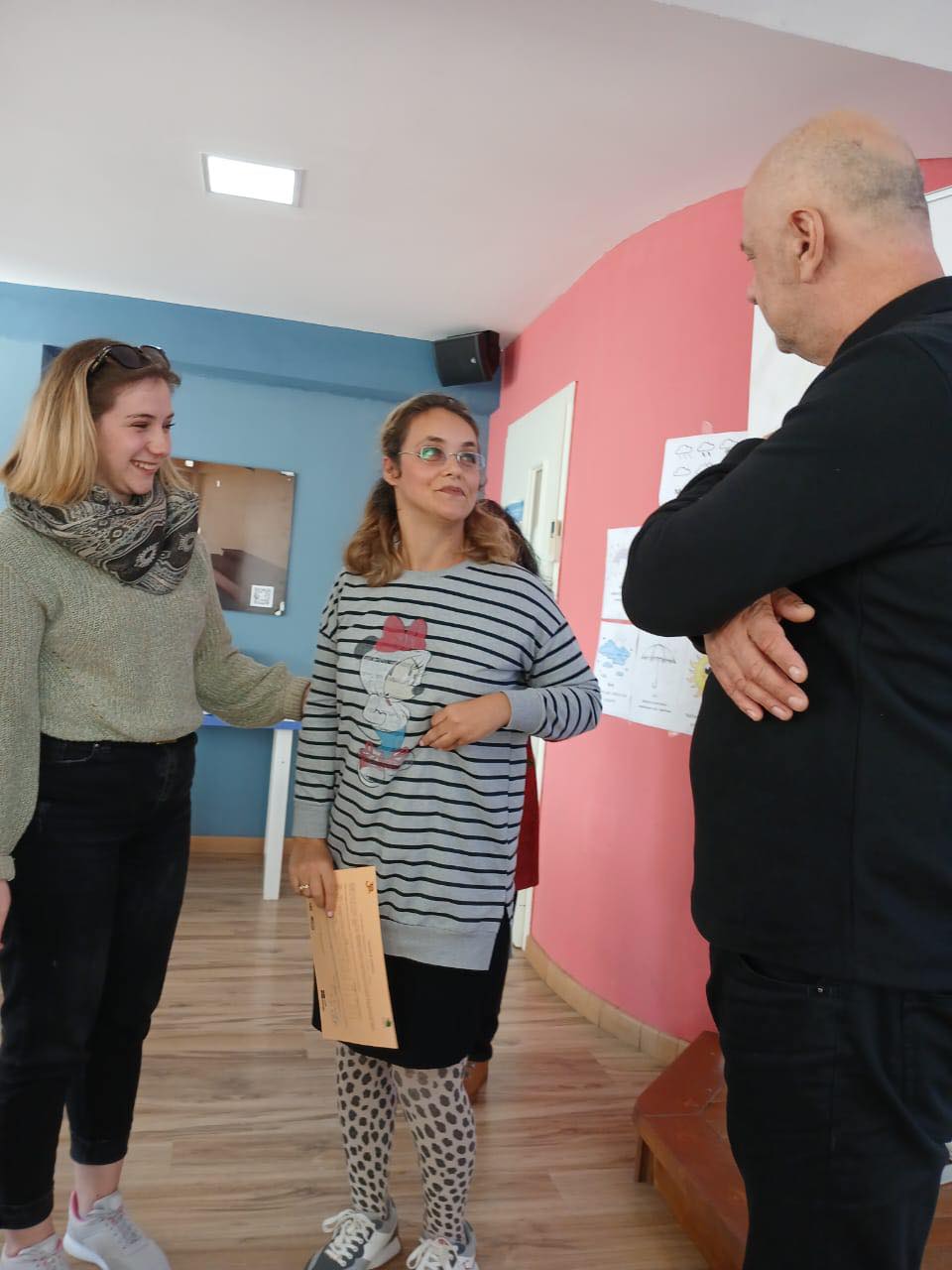
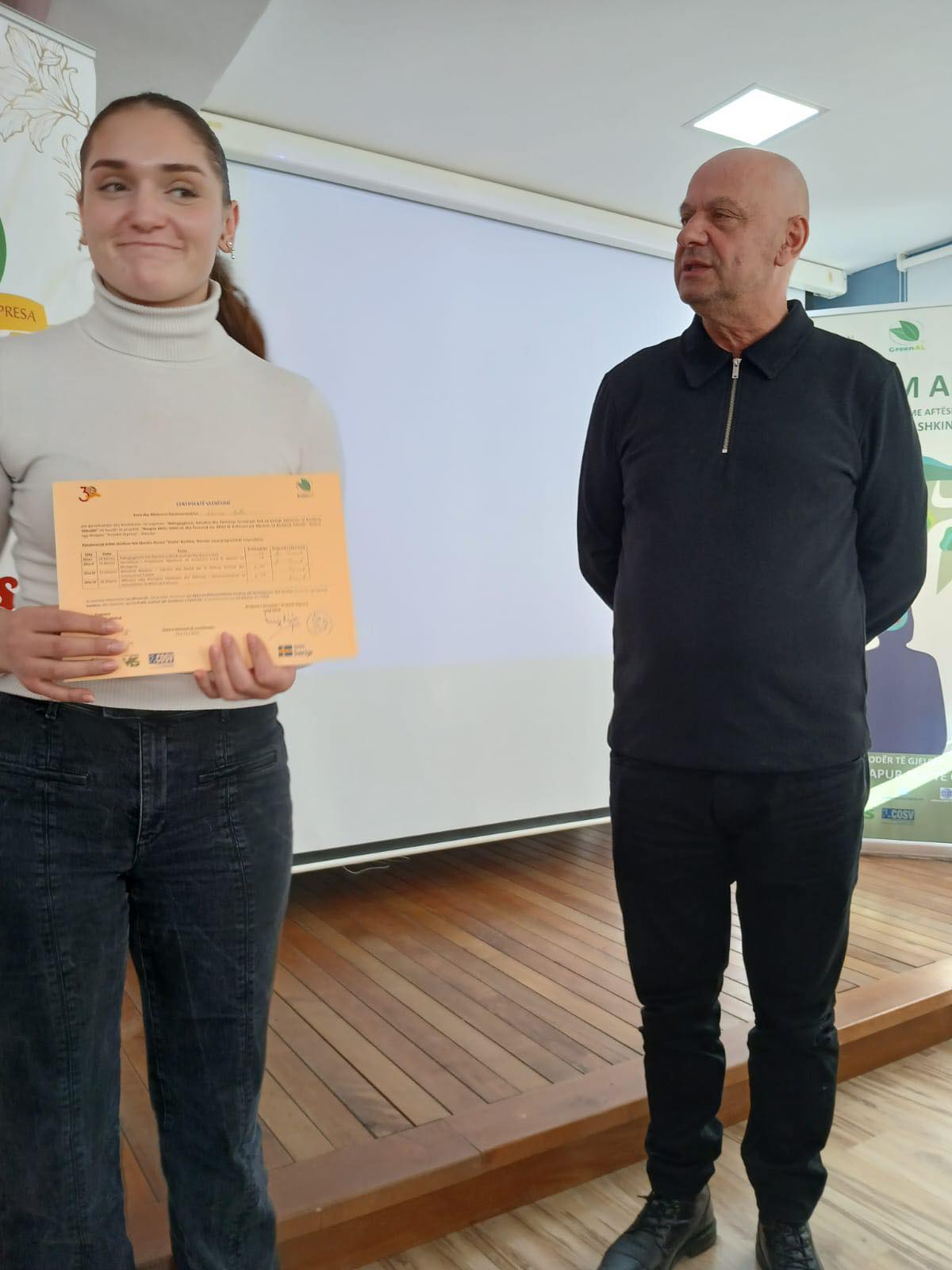
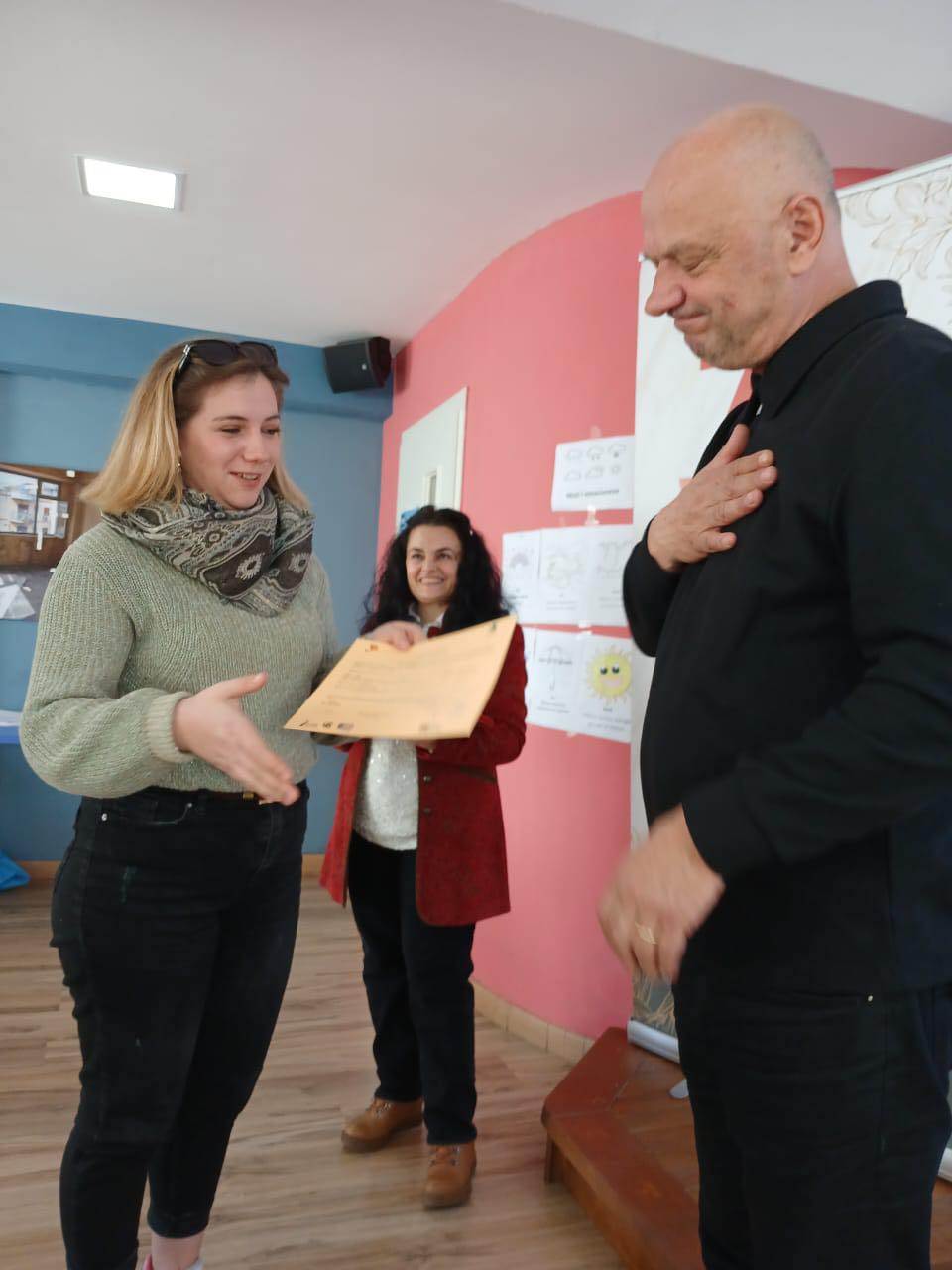
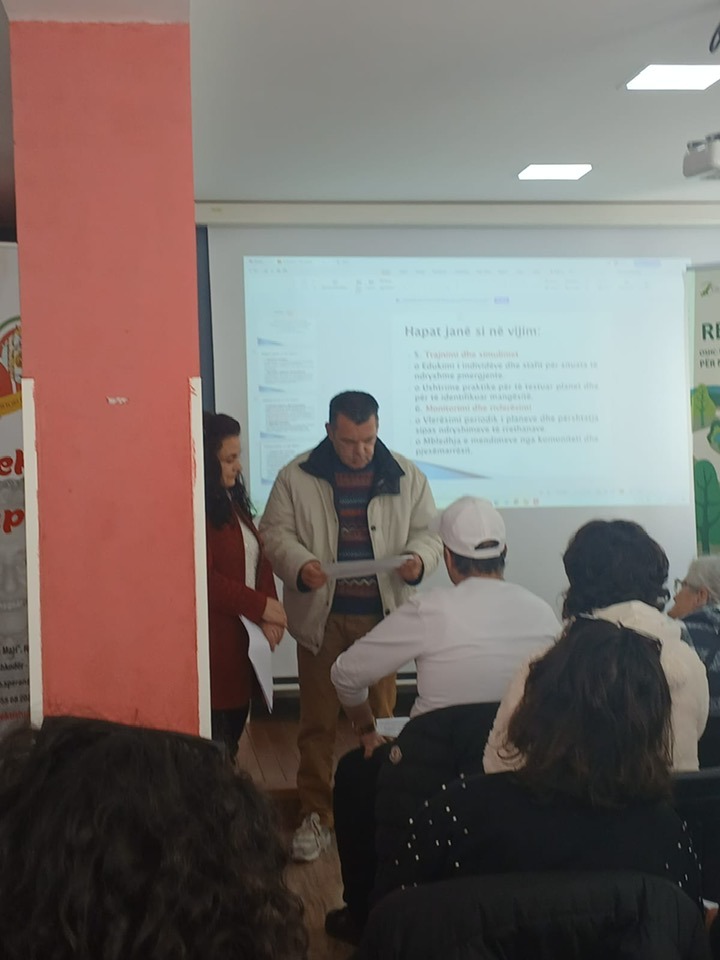
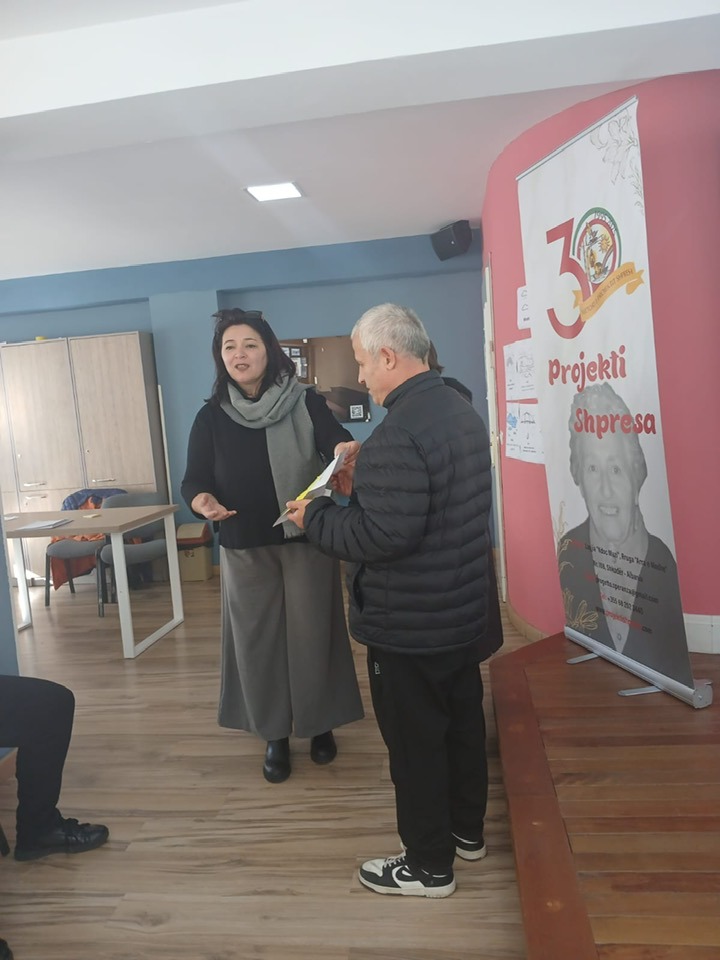
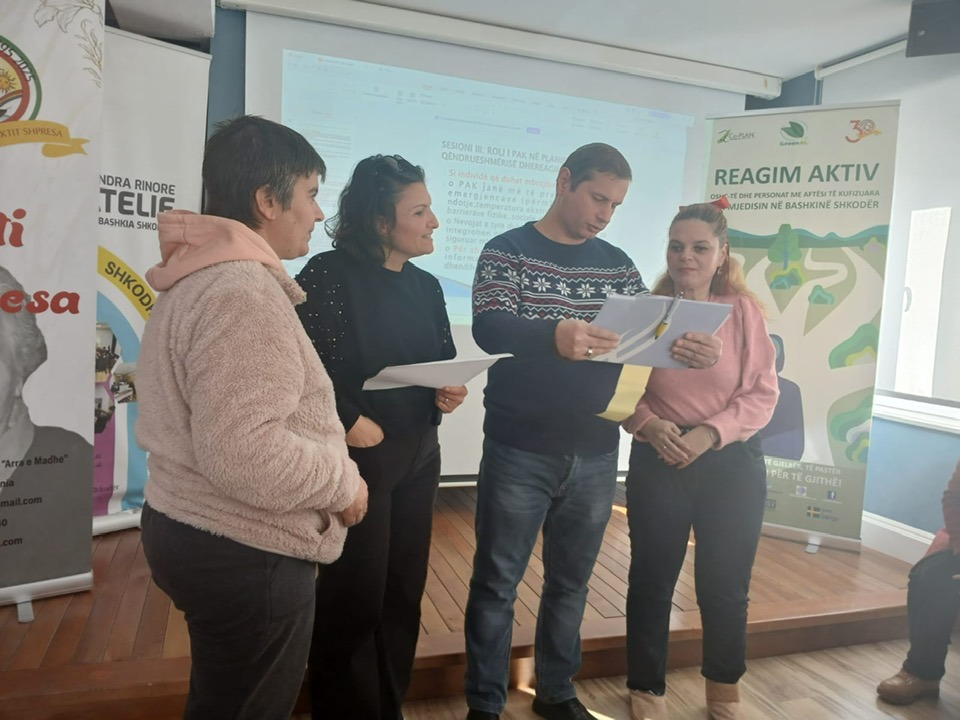
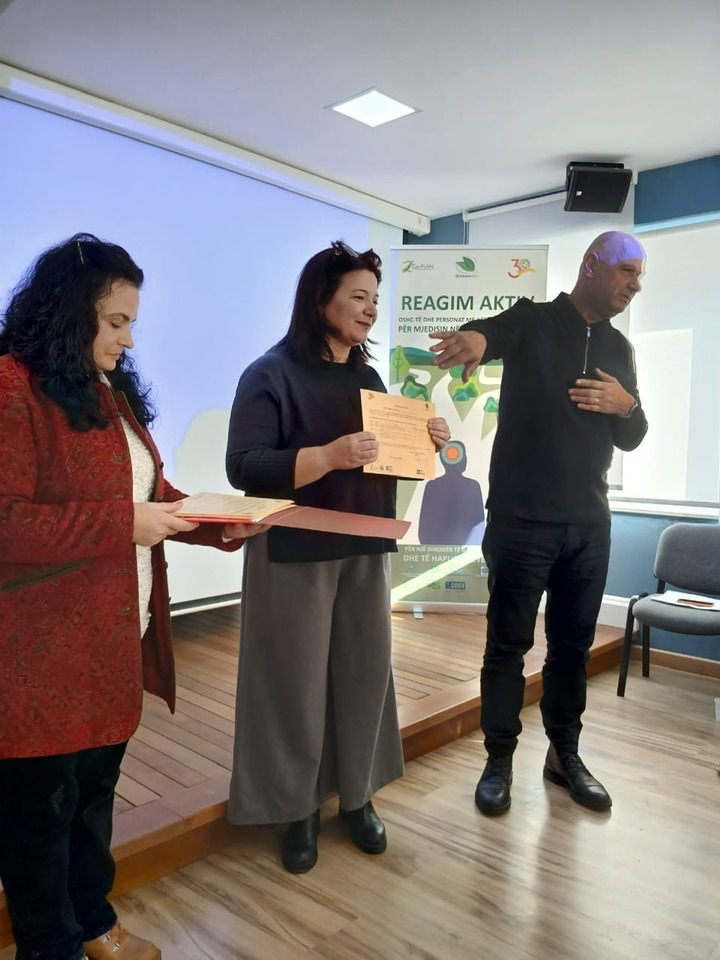
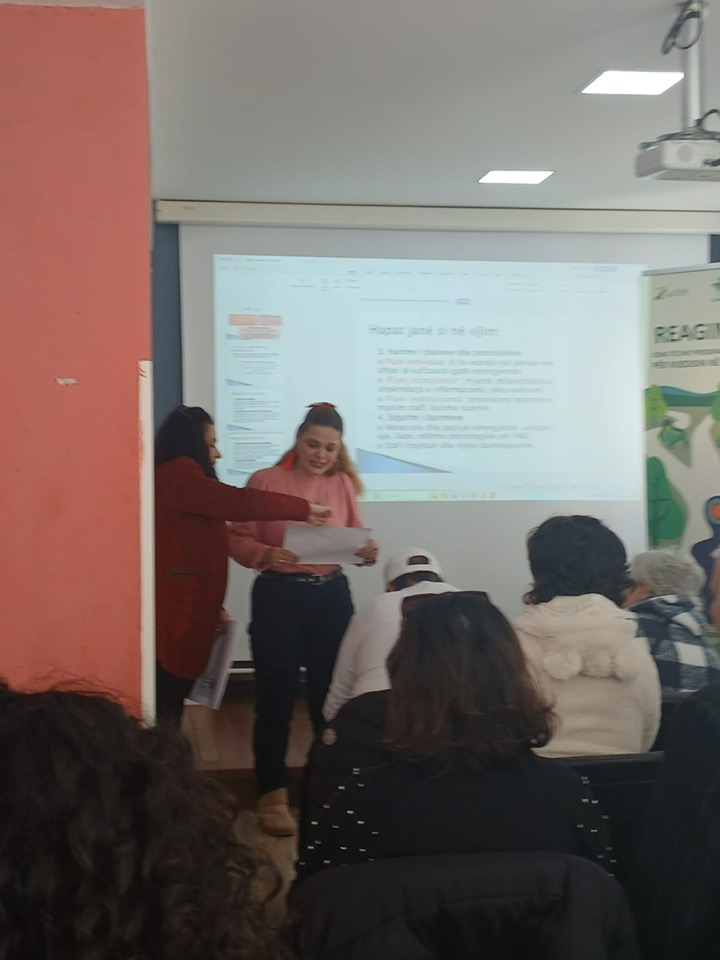
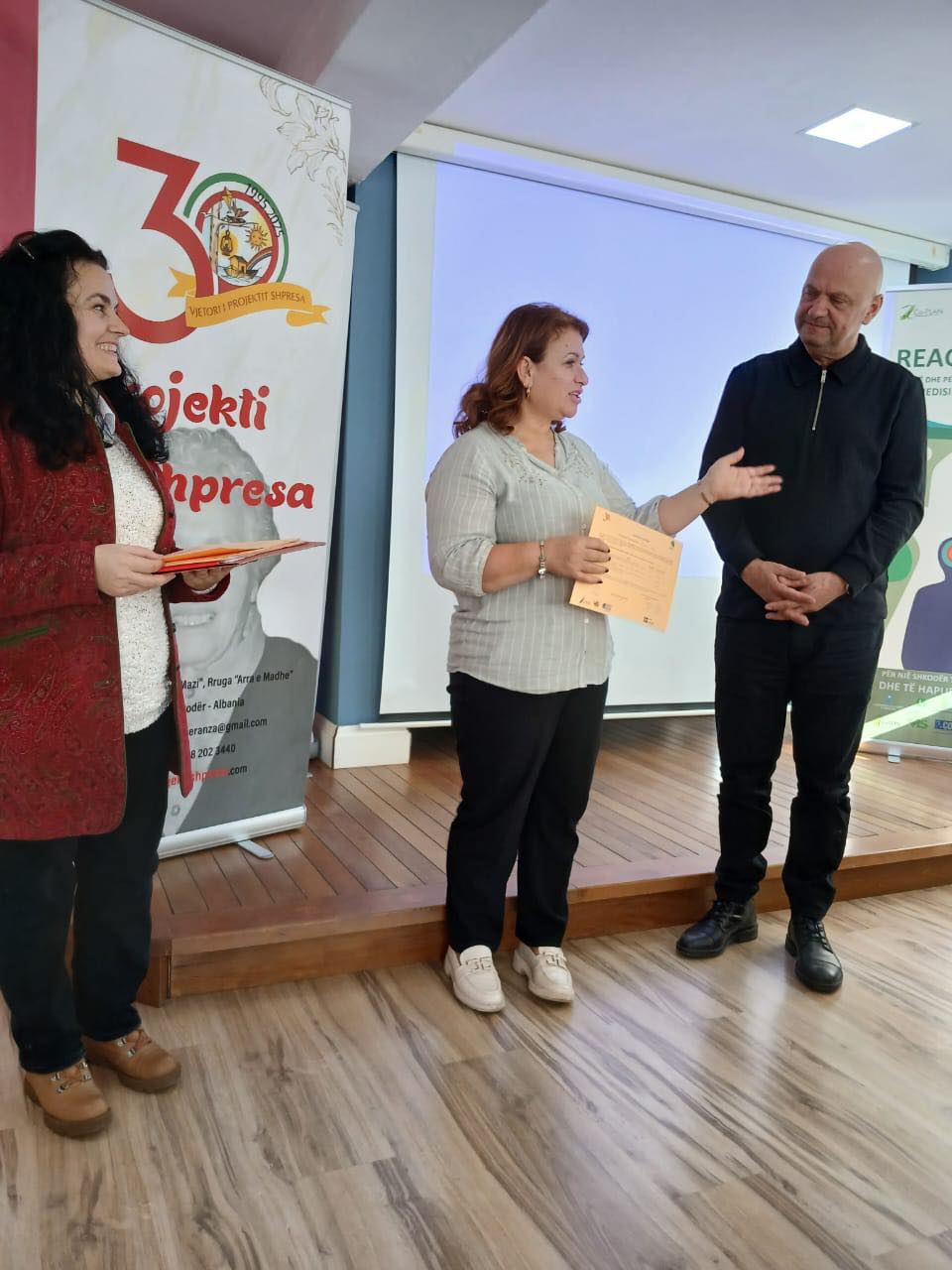
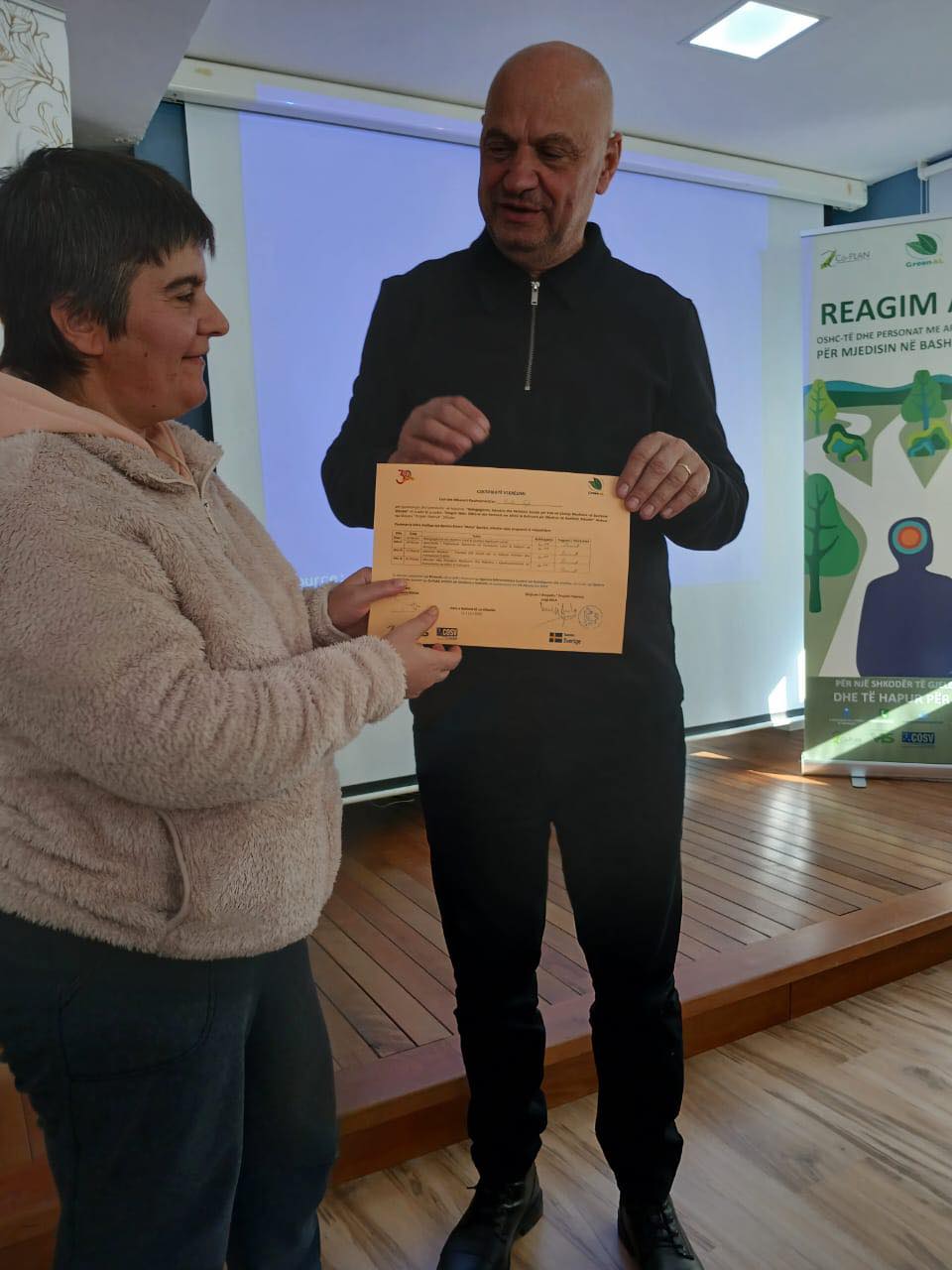
At the conclusion of the training, participants reflected on the knowledge gained and discussed future steps for community engagement. The activity wrapped up with the distribution of certificates of participation in the presence of Mr. Luigj Mila, Head of the Association, commended the participants for their commitment and acknowledged the professional contribution of the trainer, Suela Ndoja, PhD(c).
Results and impact of the training cycle
Over the course of four days, the training contributed to:
Increasing knowledge regarding local environmental issues and their impact on community well-being.
Strengthening the capacities of persons with disabilities.
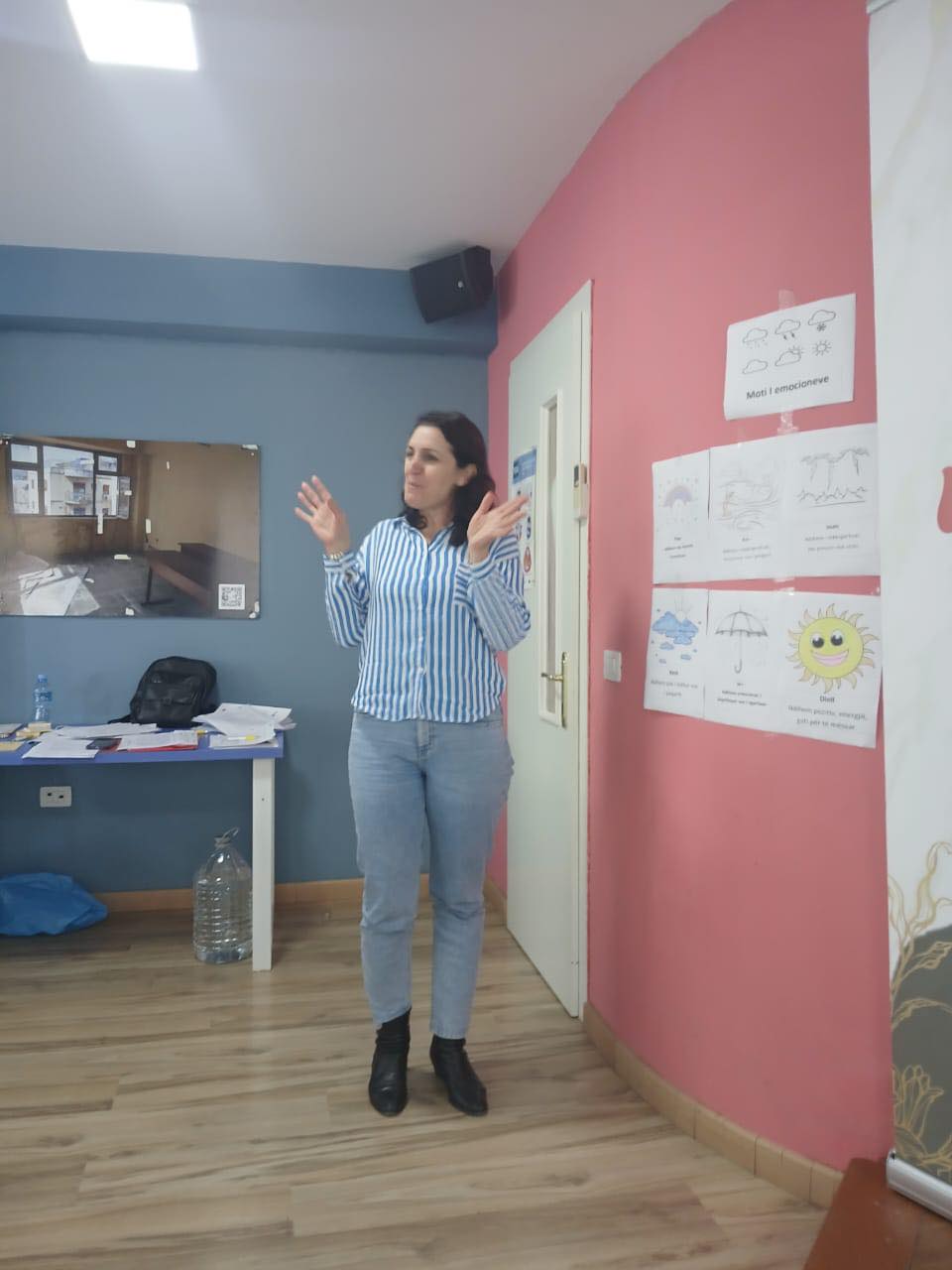
DAY 1
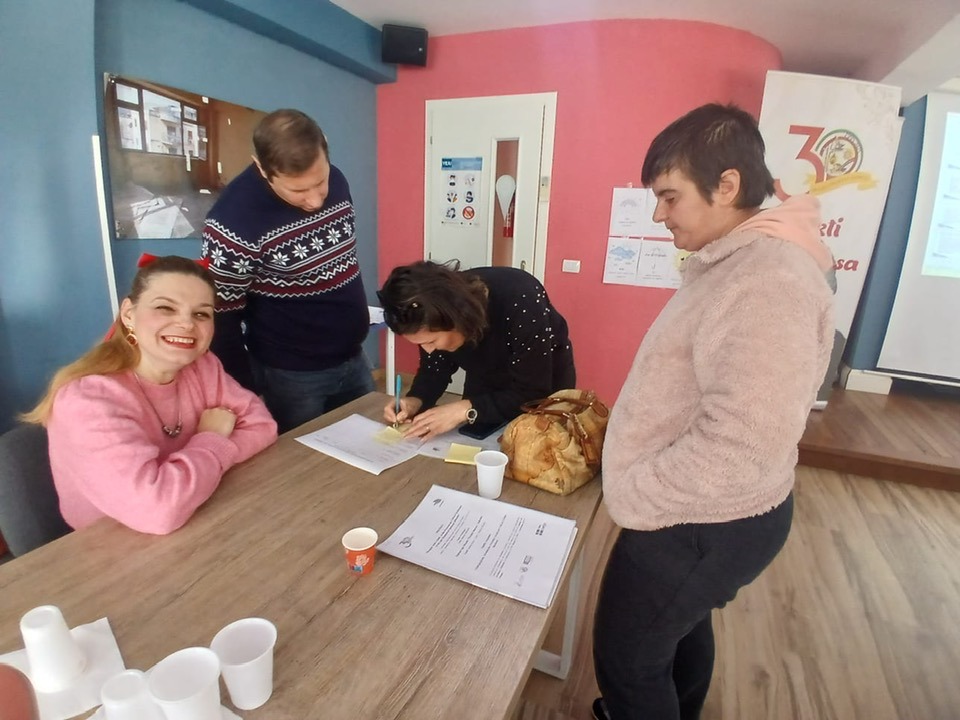
DAY 2
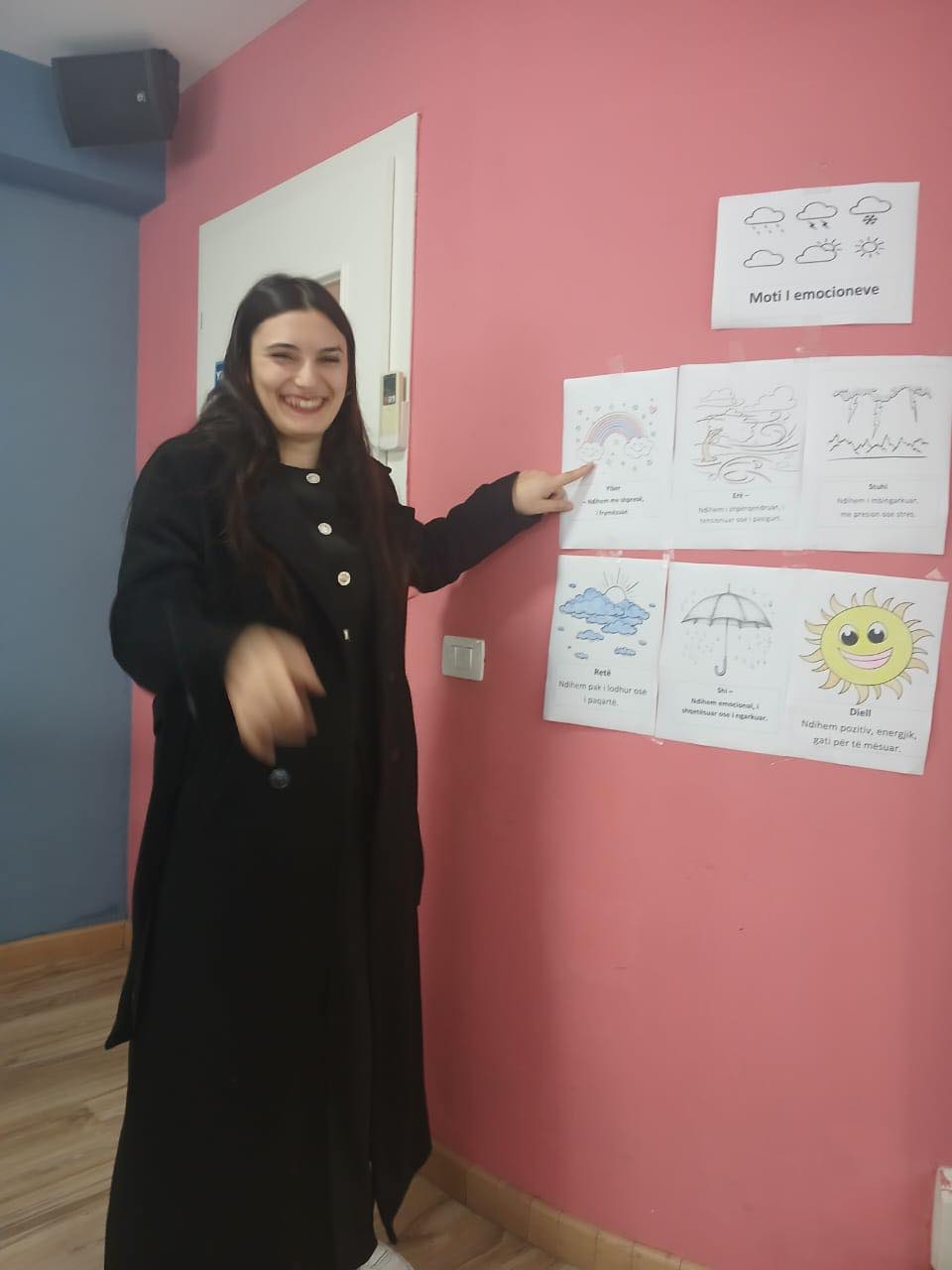
DAY 3
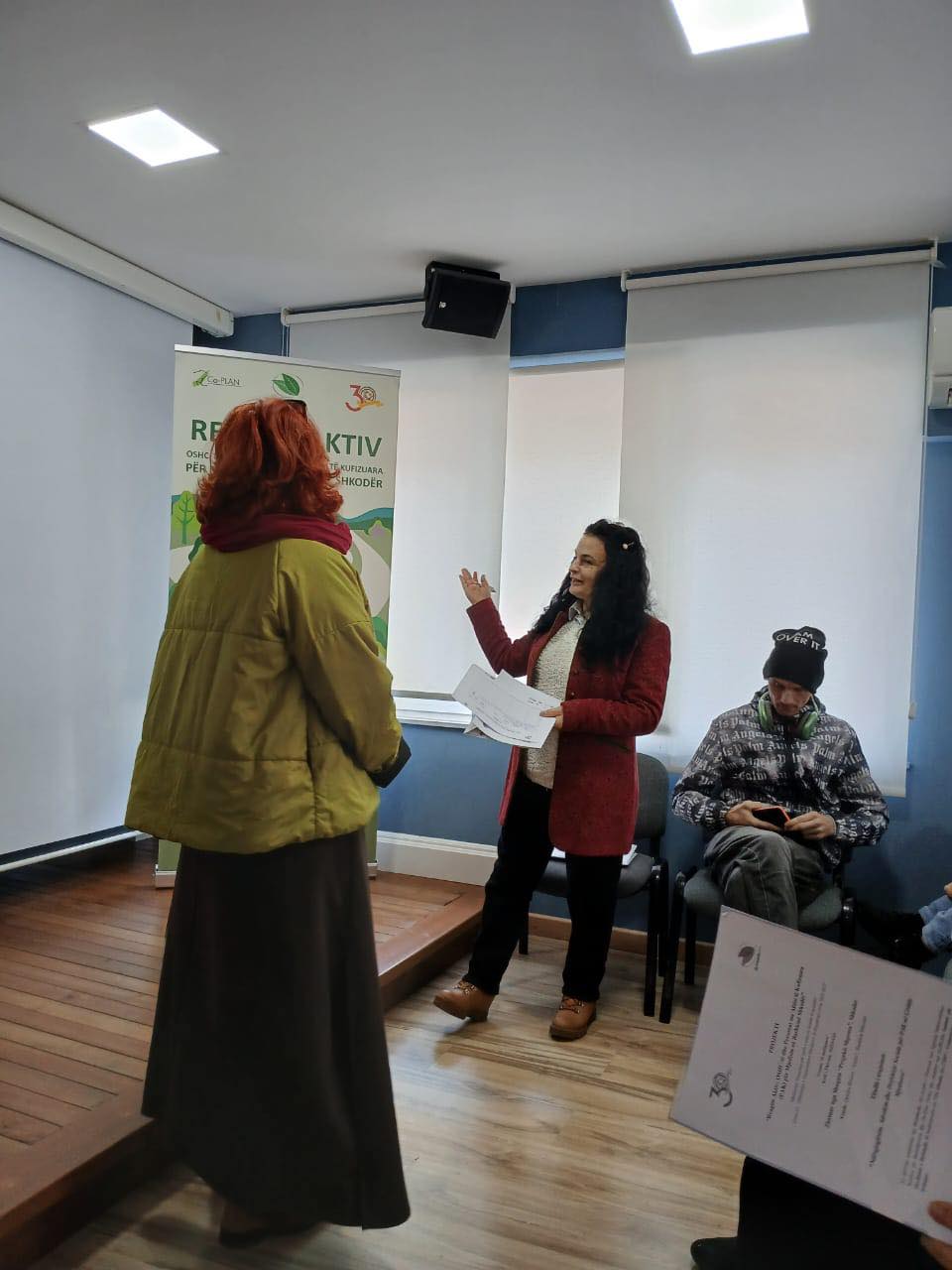
DAY 4